






Why You Need to Plan Now
The travel landscape has changed. Popular destinations, unique accommodations, and sought-after tours are booking up faster than ever. For 2026, this is especially true. The FIFA World Cup, hosted across the U.S., Mexico, and Canada, will absorb a huge
amount of travel infrastructure, driving up prices and reducing availability even for those not attending the games. Planning 18 to 24 months in advance gives you two invaluable assets: time and choice. You get first pick of accommodations and flights, often at better prices, and have ample time to save. Early planning transforms the process from a stressful scramble into an exciting, drawn-out part of the adventure itself.
18–24 Months Out: Dream and Scheme
This is the fun part: the dreaming phase. Where in the world do you want to be in 2026? A safari in Tanzania? A trek through Patagonia? A culinary tour of Japan? Now is the time for wide-open brainstorming. Research destinations, read travel blogs, and watch documentaries. As you narrow down your choices, start a rough budget. How much will flights, lodging, food, and activities cost? Use online travel calculators and browse current prices to get a ballpark figure. This is also the perfect moment to start a dedicated travel savings account. Automating a small, regular transfer makes saving feel effortless and builds a solid foundation for the expenses to come. Don't book anything yet—just build the vision and the financial runway.
12–18 Months Out: Lock in the Pillars
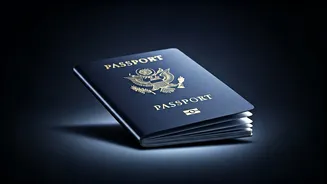
With a destination and budget in place, it's time to secure the big, immovable pieces of your trip. This is especially critical for trips centered on a specific experience that has limited capacity, such as an Antarctic cruise, a multi-day gorilla trekking permit in Rwanda, or a popular European river cruise. These can sell out more than a year in advance. If your trip coincides with a major event like the World Cup, now is the time to book accommodations, as prices will only skyrocket. This is also your moment for a crucial administrative check: your passport. Check the expiration date. With processing times often taking months, renewing now ensures you won't face a last-minute panic. If it expires anytime in 2026 or early 2027, just get it done.
9–12 Months Out: Flights and Itinerary
This is the sweet spot for booking most international flights. Airlines typically release their schedules around 330 days in advance, and this window often presents the best balance of availability and price. Set up flight alerts on platforms like Google Flights or Hopper to track prices for your preferred route and dates. Once your flights are booked, you have the firm start and end dates for your trip. Now you can build out your day-to-day itinerary. Don't over-schedule, but do book any must-do tours, high-demand restaurant reservations, or inter-city train tickets that might sell out. This is where the trip starts to feel real, transforming from a concept into a concrete plan.
Under 6 Months: The Final Details
The final stretch is about refining the details and preparing for a smooth journey. If your destination requires a visa for U.S. citizens, now is the time to apply. Research and arrange any necessary travel vaccinations or medications with your doctor. Purchase travel insurance—a non-negotiable step to protect your investment against unforeseen circumstances. Reconfirm all major bookings, arrange for pet sitters or mail holds, and notify your bank and credit card companies of your travel dates to avoid any service interruptions. Finally, make digital and physical copies of your passport, visas, flight confirmations, and hotel reservations. Store them securely in a separate place from the originals.