

The Simplest Fix: Embrace the Cachepot
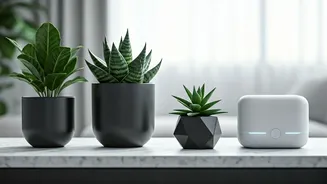
Let's start with the easiest, most immediate upgrade. A cachepot (pronounced “cash-poe”) is a decorative outer container without a drainage hole. You simply leave your plant in its plastic nursery pot and slip the whole thing inside. This one move solves
two major annoyances. First, it instantly hides the ugly, flimsy nursery pot. Second, it acts as a perfect saucer, catching any excess water that drains through after you water your plant. The trick is to take the plant to the sink, water it thoroughly, let it drain for 10-15 minutes, and then place it back in the cachepot. No more drips, no more water stains on your furniture. It’s an instant aesthetic and practical win.
Upgrade Your Watering: Self-Watering Planters
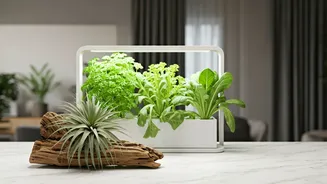
If you’re a chronic over-waterer (or under-waterer), a self-watering planter is your new best friend. These clever pots use a reservoir system to give your plant exactly the amount of water it needs, when it needs it. A wick made of cotton or synthetic material draws water up from a reservoir at the bottom of the pot into the soil. This means no more guesswork and, more importantly, no more soggy bottoms or surprise floods on your windowsill. The soil stays consistently moist but never waterlogged, which is a death sentence for many houseplants. It’s an ideal solution for thirsty plants like ferns and calatheas, or for anyone who travels frequently.
Go Soil-Free: Welcome to the World of LECA
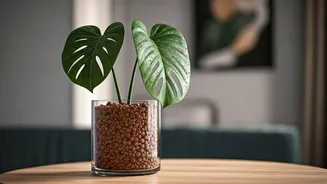
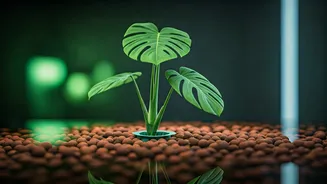
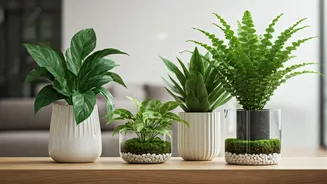
Ready to ditch soil entirely? Meet LECA, which stands for Lightweight Expanded Clay Aggregate. These are little, reddish-brown baked clay balls that look much cleaner than a pot of dirt. They are the foundation of a popular soil-free method called semi-hydroponics. Instead of sitting in soil, your plant’s roots grow around these porous clay pebbles. You fill the bottom of the pot (a glass vessel is great for this so you can see the water level) with a nutrient-water solution. The LECA wicks the moisture up to the roots as needed. The benefits are huge: no soil means no soil-borne pests like fungus gnats, it’s virtually impossible to overwater, and the pebbles are reusable forever. Transferring a plant from soil to LECA requires a little work, but the low-maintenance, mess-free result is worth it.
The Ultimate Low-Mess Setup: Passive Hydroponics
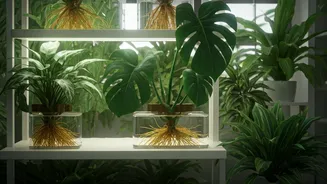
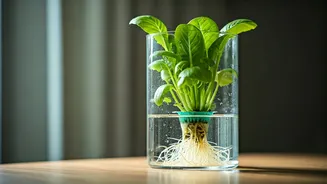
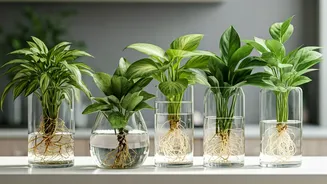
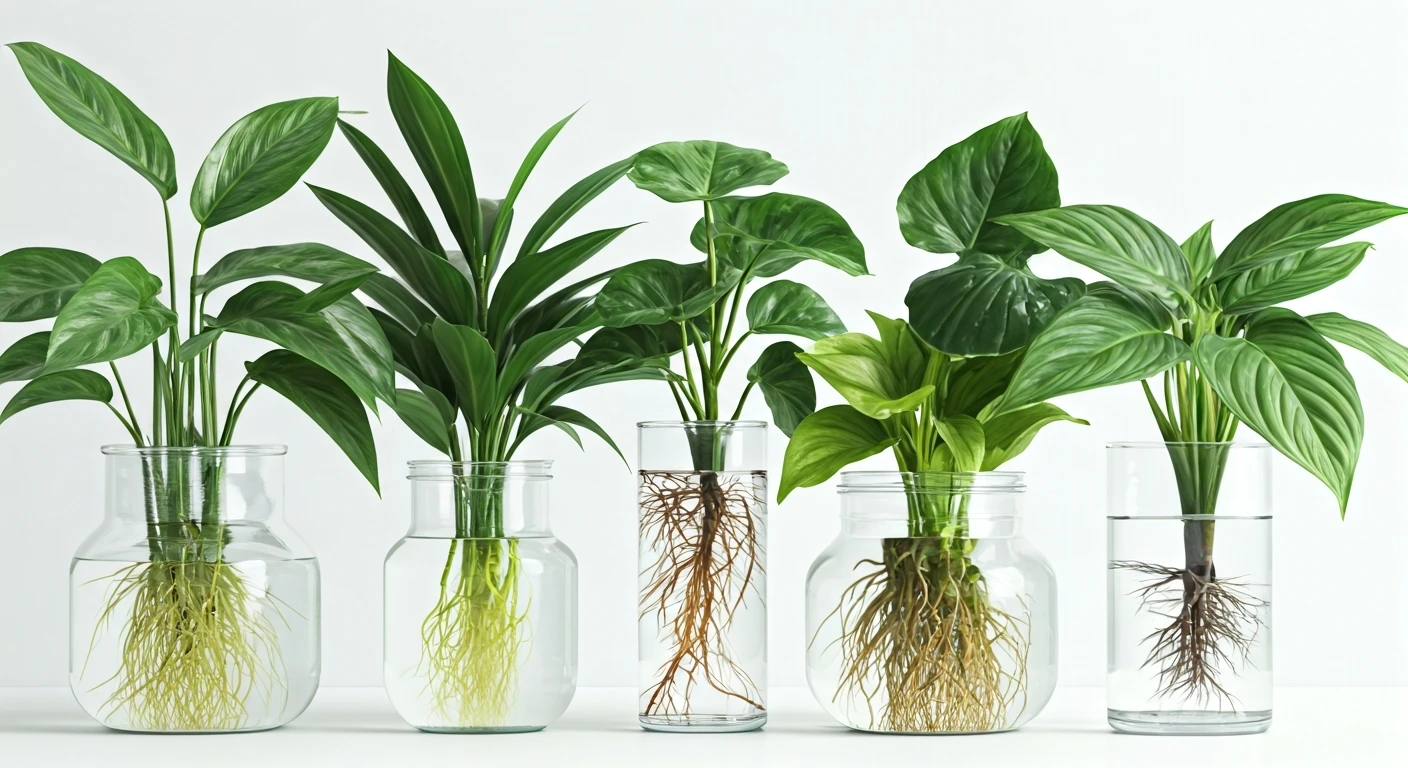
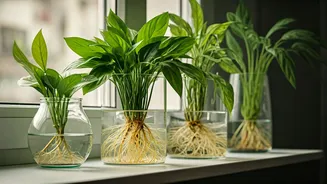
While it sounds complex, passive hydroponics is a surprisingly simple method for the truly soil-averse. Many common houseplants, like pothos, philodendron, and snake plants, can live happily with their roots directly in water. All you need is a glass vase or jar, your plant cutting or a soil-free plant, and some nutrient solution. Simply place the plant’s roots in the vessel and fill it with water, making sure to add a few drops of liquid hydroponic fertilizer every few weeks to provide the nutrients it would normally get from soil. Not only does this look incredibly chic and modern, but it completely eliminates soil, pests, and watering schedules. You just top off the water when it gets low. It’s the cleanest, most minimalist way to enjoy greenery indoors.
Contain the Repotting Chaos: Invest in a Potting Mat
Even with soil-free methods, there will come a time when you need to do some plant maintenance, like repotting or dividing. This is the moment when the “mud drama” is most likely to occur. A simple, foldable potting mat is a game-changer. These waterproof tarps, often made of canvas or oxford cloth, have snaps at the corners that allow you to create a contained tray. You can work inside your apartment or on your kitchen counter without getting a single speck of dirt on the floor. Mix your soil, un-pot your plant, and tidy up, all within the mat’s borders. When you're done, you can easily funnel the excess soil back into its bag and wipe the mat clean. It’s a small investment that saves a massive cleanup headache.