



The Scotland of India
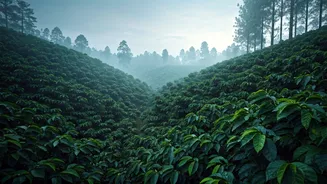
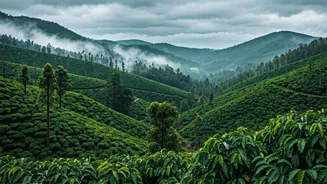
First, you need to understand Coorg. Officially known as Kodagu, this district in the southern Indian state of Karnataka has long been called “The Scotland of India.” For American travelers, a better comparison might be a blend of Northern California’s
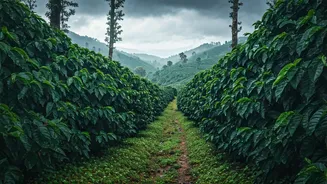
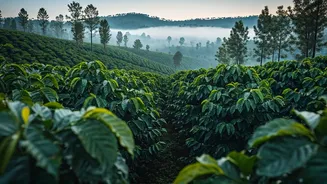
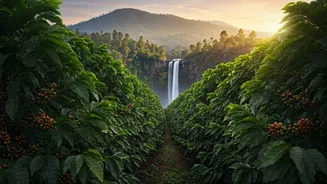
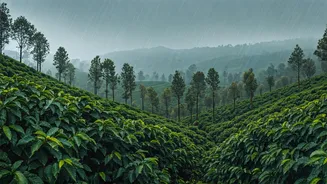
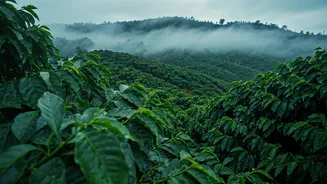
wine country and Costa Rica’s cloud forests. It’s a region of rolling emerald hills, perpetually cloaked in a soft mist, famous for its sprawling coffee and spice plantations. For most of the year, Coorg is a tranquil, almost sleepy escape. Visitors meander through fragrant estates, sip locally grown coffee, and enjoy the cool, pleasant climate. The rivers flow gently, and the waterfalls, while pretty, are just one part of a serene ensemble cast.
When the Monsoon Arrives
But from June to September, everything changes. The Indian monsoon isn’t just a bit of rain; it’s a season-long atmospheric event that fundamentally alters life and landscape. In Coorg, the skies open up, unleashing torrential downpours that drench the hills for days on end. The greens become impossibly vibrant, the smell of wet earth and petrichor hangs heavy in the air, and the entire region takes on a dramatic, almost cinematic quality. The gentle streams swell into rushing torrents. The quiet hills echo with the sound of distant thunder and the closer, more insistent roar of water. This is when the supporting players fade into the background and the season’s protagonist makes its grand entrance.
A Waterfall in Full Fury
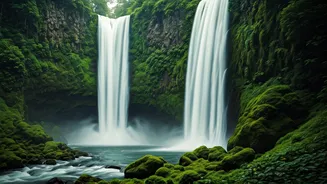
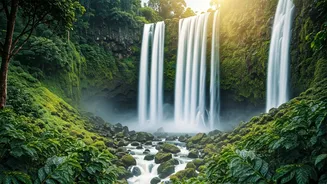
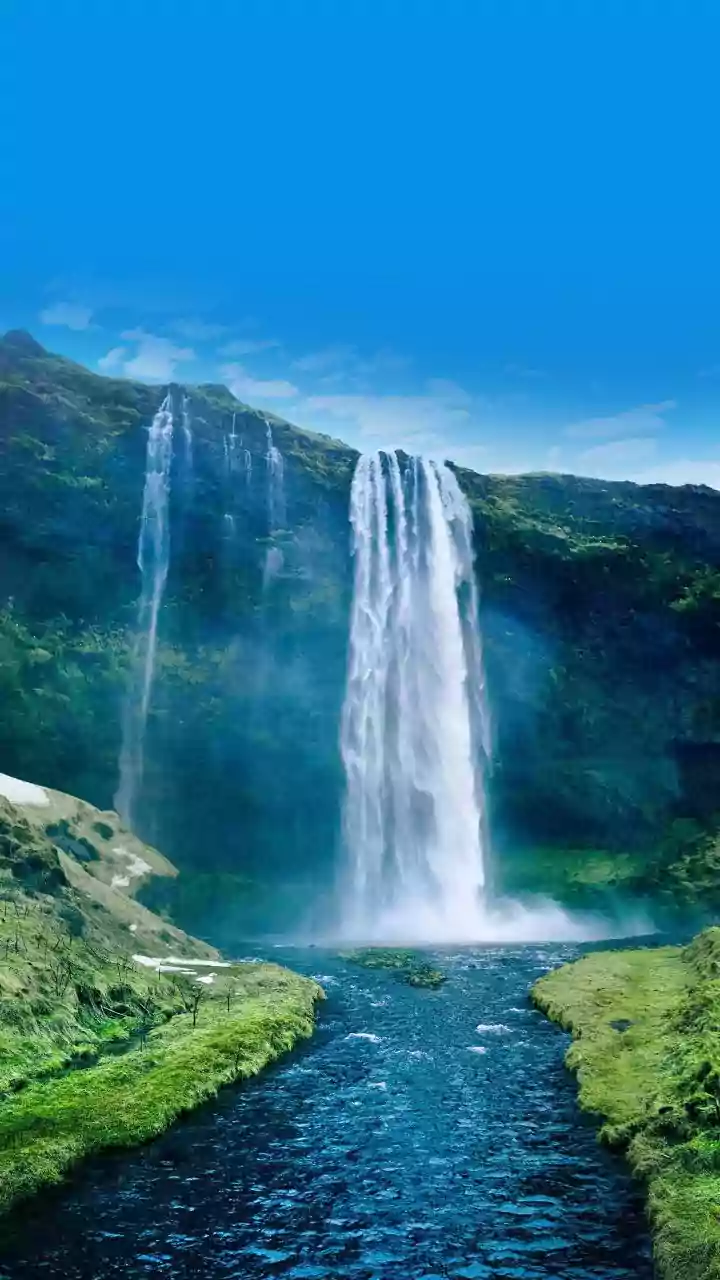
Tucked away in a private coffee estate just a few miles from the main town of Madikeri, Abbey Falls becomes unrecognizable. During the dry season, it’s a lovely, multi-tiered cascade that slips gracefully over wide rocks. But fueled by the monsoon’s deluge, it transforms into a deafening, singular force. Water from the upper reaches of the Western Ghats, gathering in the early stretches of the Kaveri River, hurtles down a 70-foot drop with breathtaking power. It’s no longer a gentle trickle but a thick, churning curtain of white water that crashes into the rocky pool below, sending a plume of mist hundreds of feet into the air. The sound is an all-consuming roar that you feel in your chest long before you see the falls. It’s not just a sight; it’s a full-body sensory experience.
The Immersive Experience
Visiting Abbey Falls during the monsoon is an adventure in itself. The short walk from the entrance takes you down a series of slippery stone steps, deeper into the lush valley. The air grows thick and cool with spray. The main viewpoint is a hanging bridge positioned directly opposite the falls, offering a panoramic, if slightly terrifying, perspective. Standing on that bridge, you are completely at the mercy of the waterfall’s aura. The mist soaks your clothes, the roar drowns out conversation, and the sheer volume of water cascading before you is both humbling and exhilarating. You’re not merely observing nature; you’re being confronted by its raw, untamable power. It’s impossible to look away, impossible to think of anything else. In that moment, Abbey Falls is the only thing that matters.