


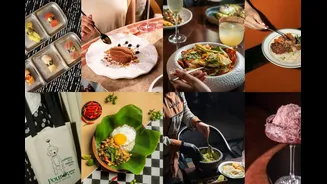

Beyond the Comforts of Curry
For decades, eating out in Mumbai often meant choosing between excellent Indian regional cuisines or a handful of legacy Chinese and continental restaurants. That landscape has been completely redrawn. Today, you're just as likely to find Mumbaikars debating
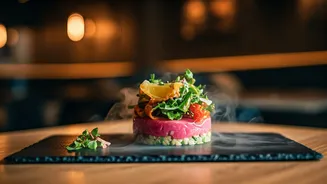
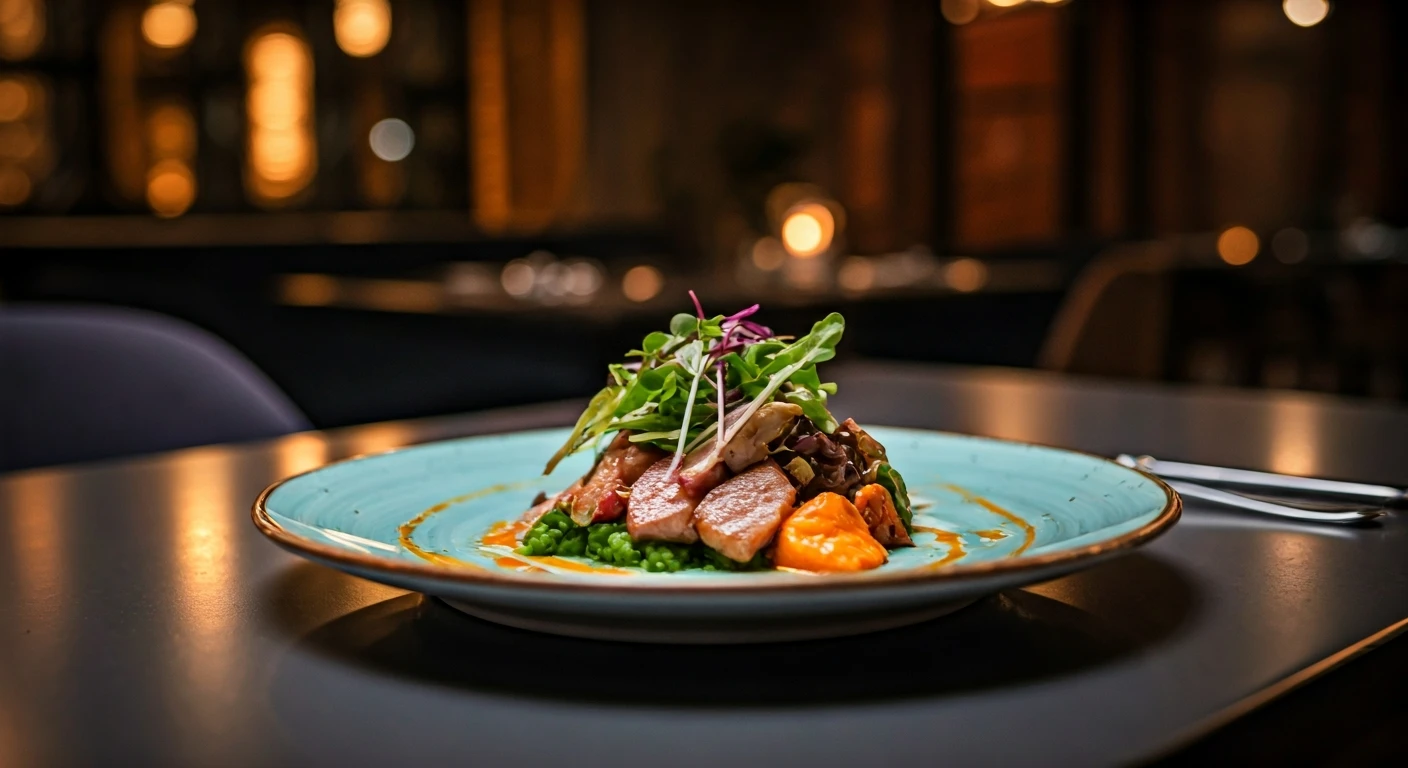
the merits of Nikkei cuisine (a Japanese-Peruvian fusion) as you are the best place for butter chicken. Neighborhoods like Bandra, Lower Parel, and Colaba are now dotted with restaurants serving authentic small-plate Spanish tapas, delicate Nordic-inspired dishes, and inventive modern European tasting menus. This isn't about slapping global labels on Indian food; it's a genuine embrace of international techniques and ingredients. Chefs, many trained in kitchens from New York to Copenhagen, are returning to Mumbai, bringing with them a global palate. They’re sourcing high-quality ingredients, from local artisanal cheeses to imported Japanese seafood, to create dining experiences that could stand up in any major world capital.
Dining Is the New Night Out
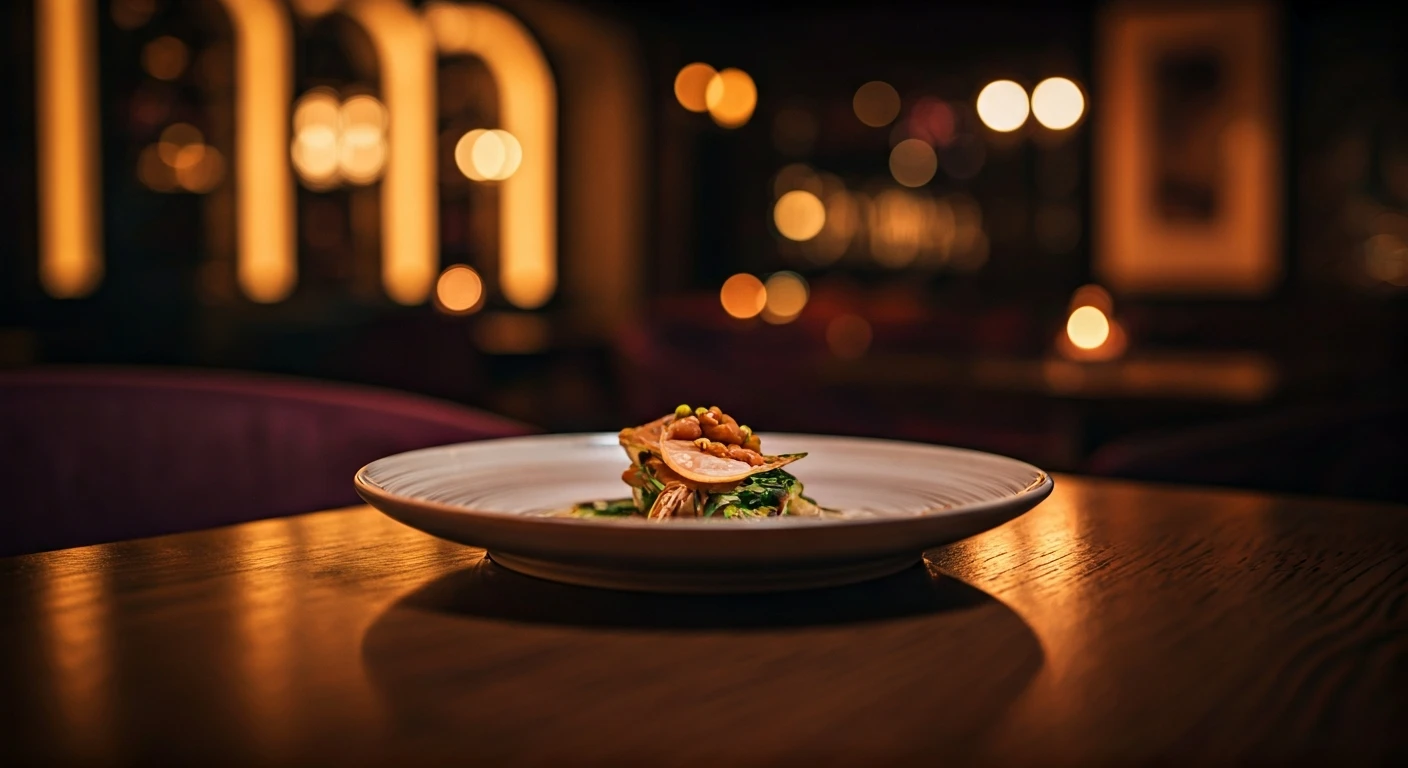
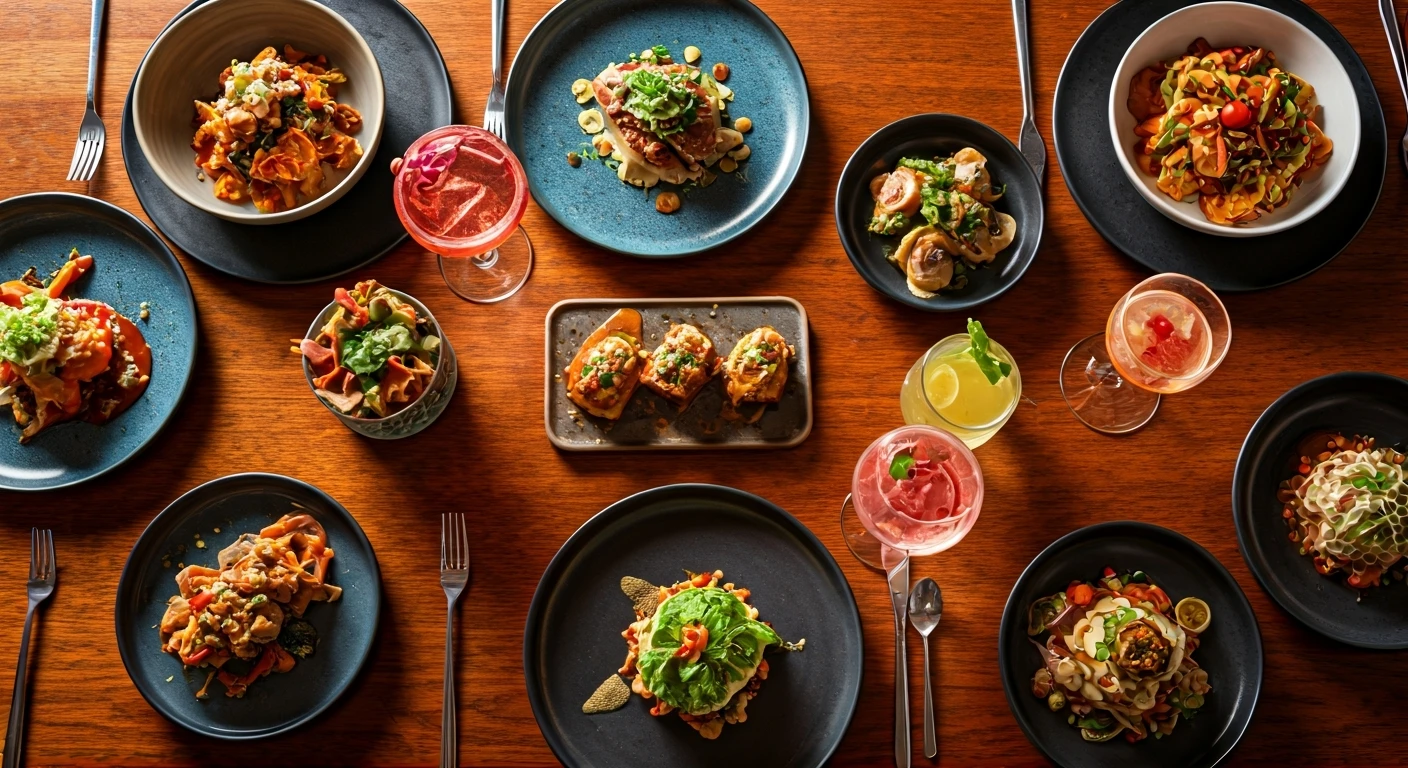
Just as important as *what* people are eating is *how* they're eating. The culture around dining has transformed from a functional activity or a formal family affair into a primary form of social entertainment. The restaurant is no longer just a prelude to the main event; it *is* the main event. This shift is reflected in restaurant design and menu structure. Communal tables encourage mingling with strangers, and menus are dominated by small, shareable plates that force interaction and conversation. The focus is on the 'vibe'—an amorphous but critical mix of music, lighting, design, and crowd energy. A meal is now an experience to be shared, photographed, and discussed. This social-first approach means restaurants are competing not just on their food, but on their ability to curate a memorable evening for a generation that values experiences over possessions.
The Supper Club Revolution
Perhaps the most telling sign of this new social wave is the explosion of supper clubs and pop-up dinners. These events offer a compelling middle ground between the formality of a restaurant and the casualness of a home-cooked meal. Typically hosted by a home cook or a professional chef in an intimate setting—like a private apartment, an art gallery, or a garden—these ticketed events offer a set menu to a small group of strangers. The appeal is multifaceted. For diners, it’s a chance to try unique, passion-driven food that might not be commercially viable for a full-scale restaurant. More importantly, it’s about community. You’re breaking bread with a dozen or so other curious food lovers, guided by a host who is sharing not just a meal, but a story. It’s a hyper-social, curated experience that feels both exclusive and deeply personal.
A Taste of Modern India
So, what's driving this culinary metamorphosis? It's a perfect storm of economic and cultural factors. India's growing economy has created a larger upper-middle class with more disposable income and a hunger for new experiences. A younger generation, more globally connected through travel and the internet than any before it, sees food as an integral part of its identity and social life. They follow international chefs on Instagram, watch global food documentaries, and demand the same level of quality and creativity at home. Social media, in turn, amplifies the trend, turning a beautifully plated dish or a well-designed restaurant into an instant viral sensation. This isn't just a food trend; it's a reflection of a new India—one that is confident, outward-looking, and eager to engage with the world on its own terms.