



1. Think Like a Butterfly: Host vs. Nectar
The single biggest mistake new butterfly gardeners make is planting only for color. Big, showy flowers provide nectar, which is vital fuel for adult butterflies. But to create a true haven, you need to provide for the entire butterfly life cycle. This
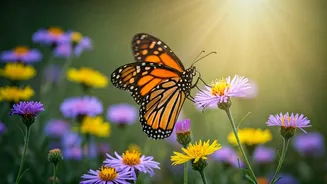
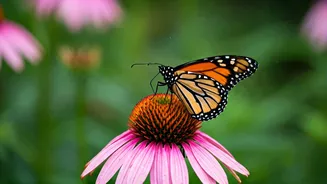
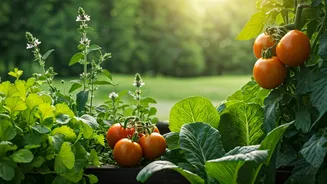
means planting host plants—the specific species that caterpillars must eat to survive. A Monarch butterfly can sip nectar from a zinnia, but its young can only survive on milkweed. A Black Swallowtail caterpillar needs plants from the carrot family, like parsley, dill, or fennel. Without host plants, you’re just a rest stop. With them, your garden becomes a nursery, ensuring generations of butterflies to come. Research the butterflies native to your region and find out which host plants they depend on; this is the key to a thriving butterfly population.
2. Go Native for Maximum Impact
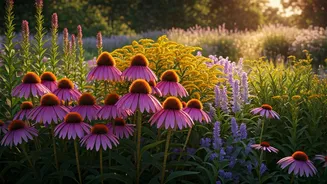
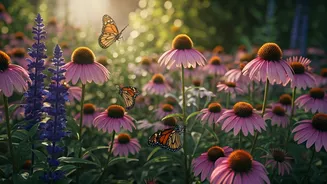
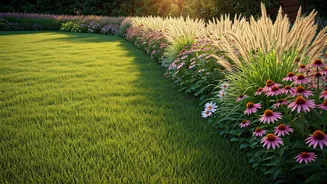
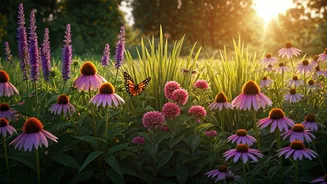
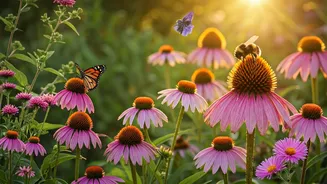
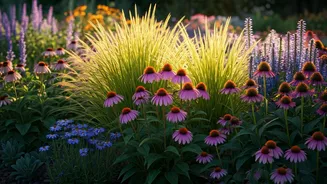
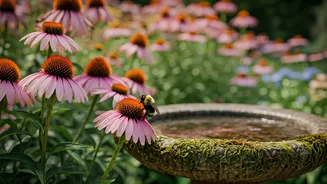
While butterflies may visit exotic flowers, native plants are the foundation of a healthy local food web. Native plants and local insects have co-evolved over thousands of years, creating a perfect partnership. Plants like coneflowers (Echinacea), bee balm (Monarda), and goldenrod (Solidago) are not only beautiful but are also perfectly suited to your climate and soil. They require less water, no fertilizer, and are more resistant to local pests and diseases. More importantly, they provide the exact type of nectar and foliage that local butterflies and other pollinators are adapted to use. The National Wildlife Federation and The Xerces Society offer excellent online resources that let you search for butterfly-friendly native plants by zip code.
3. Plant in Sunny, Sheltered Patches
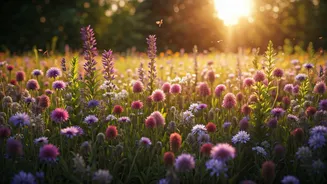
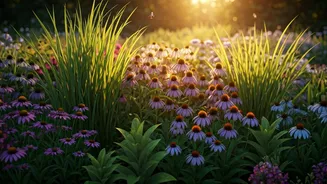
Butterflies are cold-blooded and need sunlight to warm their flight muscles. Choose a spot in your yard that gets at least six hours of direct sun per day. They also prefer to feed in areas sheltered from strong winds. Instead of dotting individual plants around your garden, plant in dense drifts or clumps of the same species. These large patches of color act as a powerful visual beacon, making it much easier for butterflies to spot a potential meal from the air. A large swath of purple coneflowers or a thick stand of milkweed is far more attractive than a single plant lost in a sea of green.
4. Add Water and a Place to Rest
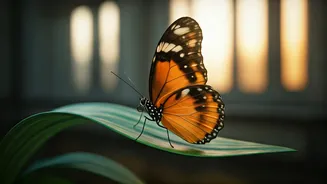
Butterflies don’t drink from birdbaths, but they do need water and minerals. They get these through a behavior called “puddling,” where they gather on damp soil or sand to sip moisture and dissolved salts. You can create a simple puddling station by filling a shallow dish or pie plate with sand or gravel, adding just enough water to keep it consistently damp but not submerged. Place it in a sunny spot on the ground. Additionally, placing a few flat, dark-colored rocks in your garden gives them a perfect spot to bask in the sun and warm up on cooler mornings, turning your garden into a full-service resort.
5. Ditch the Pesticides Completely
This is non-negotiable for a butterfly garden. Pesticides, even organic ones, are often indiscriminate. A chemical designed to kill one “pest” can be lethal to caterpillars and adult butterflies. Herbicides used to kill weeds can also eliminate crucial host plants. Accepting a few chewed leaves on your dill or milkweed is a sign of success—it means your garden is providing a home. If you have an aphid problem on your milkweed, a strong jet of water from the hose is usually enough to dislodge them. By going chemical-free, you are creating a safe space for butterflies and a host of other beneficial insects that will help keep your garden’s ecosystem in balance.