



The New Botanical Power Couple
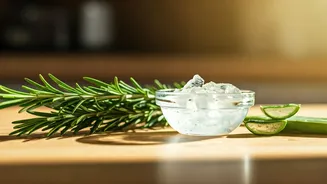
Walk through any trendy cafe, scroll through your favorite food blog, or browse the aisles of a health-conscious market, and you’ll notice a pattern. Two familiar plants are showing up in unexpected places: rosemary and aloe vera. While one is a woody,
aromatic herb synonymous with Mediterranean feasts, and the other is a succulent prized for its soothing gel, they’ve become the unlikely darlings of the modern kitchen. This isn’t a coincidence. Their rise reflects a broader shift in how we eat, where the line between wellness and flavor is blurring. Consumers are increasingly drawn to ingredients that are not only delicious but also perceived as functional and natural. Rosemary and aloe, with their deep roots in both traditional medicine and classic cuisine, are perfectly positioned to meet this moment.
Rosemary’s Modern Renaissance
Rosemary has never exactly been a wallflower. Its pine-like fragrance has perfumed roast potatoes and lamb chops for generations. But its current revival is all about versatility. Chefs and home cooks are pushing the herb far beyond its savory comfort zone. The biggest new frontier? Beverages. Rosemary-infused simple syrup has become a staple for craft cocktails and artisanal sodas, adding an herbaceous complexity that cuts through sweetness. You’ll find it lending a surprising, fragrant note to lemonades, gin and tonics, and even lattes. It’s also making a splash in baking. Finely chopped rosemary is being folded into buttery shortbread, sprinkled over focaccia with sea salt, and even used to infuse custards and ice creams. This renaissance is about treating rosemary not just as a background note for meat, but as a star player capable of elevating sweet and savory dishes alike.
Aloe Vera: From First Aid to First Course
If rosemary’s journey is a renaissance, aloe vera’s is a complete reinvention. For most Americans, aloe is the go-to remedy for a bad sunburn, a staple of the medicine cabinet. The idea of eating it can seem strange, if not outright wrong. Yet, its popularity is surging, driven largely by the wellness and smoothie crowd. In many cultures, particularly in Latin America and Asia, consuming aloe is nothing new. It’s prized for its hydrating properties and subtle, clean taste, often described as a slightly more vegetal cucumber. Today, you’ll find cubes of its translucent gel floating in trendy health drinks, blended into green smoothies for texture and a nutrient boost, or even featured in light, refreshing salads. Its journey from a topical remedy to an edible ingredient is a testament to the global pantry’s influence on the American plate and our growing curiosity about foods that claim to make us feel as good as they taste.
A Critical Warning on Aloe Safety
Before you grab the aloe plant from your windowsill and start chopping, stop. This is the single most important thing to know: not all aloe is created equal, and improper preparation can be dangerous. The only part of the plant that is widely considered safe for consumption is the clear, inner gel of the *Aloe barbadensis Miller* species. The outer green leaf and the yellow liquid found just beneath the rind, known as aloe latex, contain compounds called anthraquinones. These are powerful laxatives and can cause severe stomach cramps and other health issues if ingested. When preparing fresh aloe, you must carefully filet the leaf to isolate the clear gel, rinsing it thoroughly to remove any yellow residue. For most people, the safest and easiest route is to purchase food-grade aloe vera juice or prepared gel chunks from reputable retailers. These products have been processed to remove the latex, making them safe for your smoothies and recipes.
How to Join the Trend at Home
Curious to experiment? Starting is simple. For rosemary, try making a simple syrup: gently heat equal parts sugar and water with a few fresh sprigs until the sugar dissolves, then let it steep off the heat for 30 minutes before straining. Use it to sweeten iced tea or a weekend cocktail. For a savory twist, toss fresh rosemary sprigs with olive oil and your favorite nuts before roasting for an addictive snack. For aloe, start with a high-quality, store-bought aloe vera juice. Add a splash to your morning smoothie or mix it with sparkling water and a squeeze of lime for a refreshing, hydrating drink. These small additions are an easy way to explore the flavors that are capturing the attention of the food world, bringing a touch of the botanical trend into your own kitchen.