




Goa’s Quieter Cousin
For decades, the go-to destination for a sun-drenched Indian beach vacation has been Goa. But just to its north, along the same stunning Konkan Coast in the state of Maharashtra, lies the district of Sindhudurg—a region that feels like a throwback to a simpler
time. Stretching for about 75 miles, this coastline is often referred to as Goa’s quieter, more introverted cousin. It lacks the sprawling resorts and relentless nightlife of its famous neighbor, and for a growing number of travelers, that’s precisely the point. Here, the experience isn't about finding the party; it’s about finding peace. The vibe is less about commercial tourism and more about connecting with a pristine natural landscape and the unhurried local culture that defines it.
A Coastline of Unspoiled Beaches
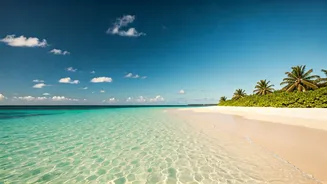
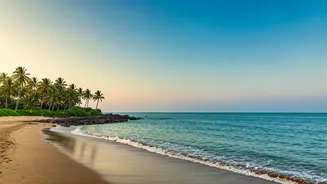
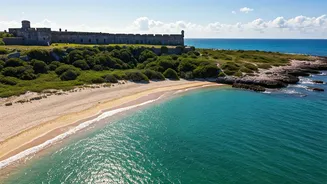
The heart of Sindhudurg’s appeal is its string of immaculate beaches, each with its own distinct personality. Tarkarli Beach is perhaps the best-known, famed for its powdery white sand and unusually clear water, which has made it a hub for snorkeling and scuba diving. A short boat ride away is Devbagh, a sliver of land where the Karli River meets the Arabian Sea, creating a tranquil estuary perfect for bird-watching and quiet contemplation. Further along the coast, Vengurla Beach is backed by dense groves of coconut, cashew, and mango trees, offering a lush, green backdrop to its golden sands. Unlike more developed beach destinations, you won't find rows of identical sun loungers or aggressive vendors here. Instead, you'll find local fishermen mending their nets, kids playing in the surf, and miles of open sand to call your own.
More Than Just Sand and Surf
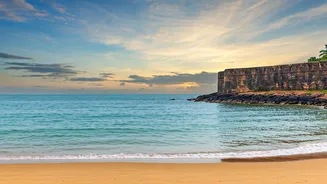
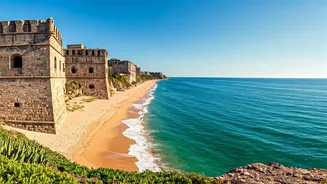
While the beaches are the main draw, Sindhudurg offers a depth of experience that extends beyond its coastline. The region is steeped in history, most notably embodied by the formidable Sindhudurg Fort. Built in the 17th century on a rocky island just off the coast of Malvan, this sea fortress is an architectural marvel. Exploring its resilient walls and hidden passages offers a glimpse into the area’s storied past as a maritime stronghold. The clear waters that made Tarkarli famous also support India's first integrated scuba diving center, providing a rare opportunity to explore the underwater marine life of the Arabian Sea. For a truly local experience, many visitors opt for homestays, where families open their homes and offer a genuine taste of coastal hospitality that you simply can't find in a hotel.
A Taste of Malvani Culture
A trip to Sindhudurg is incomplete without indulging in the local Malvani cuisine. This distinct culinary tradition is a seafood lover’s paradise, characterized by its generous use of fresh coconut, tangy kokum (a local sour fruit), and a complex blend of spices. A typical Malvani thali, or platter, might include a fiery fish curry, fried prawns, rice, and solkadhi—a refreshing, bright pink digestive drink made from coconut milk and kokum. The food is a direct reflection of the land and sea: fresh, flavorful, and unapologetically local. Dining here isn’t about fine-dining restaurants; it’s about savoring a home-cooked meal at a small, family-run eatery or your homestay, where the recipes have been passed down for generations.
When to Go (and What 'Summer' Means)
While the headline mentions summer, it’s important to understand the seasons in this part of India. The ideal time for a beach-focused trip is during the cooler, drier winter months, from October to February, when temperatures are pleasant and the skies are clear. The local "summer" runs from March to May, bringing significant heat and humidity before the monsoon season arrives. For American travelers planning a trip during their own summer (June through August), be aware that this is the peak of the monsoon. Heavy rains and rough seas make it an unsuitable time for a beach vacation. The real 'selling point' of Sindhudurg is its warm-weather tranquility, best experienced when the climate is at its most welcoming.