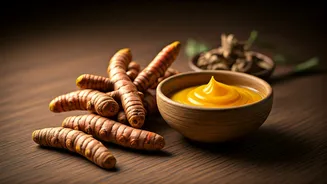




Turmeric (Haldi)
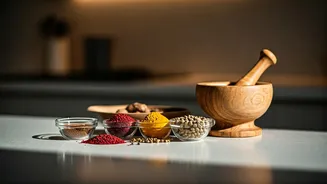
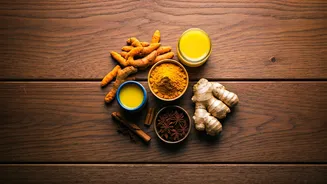
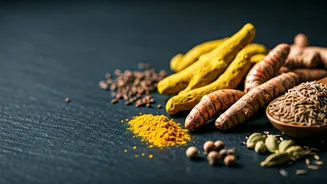
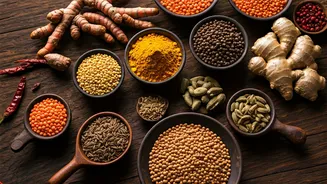
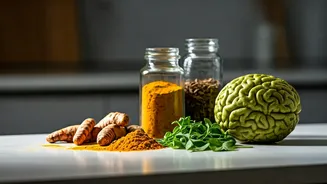
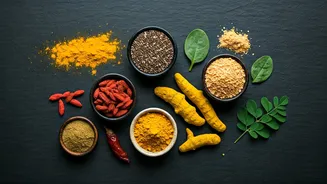
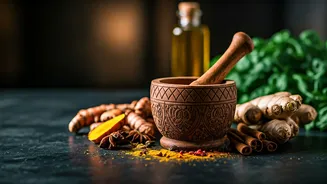
You've seen it in golden lattes and curry powders, but turmeric's role in Indian wellness goes far beyond color and flavor. Known as haldi, this vibrant yellow root is a cornerstone of Ayurveda, India’s ancient system of medicine. It's traditionally celebrated
for its powerful anti-inflammatory and antioxidant properties, primarily thanks to its active compound, curcumin. In India, it’s not just a spice but a daily ritual. A pinch is added to dals (lentil stews), vegetables, and warm milk (haldi doodh) as a comforting, immune-supporting drink. It's considered a cleansing agent for the body, used for everything from supporting digestion to promoting radiant skin. For an easy start, try adding a quarter teaspoon to your morning smoothie or a pot of rice as it cooks.
Ghee (Clarified Butter)
While butter got a bad rap in Western diets for decades, its purified form, ghee, has always been liquid gold in India. Ghee is made by simmering butter to remove the milk solids and water, leaving behind a pure, lactose-free fat with a high smoke point and a rich, nutty flavor. In Ayurveda, ghee is considered a sattvic food, meaning it promotes positivity, growth, and consciousness. It’s believed to aid digestion, lubricate joints, and act as a carrier for herbs and nutrients, helping the body absorb them more effectively. Far from being feared, it's used as a primary cooking fat, drizzled over flatbreads and rice, and even stirred into coffee for sustained energy. Swapping your usual cooking oil for high-quality, grass-fed ghee is a simple way to incorporate this nourishing fat into your diet.
Ashwagandha
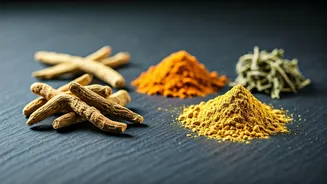
If you're feeling stressed, you've likely heard this name whispered in wellness circles. Ashwagandha is one of the most important herbs in Ayurveda and is a premier adaptogen, a class of herbs believed to help the body resist and adapt to physical and mental stress. Its name translates from Sanskrit to "smell of the horse," referring to both its unique scent and its traditional use for imparting strength and vitality. It's often prescribed to calm anxiety, improve sleep, and combat fatigue by helping to regulate the stress hormone cortisol. While traditionally consumed as a fine powder mixed with warm milk or honey, it’s now widely available in the U.S. as a capsule or tincture, making it easy to add to your daily routine as a buffer against modern life's pressures.
Amla (Indian Gooseberry)
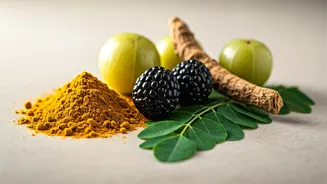
Forget oranges; in India, the go-to for a vitamin C boost is amla. This small, tart green fruit is one of the most potent known sources of the vitamin, containing about 20 times the amount found in an orange. In Indian wellness traditions, it's revered as a powerful rejuvenating tonic (rasayana) that supports everything from immunity and digestion to hair and skin health. Its antioxidant power is believed to protect cells from oxidative damage, a key factor in aging. Amla is incredibly versatile. It can be eaten raw (if you can handle the sourness), pickled, made into a sweet preserve called murabba, or consumed as a juice or powder. Amla powder is easy to find online or in Indian grocery stores and can be blended into smoothies for a convenient antioxidant kick.
Lentils (Dal)
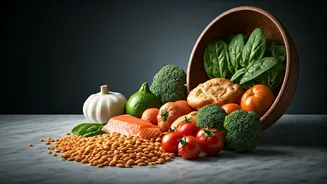
This might seem less exotic, but no list of Indian wellness foods is complete without dal. Lentils, beans, and split peas are the backbone of the Indian diet, providing an essential, affordable source of plant-based protein, fiber, and complex carbohydrates. A bowl of dal is the ultimate comfort food, but it's also a nutritional powerhouse. The combination of dal and rice or roti (flatbread) creates a complete protein, providing all the essential amino acids. Different lentils are used for different purposes—light and easy-to-digest moong dal is often given to those recovering from illness, while heartier dals form the basis of everyday family meals. Simply incorporating a lentil soup into your weekly meal plan is a direct nod to this foundational wellness practice.