





From Aesthetics to Capability
For decades, the mainstream fitness narrative, especially for women, was dominated by one goal: getting smaller. Cardio was king, calories were the enemy, and exercise was often framed as a punishment for eating. The rise of lifting represents a powerful
counter-narrative. The conversation has shifted from “How much weight can I lose?” to “How much weight can I lift?” This isn't just semantics; it's a philosophical revolution. Lifting prioritizes capability over simple aesthetics. The goal becomes what your body can *do*—deadlift double your bodyweight, master a pull-up, or simply carry all the groceries in one trip without struggling. This focus on performance provides tangible, measurable progress that has nothing to do with the number on a scale. It reframes the body as an instrument of power and action, not just an object to be viewed and judged. The empowerment that comes from feeling physically strong translates directly into a sense of mental fortitude.
The Ultimate Mental Health Hack
While the physical benefits of strength training are well-documented—stronger bones, improved metabolism, better posture—many of its newest disciples are there for what it does between their ears. In an age of chronic anxiety and digital burnout, the gym has become a sanctuary, and lifting a form of active meditation.
There's a unique mental clarity that comes from focusing on a heavy, complex lift. For that one minute, all external stressors fade away. There is only you, the bar, and the physical challenge in front of you. Research backs this up, showing resistance training can be as effective as therapy or medication for managing symptoms of depression and anxiety. Each completed rep is a small victory, a deposit in your self-efficacy bank. This consistent, incremental proof of your own resilience is a powerful antidote to the feeling of helplessness that can permeate modern life.
Smashing the 'Bulky' Myth
Perhaps the most significant driver of lifting’s popularity is the mass rejection of an old, tired myth: that women who lift weights will become “bulky.” For years, this fear kept countless women confined to the treadmill and the pink 3-pound dumbbells. Now, a new generation is proudly showcasing strong backs, defined shoulders, and powerful legs as the new standard of a healthy, athletic physique.
Influencers and everyday athletes on platforms like TikTok and Instagram have been instrumental in this shift. They’ve demystified the weight room, offered guidance on proper form, and, most importantly, normalized the image of a strong woman. Seeing someone who looks like you confidently taking up space in the squat rack is a powerful invitation. Lifting has become a feminist act—a way to build not just physical strength, but the confidence to be unapologetically powerful in a world that has often asked women to be less.
Finding Your People (and Your Form)
The stereotype of the lone, grunting bodybuilder in a dingy gym corner is fading fast. Today’s lifting culture is deeply communal, both online and off. Social media has created a global network where beginners can find tutorials, share progress, and get encouragement. This digital community has lowered the barrier to entry, making a once-intimidating space feel more accessible.
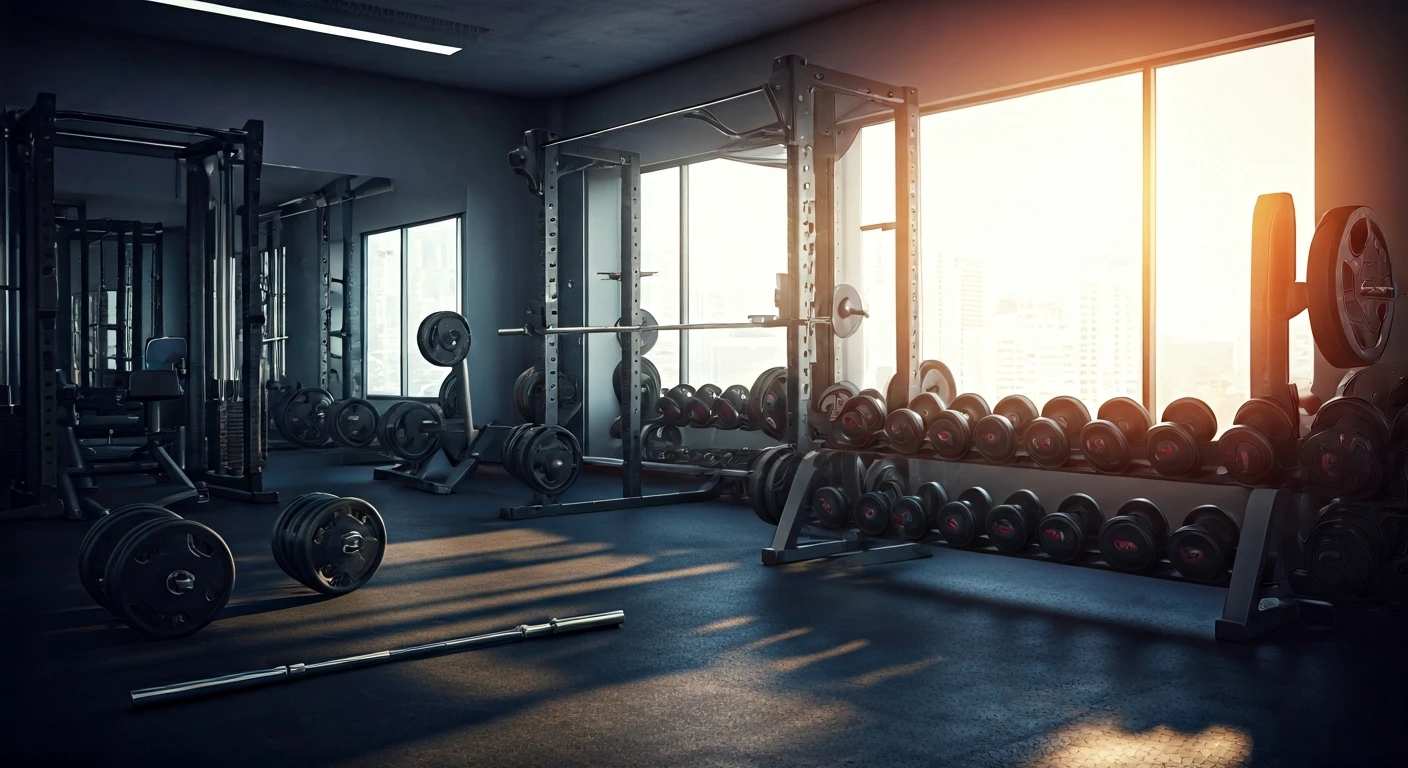
This sense of community extends into the physical gym. Whether it’s a CrossFit box, a powerlifting gym, or just the free-weight section at a commercial fitness center, people are finding camaraderie in the shared pursuit of strength. Unlike running on a treadmill with headphones in, lifting often involves shared equipment, spotters, and non-verbal encouragement. You're all there for the same reason: to get a little bit stronger than you were yesterday. This shared purpose forges bonds and turns a solitary workout into a collective experience.