


Why Trimming Is Kindness, Not Cruelty
For many plant parents, the idea of taking scissors to their leafy friends feels wrong. We work so hard to help them grow, so cutting them back seems counterintuitive. But think of it less as an amputation and more as a conversation with your plant. Pruning
is one of the most effective ways to guide a plant's growth and improve its overall health. When you snip a stem, you're not just removing length; you're sending a signal to the plant to redirect its energy. Instead of pouring resources into a few long, leggy stems, the plant will often activate dormant buds lower down, resulting in a fuller, bushier, and more robust shape. Trimming also improves air circulation around the leaves, which can help prevent common fungal issues and pests. It’s a proactive step that transforms you from a passive observer into an active partner in your plant’s well-being.
The Golden Rule: Timing Is Everything
The single biggest question is *when* to prune. While you can almost always remove dead or yellowing leaves on sight, major trims are best timed to the plant’s natural growth cycle. For most houseplants and many garden plants across the U.S., the best time for a significant haircut is in the late winter or early spring, just before the main growing season kicks off. This timing allows the plant to use its burst of spring energy to heal the cuts and push out lush new growth. The second-best time is typically in the fall, as growth slows, to reshape the plant before its winter dormancy. A key exception is for flowering plants like lilacs or forsythia; they should be pruned right after they finish blooming. If you prune them in early spring, you’ll be cutting off the buds that produce that year's flowers. A good rule of thumb: if it flowers in spring, prune it in summer. If it flowers in summer, prune it the following spring.
Gather Your Simple Toolkit
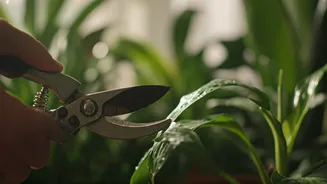
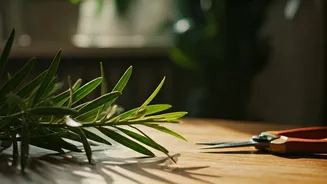
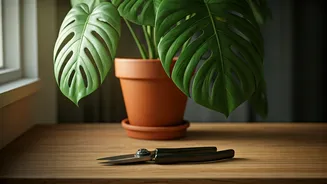
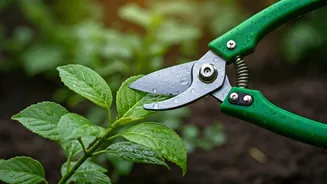
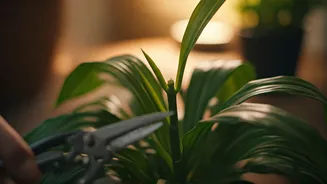
You don’t need a complex arsenal of tools. For most indoor plants and small-scale garden jobs, a sharp, clean pair of bypass pruners or even a sturdy pair of kitchen scissors will do the trick. The key words here are 'sharp' and 'clean.' A dull blade will crush plant stems rather than slicing them, creating a ragged wound that’s slow to heal and vulnerable to disease. Always wipe your blades with a bit of rubbing alcohol before you start and between plants. This simple step is crucial for preventing the spread of bacteria, fungi, and pests from one plant to another. It takes ten seconds and can save your plants from a host of preventable problems.
Mastering the Three Basic Cuts
Once you have your clean shears, most pruning comes down to three basic techniques:
1. The Pinch: This is for young, soft growth. Simply use your thumb and forefinger to pinch off the tiny, tender tip of a stem. This is perfect for herbs like basil and vining plants like pothos to encourage them to branch out and become denser rather than longer.
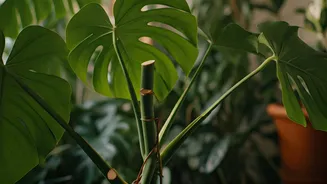
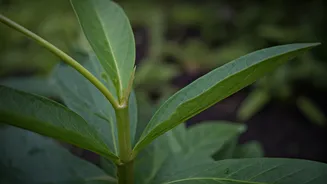
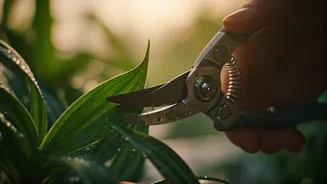
2. The Shaping Trim: This is your standard haircut for managing size and shape. To do it correctly, locate a leaf node—the small bump on the stem where a leaf grows or once grew. Make your cut about a quarter-inch above an outward-facing node. This encourages the new growth to sprout out and away from the center of the plant, promoting a more open and attractive form.
3. The Hard Reset: This is for a leggy, overgrown, or struggling plant that needs a major intervention. While it can feel drastic, cutting a plant back by as much as one-third or even one-half can rejuvenate it. Focus on removing weak, spindly stems and crossing branches. This technique is best done in early spring, giving the plant a full season to recover and regrow with a stronger, more compact structure.