



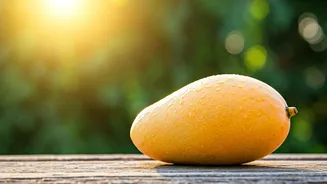


The Arrival of Mango Mania
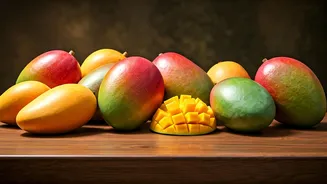
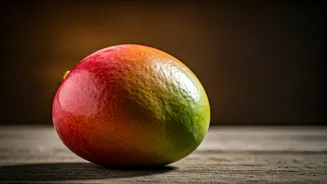
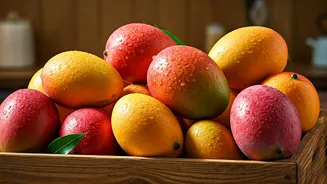
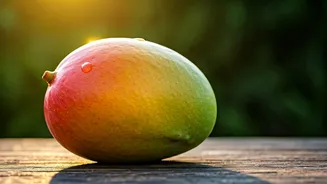
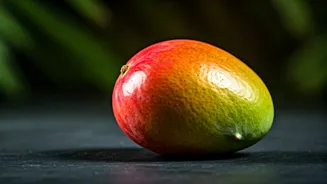
Sometime in late spring, a shift happens in grocery stores across the country, particularly in neighborhoods with vibrant South Asian, Southeast Asian, and Latin American communities. Pallets of green and yellow Tommy Atkins mangoes, the year-round workhorses,
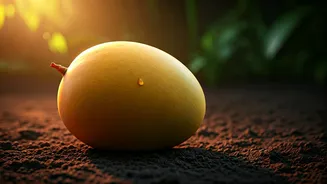
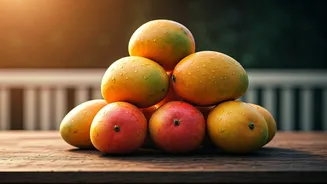
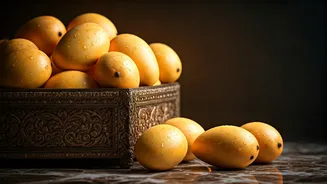
are suddenly pushed aside for fragrant, golden-hued newcomers. Cases of Ataulfos from Mexico, and later, the almost mythical Alphonso or Kesar varieties air-freighted from India, appear in pyramids that seem to shrink by the hour. This is the start of what many affectionately call “mango mania.” It’s a period of collective joy, a frantic, shared excitement that feels less like grocery shopping and more like the lead-up to a major holiday. Phone calls are made, texts are sent—"The mangoes are here!"—and the annual ritual begins.
A Direct Line to Home
For many first- and second-generation immigrants, a mango is not just a fruit; it’s a time machine. The specific flavor profile of a variety grown in their home country can instantly transport them back to childhood summers, to afternoons spent under a tree, juice dripping down their chins. For someone from India or Pakistan, biting into a sweet, non-fibrous Alphonso or Chaunsa isn't just a culinary experience; it's a sensory link to family, memory, and place. For those from the Philippines, the honeyed sweetness of the Manila mango is the taste of home. In the U.S., where distance and time can dull cultural connections, the annual mango season provides a powerful, edible link to one's heritage. It's a way to share a piece of that history with children who may have never visited their parents' homeland, passing down culture one slice at a time.
The Ritual of the Hunt
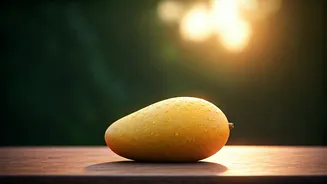
Part of what gives the season its festival-like atmosphere is the communal effort involved. Acquiring the best mangoes is rarely a passive act of adding them to a cart. It’s a hunt. It involves knowing which specialty grocer gets the first shipment, understanding how to check for the perfect ripeness—a slight give, a fragrant bloom at the stem—and, most importantly, buying in bulk. No one who truly celebrates mango season buys just one or two. They buy a case, or several. These boxes become a form of social currency. A portion is for your own family, but the rest is destined for friends, neighbors, and coworkers. The act of giving a half-dozen perfect mangoes is a gesture of profound friendship and community care, a way of sharing the bounty and the joy.
A Reason to Gather
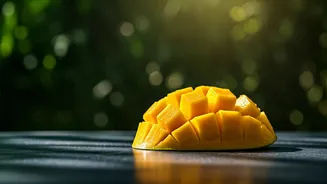
Once the mangoes are secured, they become the centerpiece of social life. The season is an excuse to gather. Families will get together for the simple, messy ritual of peeling and slicing an entire case, eating them over the sink or on a backyard patio to contain the sticky, glorious mess. Friends host impromptu “mango parties,” where the fruit is the star of the show, served plain or transformed into lassis, ice creams, and salads. This shared consumption is a binding agent. In a fast-paced American culture that often prioritizes individualism, the mango forces a pause. It encourages a collective, slightly hedonistic moment of indulgence, strengthening social bonds over a shared, fleeting pleasure.
An Unofficial, Delicious Holiday
There are no federal days off for mango season. There are no parades or official proclamations. Yet, for those who participate, it has all the hallmarks of a true festival: a limited-time window, special and coveted goods, cherished rituals, and a focus on community gathering. It’s a decentralized, grassroots celebration that connects households from Houston to Chicago to Edison, New Jersey. The excitement is organic, born from a collective longing for a specific taste and the memories it holds. It’s a reminder that culture isn’t just found in museums or history books; sometimes, it’s found in a cardboard box, smelling sweetly of sunshine and home.