




The Magic of Monsoon-Adapted Gardening
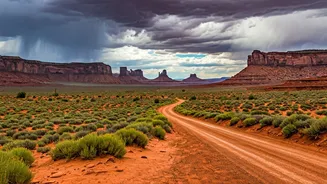
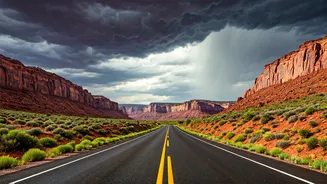
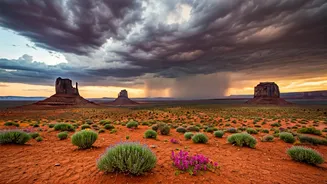
The term “monsoon” might bring to mind the dramatic rainy seasons of South Asia, but the U.S. has its own version, particularly in Arizona, New Mexico, and parts of Texas. This weather pattern—a long dry spring followed by a hot, humid summer with dramatic thunderstorms—has
created a unique class of plants. These species have evolved to lie dormant or conserve energy during dry spells and then burst into life with the arrival of summer moisture. For a gardener, this is a secret weapon. By choosing plants that are already programmed for this cycle, you’re working with nature, not against it. This means less supplemental watering, less fussing, and more time enjoying a landscape that’s authentically, beautifully in sync with its environment.
1. Texas Sage (Leucophyllum frutescens)
Often called the "barometer bush," this is the quintessential monsoon plant. Its silvery-green foliage is attractive year-round, but its real show begins after a summer rain. The plant responds to the rise in humidity by covering itself in a profusion of delicate purple, pink, or white flowers. It’s a stunning effect that directly signals the change in weather. Texas Sage is incredibly drought-tolerant once established and thrives in full sun and well-drained soil. It asks for almost nothing but heat and an occasional deep soak during the driest months, making it a perfect foundation for a low-care garden.
2. Desert Marigold (Baileya multiradiata)
If you want a plant that offers cheerful color through the hottest, driest parts of the year, look no further than the Desert Marigold. This short-lived perennial produces bright, daisy-like yellow flowers on slender stalks that seem to float above its woolly, silver-gray leaves. It blooms most prolifically in the spring and will often re-bloom with gusto after summer rains. Its key to survival is its dislike for too much water. Plant it in a sunny, gravelly spot, and it will reseed itself, creating a natural, meadow-like effect year after year with virtually no intervention required.
3. Red Yucca (Hesperaloe parviflora)
Don't let the name fool you; this isn't a true yucca. It’s a softer, more graceful succulent with long, grass-like leaves. Its main attraction is the towering, coral-pink flower spikes that emerge in late spring and can persist all summer, providing a vital nectar source for hummingbirds. Red Yucca is the definition of tough. It tolerates extreme heat, reflective sun, and intense drought without complaint. It needs good drainage to prevent root rot but otherwise is one of the most self-sufficient architectural plants you can grow. It provides structure and drama with zero fuss.
4. Creosote Bush (Larrea tridentata)
This plant is the scent of desert rain. After a storm, the resinous coating on its small, waxy leaves releases a clean, earthy fragrance that defines the Southwest. While not a conventional ornamental for every garden, Creosote is an incredibly resilient and long-lived native shrub. It produces small yellow flowers and fuzzy white seedpods, but its true beauty is its toughness and its connection to the regional ecosystem. If you have a natural or restoration-style landscape, a Creosote bush is an essential element that requires absolutely no care once it's established.
5. Goodding's Verbena (Glandularia gooddingii)
During the long dry season, this sprawling perennial can look scraggly or even disappear entirely. But with the first summer rains, it performs a miraculous resurrection. New green foliage appears quickly, followed by clusters of fragrant, lavender-colored flowers that attract butterflies. It’s a fantastic, tough groundcover for sunny areas. It weaves between other, more structural plants like yuccas and sages. Like other monsoon-adapted species, its main requirement is to be left alone. Overwatering is its biggest enemy, so plant it and let the summer storms do the work for you.