


An Unlikely Power Couple
On paper, it makes little sense. One is a rustic, savory Italian staple, beloved for its cheesy, carby comfort. The other is a refined, earthy Japanese green tea, celebrated for its wellness properties and delicate preparation. Pairing them feels like
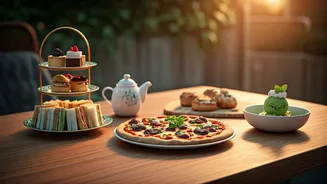
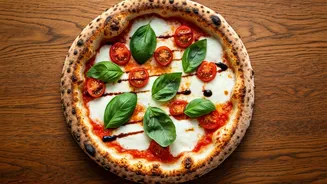
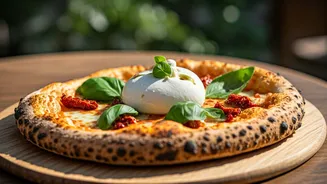
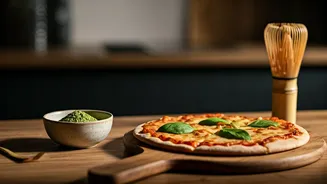
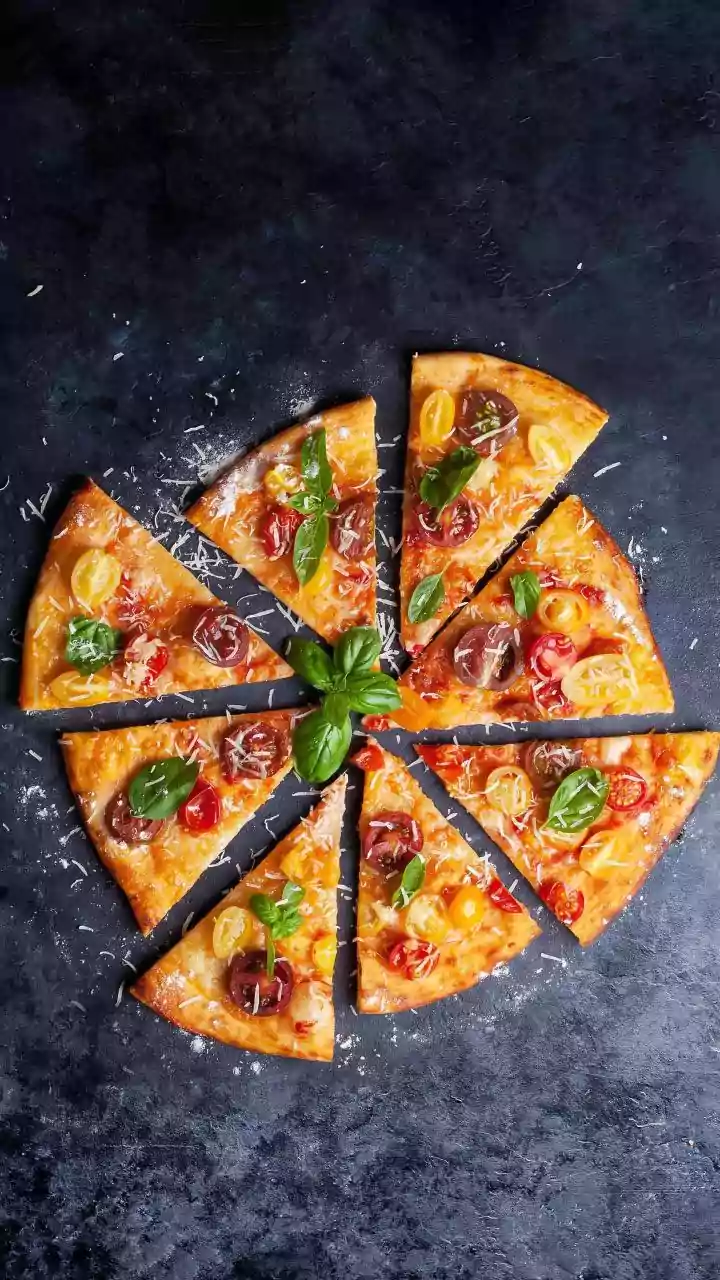
inviting a punk rocker and a ballerina to the same dinner party and hoping they hit it off. Yet, across trendy cafes and pop-ups in cities like New York and Los Angeles, they’re not just coexisting; they’re being served as a deliberate, dynamic duo. Picture it: a piping hot slice of pepperoni pizza, its oils glistening under the sun, sitting next to a frosty, vibrant green iced matcha latte. It’s a visual and cultural clash that, against all odds, is starting to look like a perfect match.
The Flavor Science Behind the Fusion
So, how does this actually work on the palate? The magic lies in the contrast and balance. Pizza is a symphony of fat, salt, and acidity. The cheese and meat bring savory umami and richness, while the tomato sauce provides a bright, acidic counterpoint. Now, enter matcha. High-quality matcha has a complex flavor profile: it’s vegetal, slightly sweet, and carries a distinct bitterness and its own brand of umami. When you take a sip of an unsweetened or lightly sweetened iced matcha after a bite of rich, greasy pizza, the tea’s subtle bitterness acts as a palate cleanser. It cuts through the fat from the cheese and pepperoni in the same way the carbonation of a soda or the crispness of a beer would. The earthy notes of the matcha also complement the baked-crust flavor, creating a surprisingly harmonious finish. It's a high-low balancing act that stimulates the entire palate.
A Modern Take on Itameshi
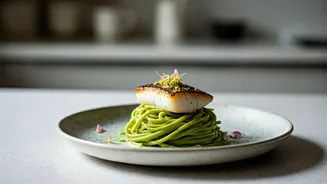
This pairing isn’t born from a vacuum. It’s the latest, most accessible iteration of “Itameshi,” or Japanese-Italian fusion cuisine, a culinary style that’s been popular in Japan for decades. Classic Itameshi often involves incorporating Japanese ingredients like uni (sea urchin) or shiso leaf into traditional pasta dishes. The pizza-and-matcha duo democratizes this concept, taking it out of fine dining and putting it onto the social-media-friendly lunch table. It represents a globalized palate where diners no longer feel constrained by traditional rules. We drink oat milk lattes with our bacon, egg, and cheese, and we put chili crisp on our ice cream. In this context, enjoying a matcha with a slice of pizza isn't just plausible; it's the logical next step in our post-regional culinary world.
Made for the Social Media Age
Let’s be honest: a huge part of this trend’s momentum comes from its sheer aesthetic appeal. The visual contrast is undeniable and perfectly engineered for an Instagram grid or a TikTok video. The rustic, mottled browns and reds of a well-baked pizza create a stunning backdrop for the almost-neon green of a matcha latte. It’s a photo that communicates a certain kind of modern, adventurous cool. It says you’re in the know, you’re open-minded, and you appreciate both timeless comfort and contemporary trends. In an era where we often eat with our eyes (and our phones) first, the pizza-and-matcha combination isn't just a meal; it's content. And in the competitive world of food trends, being photogenic is half the battle.