


The New Social Currency
Forget the flashy watch or the European sports car. The modern symbol of having made it might just be a Whoop strap on your wrist or an Oura ring on your finger. In a world saturated with burnout and anxiety, the ability to invest time, money, and energy
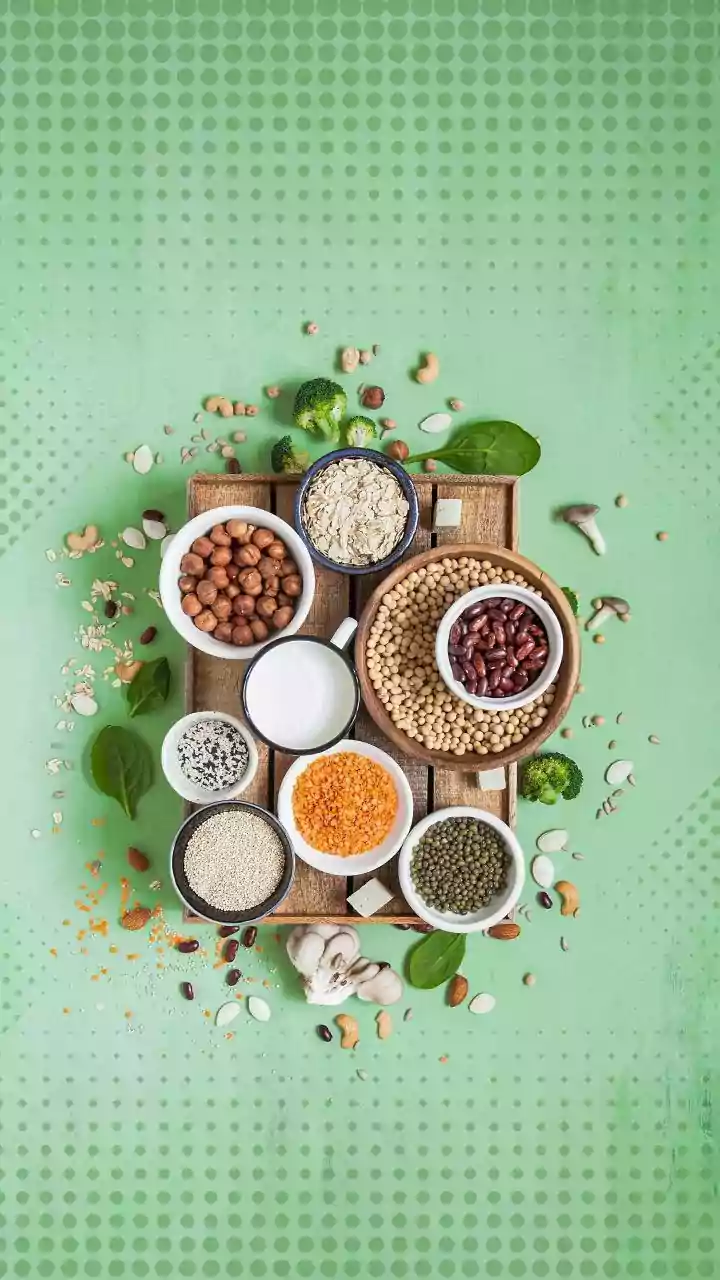
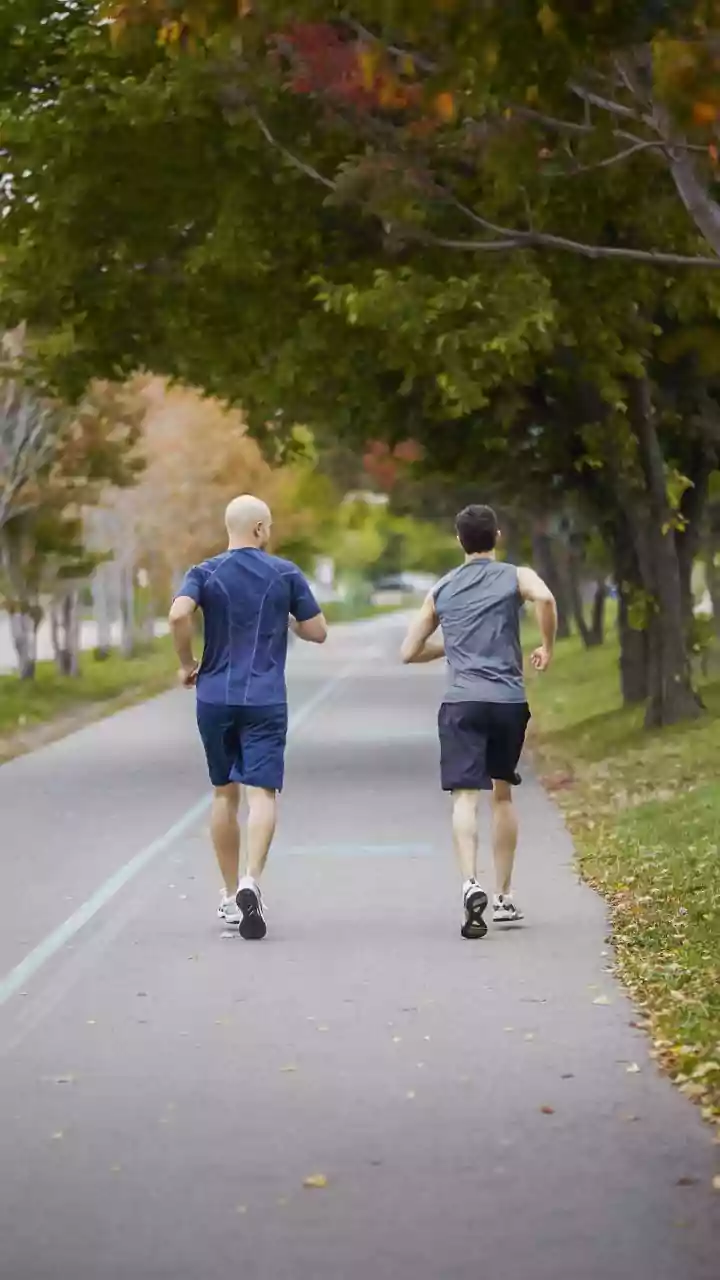
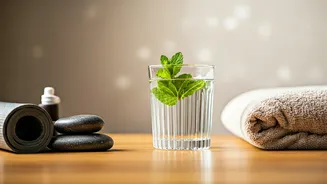
into personal restoration has become the ultimate display of luxury. The ‘flex’ has shifted from conspicuous consumption to conspicuous wellness. This isn't just about getting eight hours of sleep; it’s about optimizing that sleep, tracking your REM cycles, and waking up to a perfectly calibrated routine of meditation, hydration, and gentle movement. On social media, the messy party pics of the 2010s have been replaced by serene snapshots of infrared sauna sessions, post-workout ice baths, and meticulously organized trays of supplements. It’s a quiet but powerful statement: I’m so successful that I can afford to focus on my own well-being. This aesthetic telegraphs discipline, control, and a level of personal optimization that goes far beyond the traditional markers of a successful career.
From Burnout to Bio-Hacking
How did we get here? This trend is a direct reaction to the toxic ‘hustle culture’ that dominated the last decade. The glorification of sleep deprivation and working 80-hour weeks eventually led to a collective breaking point. The COVID-19 pandemic accelerated this shift, forcing millions to confront their mortality and re-evaluate their priorities. Health, once taken for granted, became a central focus. Simultaneously, elite performers began pulling back the curtain on what it *really* takes to operate at a high level. Athletes like LeBron James, who famously spends over a million dollars a year on his body, normalized the idea that recovery is just as important as the work itself. Tech CEOs and Silicon Valley bio-hackers further popularized the notion of treating the body as a system to be optimized. The message trickled down: if you want to perform like the best, you need to recover like them. Suddenly, rest wasn't lazy; it was a strategic advantage.
The Recovery Marketplace
Where a cultural trend emerges, a market is sure to follow. The wellness industry, already a behemoth, quickly capitalized on the recovery craze. It’s now a multi-billion dollar ecosystem of products and services designed to help you bounce back faster, stronger, and more efficiently. Percussive therapy guns like Theragun promise to melt away muscle soreness. High-end, non-alcoholic spirits cater to the ‘sober curious’ who want the social ritual without the hangover. Boutique studios offer access to cryotherapy chambers that plunge your body to sub-zero temperatures for a few minutes, all in the name of reducing inflammation. There are compression boots, smart mattresses that adjust to your body temperature, and an endless array of powders, tinctures, and pills promising better sleep, clearer focus, and enhanced vitality. This isn't just about feeling good; it's about buying into a lifestyle that’s aspirational, high-tech, and undeniably expensive.
Performative Wellness and Its Limits
While a societal pivot toward health is undoubtedly a good thing, the ‘recovery flex’ has a clear downside. When wellness becomes a performance, it can create a new, insidious form of social pressure. The ‘that girl’ aesthetic on TikTok, featuring impossibly perfect morning routines, can feel less like inspiration and more like another standard of perfection that’s impossible to meet. Furthermore, this trend has significant class implications. An Oura ring costs hundreds of dollars, plus a monthly subscription. A single cryotherapy session can run you $75. Access to these tools—and more importantly, the time to use them—is a marker of privilege. For the single parent working two jobs or the gig-economy driver, the idea of a dedicated ‘recovery’ routine is a fantasy. The danger is that we conflate true well-being, which is often free (a walk in the park, a good night’s sleep), with the expensive, commodified version of it, creating yet another way for people to feel like they’re falling behind.