
1. The Glorious, Simple Walk
Remember when fitness felt like it had to be a high-octane, sweat-drenched ordeal to even count? The pendulum has swung back. Hard. The most profound trend is the renewed appreciation for walking. Whether it’s the social-media-famous '12-3-30' treadmill
routine (12% incline, 3.0 mph speed, for 30 minutes) or the gentler concept of 'cozy cardio,' people are rediscovering the oldest form of human movement. This isn't just a low-impact choice; it's a cultural one. It’s a rebellion against the 'no pain, no gain' mantra that dominated fitness for decades. Instead of optimizing for caloric burn, people are walking for mental clarity, stress reduction, and the simple joy of moving their bodies in a sustainable way. It’s free, it’s accessible, and it requires no special equipment—a perfect antidote to the complexity and cost of modern life.
2. The Power of Your Own Bodyweight
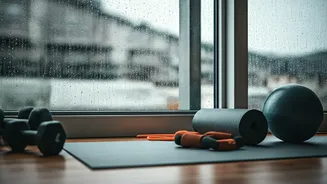
For a while, it seemed like you needed a garage full of equipment to get a decent home workout. But after the initial pandemic-era rush for smart bikes and digital trainers, many are now embracing the ultimate minimalist gym: themselves. Bodyweight training, or calisthenics, is surging in popularity. Think push-ups, squats, planks, and pull-ups—fundamental movements that build functional strength without a single dumbbell. This trend speaks to a desire for self-sufficiency. It’s empowering to know you can get a challenging workout anywhere, anytime, with no subscription fee required. It taps into a primal sense of mastering your own physical form, focusing on mobility, stability, and control. This isn't about chasing a number on a screen; it's about building a capable, resilient body with the most basic tool you own.
3. Just Lifting Heavy Things
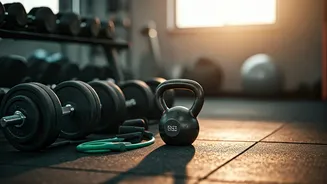
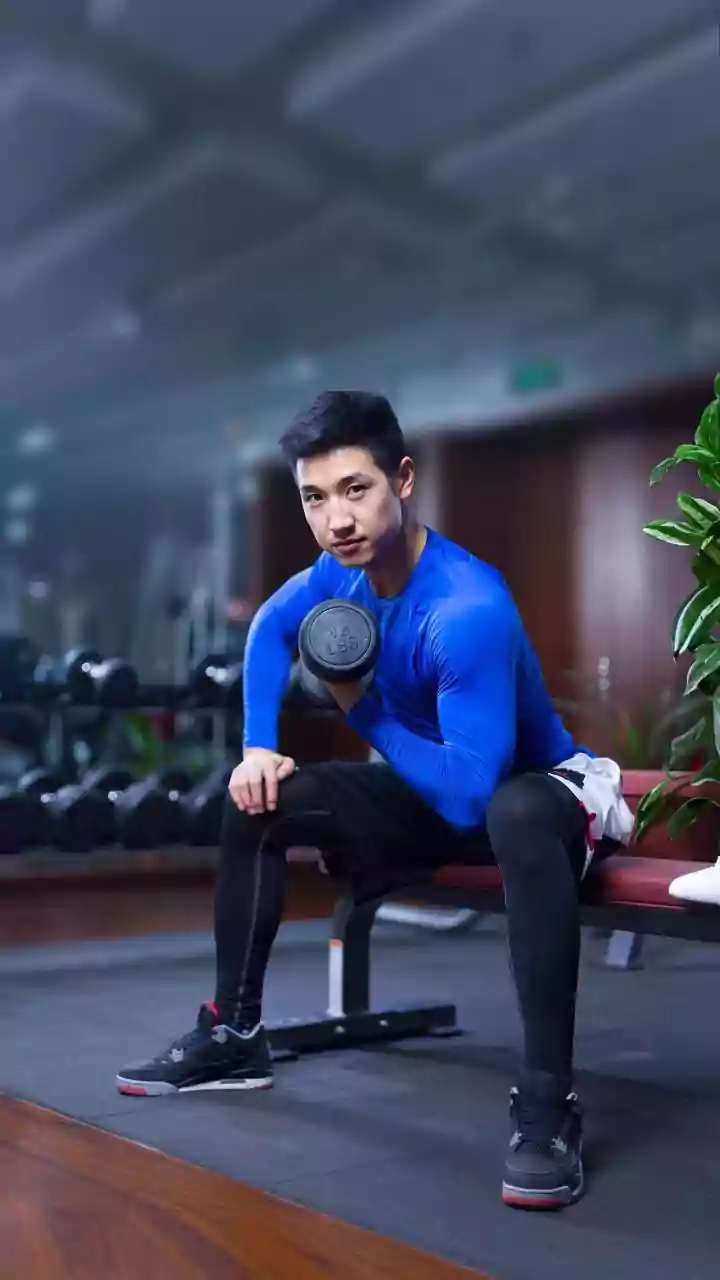
While bodyweight training thrives on minimalism, another back-to-basics trend is dominating the gym floor: classic strength training. We're talking free weights—dumbbells, barbells, and kettlebells. After years of complicated circuit machines that isolate tiny muscle groups, there's a renewed focus on compound lifts like deadlifts, squats, and overhead presses. These movements are efficient, effective, and have been the bedrock of strength for centuries. This shift is particularly noticeable among women, who are increasingly embracing lifting not for aesthetics, but for the profound sense of empowerment and capability it provides. Tracking progress is simple and tangible: you can lift more weight or perform more reps. This return to foundational lifting is a rejection of gimmicky workouts in favor of proven methods that deliver real-world strength.
4. The Rise of 'Play' as Exercise
What if your workout didn't feel like a workout at all? That’s the driving force behind the explosion of social and recreational fitness. Pickleball isn't just a sport; it's a nationwide phenomenon because it’s fun, social, and easy to learn. People are also returning to timeless activities like hiking, swimming, and cycling, not to log miles or set personal records, but to connect with nature and friends. This movement is a direct counterpoint to the data-obsessed, optimization-focused fitness culture propagated by wearables. It prioritizes joy over metrics and community over competition. By framing movement as 'play,' people are finding more sustainable motivation, turning fitness from a chore to be completed into a fulfilling part of their social lives.