





Perform the Great Balcony Edit
Before you can move forward, you need an honest assessment of what’s working and what isn't. The first step in taming chaos is to curate your space. Take a hard look at every plant. Are some struggling from the get-go? Did that early-spring lettuce bolt
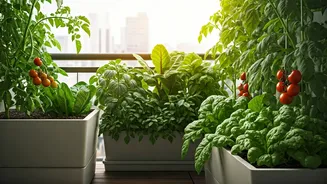
in the first warm spell? It’s okay to admit defeat. Pull out any plants that are clearly dead, dying, or finished with their productive cycle. This is also the time to consolidate. If you have three small, struggling basil plants, combine the healthiest one into a single, better pot. Removing the underperformers not only reduces clutter and visual stress, but it also frees up precious resources—sunlight, water, and your attention—for the plants that have a real shot at thriving through July and August.
Prune for Power, Not Punishment
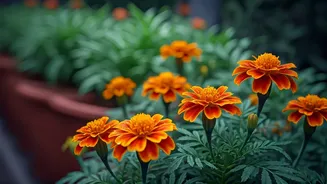
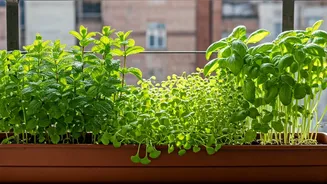
Pruning can feel intimidating, like you’re hurting your plants, but June is the perfect time for a strategic trim. Think of it as a haircut that encourages healthy, robust growth. For herbs like basil, mint, and oregano, regular trimming prevents them from getting “leggy” (all stem, few leaves) and encourages them to become bushier. Pinching off the top sets of leaves is all it takes. For flowering plants like petunias or geraniums, this is the time to “deadhead”—snip off the spent, withered blooms. This simple action stops the plant from wasting energy on seed production and redirects it into creating more flowers. On vining plants like tomatoes, you can prune the lower leaves that aren't getting much sun to improve air circulation and reduce the risk of fungal diseases.
Fortify the Foundation: Soil and Mulch
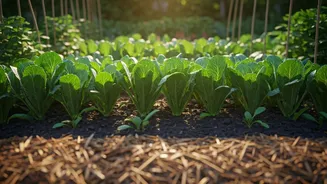
Container plants are entirely dependent on you for nutrients, and by June, they’ve likely used up much of the initial food in their potting soil. Now is the time to refuel them for the demanding summer ahead. You don't need to repot everything. Instead, gently scrape away the top inch or two of soil and “top dress” with a fresh layer of compost or a balanced, slow-release granular fertilizer. This provides a steady supply of nutrients every time you water. Next, add a layer of mulch on top of the soil. Wood chips, straw, or cocoa hulls work well. Mulch is a balcony gardener’s secret weapon: it helps retain precious moisture, keeps the roots cool during brutal afternoon sun, and suppresses weeds that might compete for resources.
Get Ahead of the Pest Invasion
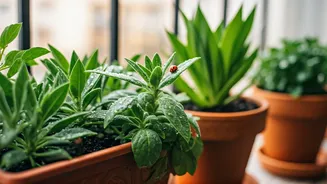
Warm weather is a welcome sign for you, but it’s also an open invitation for pests. Aphids, spider mites, and whiteflies love the cozy, sheltered environment of a balcony garden. The key is to act now, before a small problem becomes a full-blown infestation. Once a week, take a few minutes to inspect your plants closely. Check the undersides of leaves, the junctions where leaves meet stems, and any new growth. If you spot a few intruders, you can often just wipe them off with a paper towel or dislodge them with a strong spray of water from a squirt bottle. For a slightly more stubborn problem, a store-bought insecticidal soap is a safe and effective option. Dealing with pests when their numbers are small is infinitely easier than fighting a war on a hundred fronts in July.
Upgrade Your Watering Game
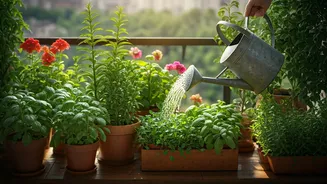
As temperatures climb, your watering routine needs to evolve. A quick splash every day isn't enough. Balcony containers, especially smaller ones, dry out incredibly fast. The goal is to water deeply and thoroughly, not just frequently. Water until you see it running out of the drainage holes at the bottom of the pot. This ensures the entire root ball is saturated. The best time to water is in the early morning, which allows the plant to hydrate before the heat of the day and minimizes water loss to evaporation. For an even smarter setup, consider grouping plants with similar water needs together. If you’re going away for a weekend, self-watering globes or a simple drip irrigation kit can be a lifesaver, preventing you from coming home to a collection of crispy, sun-scorched casualties.