
Beyond the Sad Desk Lunch
Scan through food-focused social media in India, and you'll find something remarkable. Amidst the polished plates and elaborate recipes, a new star is emerging: the leftover. But this isn't the sad, congealed container of last night's dinner you might
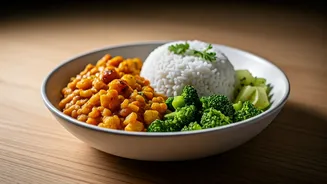
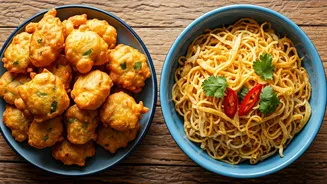
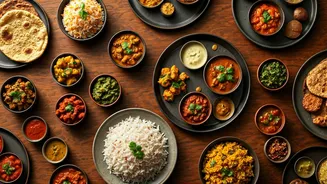
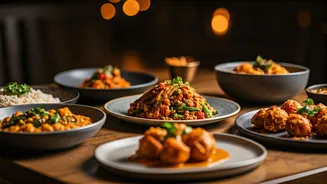
picture. This is a movement centered on transformation. It’s about taking *bacha hua khana*—the Hindi phrase for leftover food—and turning it into something entirely new, often more exciting than the original meal. We're talking about leftover dal (lentil stew) being kneaded into flour to make savory, flaky flatbreads called parathas. Or day-old rice, mashed with spices and herbs, then deep-fried into crispy, irresistible fritters known as vadas. This is not reheating; it’s culinary alchemy, and it has become social media gold. Creators are racking up millions of views with quick, mesmerizing videos that show the humble becoming the spectacular.
A Tradition of Resourcefulness
While the polished videos and trending hashtags are new, the philosophy behind them is ancient. In many Indian households, wasting food is considered deeply improper. This value is rooted in both economic pragmatism and cultural-spiritual beliefs about respecting one's provisions. For generations, home cooks—primarily women—have been the unsung masters of this art, quietly stretching ingredients and ensuring nothing goes to waste. What was once a private, domestic skill passed down through observation is now being celebrated on a public stage. The social media trend isn't inventing a new way to cook; it's simply putting a spotlight on a form of everyday genius that has long been the backbone of Indian home kitchens. It’s a digital ode to the resourcefulness of mothers and grandmothers everywhere.
The Anatomy of a Viral Hit
The success of this content lies in its perfect storm of social media appeal. The format is often a satisfying before-and-after. A bowl of simple leftover rice is presented, and then—through quick cuts, ASMR-worthy sizzling sounds, and a flurry of fragrant spices—it’s reborn as a beautiful, golden-brown pan-fried dish. The transformation is visually compelling and deeply gratifying to watch. It taps into the same satisfaction we get from home makeover shows, but in a bite-sized, sixty-second format. Furthermore, the content is inherently useful. Viewers don't just see a pretty dish; they get a practical, creative solution to a universal problem, inspiring them to look at their own refrigerator with new eyes.
Why This Trend Is So Smart
The headline's claim that this is India's "smartest" trend holds up on multiple fronts. First, it’s a masterclass in sustainability. At a time when global consciousness about food waste is at an all-time high, this trend offers a positive, joyful, and delicious solution, rather than a scolding lecture. Second, it's economically intelligent. As food prices rise globally, making every ingredient count is a practical financial strategy. This content democratizes good food, showing that you don’t need expensive, novel ingredients to create something amazing. Finally, it fosters genuine creativity. Instead of just following a recipe, cooks are encouraged to improvise based on what they have. It’s a framework for innovation, reminding us that constraints—like a container of leftover potatoes—can be the mother of culinary invention.