

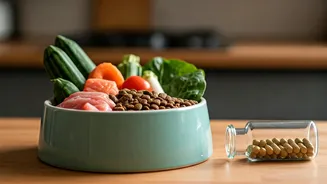
Beyond Just Another Bag of Kibble
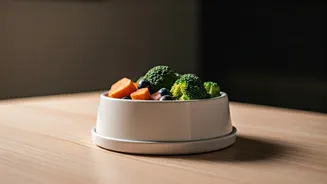
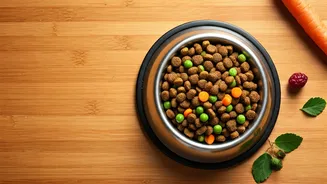
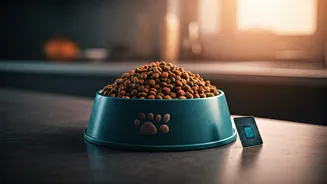
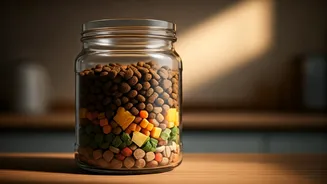
So what exactly is ‘personalized pet food’? Forget just choosing between 'puppy' and 'adult' formulas. This new generation of pet nutrition is built around data. Companies like The Farmer’s Dog, Nom Nom, and Ollie have you fill out extensive online questionnaires
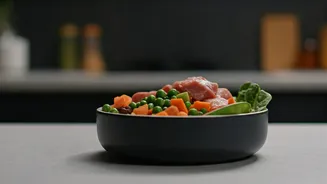
covering your pet’s breed, age, weight, activity level, allergies, and health goals. An algorithm then designs a specific meal plan, often featuring fresh, human-grade ingredients, cooked in small batches, and portioned precisely for your pet’s daily caloric needs. These meals are then shipped directly to your door on a subscription basis, completely bypassing the traditional retail aisle. It’s less like buying a bag of food and more like signing your dog up for a bespoke meal-delivery service.
The Humanization of Pet Care
This trend isn't happening in a vacuum. It’s the direct result of a massive cultural shift known as the ‘humanization’ of pets. For millions of Americans, particularly Millennials and Gen Z, pets are not just animals; they are children, companions, and integral members of the household. This emotional shift has profound economic consequences. If you’re carefully reading labels and avoiding processed ingredients in your own diet, why wouldn't you do the same for your furry best friend? This mindset has fueled a demand for transparency, quality ingredients, and products that promise a healthier, longer life for our pets. Personalized food companies tap directly into this powerful emotional driver, offering peace of mind in a pre-portioned package.
Data on the Dog Bowl
While fresh ingredients get most of the attention, the real engine of this revolution is technology. The direct-to-consumer (DTC) model allows these brands to build a one-on-one relationship with pet owners, gathering data that traditional brands can only dream of. Every detail from the questionnaire, every piece of feedback about a pet’s changing condition, can be used to tweak formulas and improve the product. This creates a powerful feedback loop. Is your dog’s coat looking shinier? Are they more energetic? Did they finally lose that stubborn half-pound? The ability to track and respond to these subtle changes in real time is what makes the 'personalization' more than just a marketing gimmick. It's a data-driven approach to wellness that mirrors trends in human health tech, from fitness trackers to personalized vitamin packs.
The Veterinary Viewpoint
While the marketing is compelling, the veterinary community has a more nuanced take. Many veterinarians applaud the focus on precise portion control, which is crucial for combating the pet obesity epidemic. They also see value in custom diets for animals with specific, diagnosed health issues. However, there is also caution. Many traditional pet foods from established brands have decades of peer-reviewed research and feeding trials behind them, meeting the rigorous standards set by the Association of American Feed Control Officials (AAFCO). Some newer, smaller companies may not have undergone the same level of scientific scrutiny. The consensus from many vets is that while fresh, personalized diets can be excellent, pet owners should ensure the chosen company employs board-certified veterinary nutritionists and conducts transparent research to back up its health claims.
The Road to 2026
The ‘2026’ in the headline isn't a hard deadline; it’s a marker for when this niche trend is expected to feel mainstream. Right now, personalized pet food is a premium service, with costs that can be significantly higher than high-quality kibble. But as the market grows, competition increases, and supply chains become more efficient, prices are likely to become more accessible. More importantly, the very existence of these services is forcing the entire pet food industry to evolve. We can expect to see major legacy brands launch their own personalized lines or acquire successful startups. The future of pet food isn't just one-size-fits-all anymore. It’s tailored, it’s transparent, and it’s arriving right at your doorstep.