




Moving Past the Palace Aesthetic
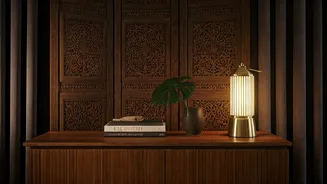
For decades, the aspirational Indian home, particularly in the post-liberalization era, often leaned into a maximalist vision. This aesthetic was rooted in a rich history of craftsmanship and a desire to display prosperity. Think heavy, ornately carved
rosewood or teak furniture, deep red and gold brocades, polished marble floors, and an abundance of decorative objects. The living room was often a formal space, a showcase for guests rather than a cozy family nook. While beautiful and deeply connected to cultural heritage, this style was built for a different time—one of larger homes, joint families, and more formal social structures. In the fast-paced, often cramped, reality of modern urban India, this grandeur can feel less like a luxury and more like a burden.
The Rise of the Urban Sanctuary
The shift towards calmer interiors is a direct response to a new way of life. India's millennials and Gen Z, increasingly living in nuclear families or on their own in metropolitan apartments, are driving this change. Their lives are lived online, in bustling cafes, and within the chaotic energy of cities like Mumbai, Delhi, and Bangalore. For this generation, home is no longer a public-facing statement of status but a private sanctuary for decompression. Global exposure through platforms like Pinterest and Instagram has also played a massive role. It has democratized design knowledge, exposing a new generation to global aesthetics like Scandinavian minimalism, Japanese wabi-sabi, and the hybrid “Japandi” style, which champions simplicity, natural materials, and imperfect beauty.
The New Indian Design Language
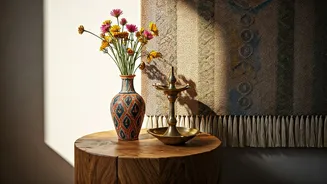
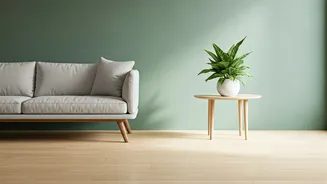
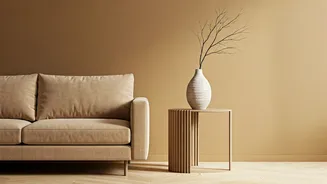
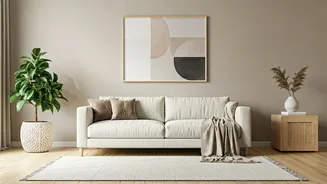
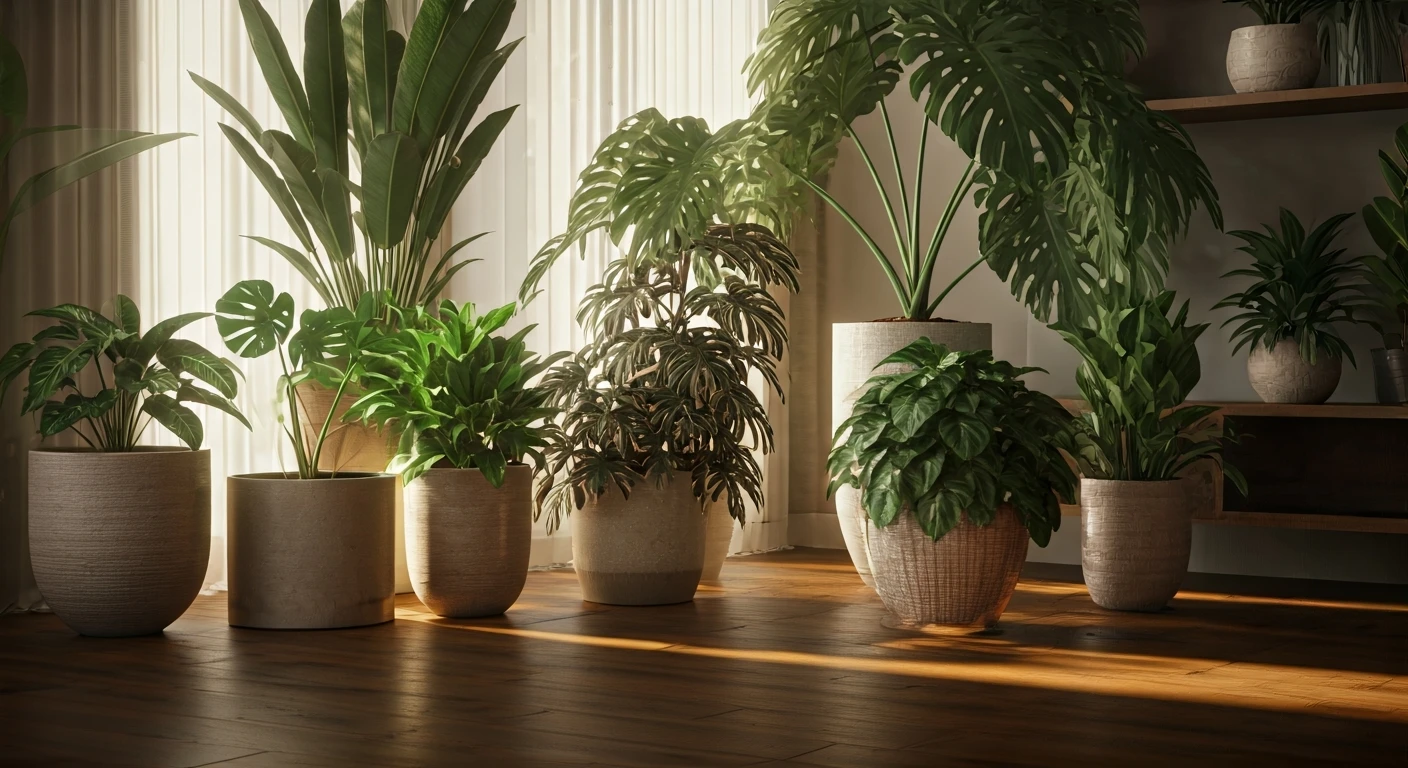
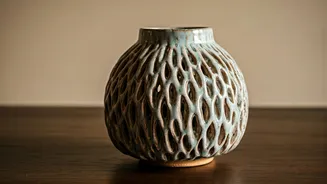
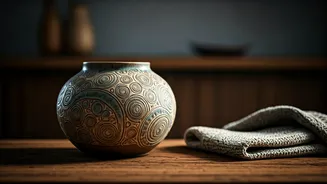
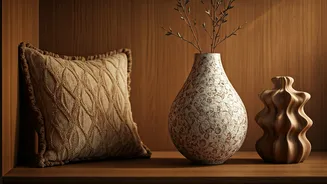
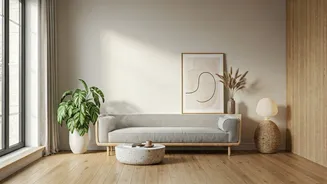
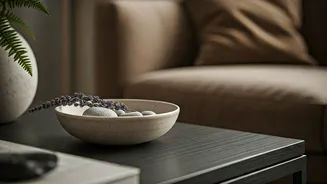
So, what does this new “calm” Indian interior look like? It’s less about a strict set of rules and more about a feeling. The palette has softened dramatically, moving from jewel tones to a sophisticated range of neutrals: earthy terracotta, warm beige, soft whites, and muted greens. Heavy, dark woods are being replaced by lighter-toned teak, sustainable bamboo, and woven cane or rattan furniture, which add texture without visual weight. There's a renewed appreciation for indigenous materials and handmade objects. A single, beautifully crafted piece of pottery or a hand-woven textile from a local artisan becomes the focal point, rather than a room full of competing artifacts. Layouts are more open and flexible, prioritizing natural light and airflow. The formal living room is dissolving into a multifunctional, comfortable space for lounging, working, and living.
Modernity with Indian Soul
Crucially, this is not a wholesale rejection of Indian identity in favor of a sterile, Western-style minimalism. Instead, it’s a confident reinterpretation. The spirit of India remains, just expressed in a subtler, more personal way. A traditional urli (a brass vessel) might be used to float a single flower instead of being filled to the brim. The intricate patterns of a Jaipur block print might appear on a single cushion rather than an entire bedding set. Religious iconography, if present, is often more personal and less performative. This design ethos reflects a modern Indian identity: globally aware but locally rooted. It's about finding a balance—creating a space that is clean and uncluttered enough to soothe a busy mind, yet warm and soulful enough to feel like home.