

The Curve Appeal of Scallops
Look around any design-forward space, and you’ll notice a distinct shift: hard edges are giving way to soft curves. Arched doorways, rounded sofas, and circular coffee tables are everywhere. Scalloped shelving is the latest and most delightful expression
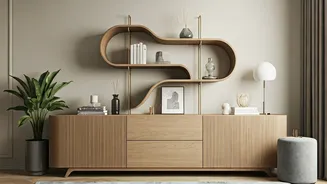
of this trend. Characterized by its repeating, wave-like edge, the scallop detail transforms a simple set of shelves from a purely functional object into a whimsical statement piece. Unlike the severe, floating shelves of the past decade, these units bring a sense of movement and personality to a room. They catch the eye, create gentle shadows, and add a layer of texture that feels both sophisticated and approachable. It’s a design choice that says you value both organization and artistry, proving that storage doesn’t have to be boring.
Vintage Charm, Modern Sensibility
The scallop motif is far from new, which is a key part of its appeal. Its roots trace back to classical architecture and flourished during the Art Deco period of the 1920s and 30s, where it adorned everything from building facades to glamorous vanities. The shape evokes a sense of old-world elegance and Hollywood Regency glamour. It reappeared in the 1970s and 80s with a more playful, chunky aesthetic. Today’s scalloped shelving units borrow from all these eras but reinterpret them for the modern home. The silhouette feels nostalgic and comforting, tapping into our collective desire for decor that has a story. Yet, it avoids feeling dated or fussy. By applying this vintage detail to a contemporary furniture staple, designers have created something that feels both timeless and perfectly of-the-moment. It’s a nod to the past without being stuck in it.
More Than Just a Pretty Edge
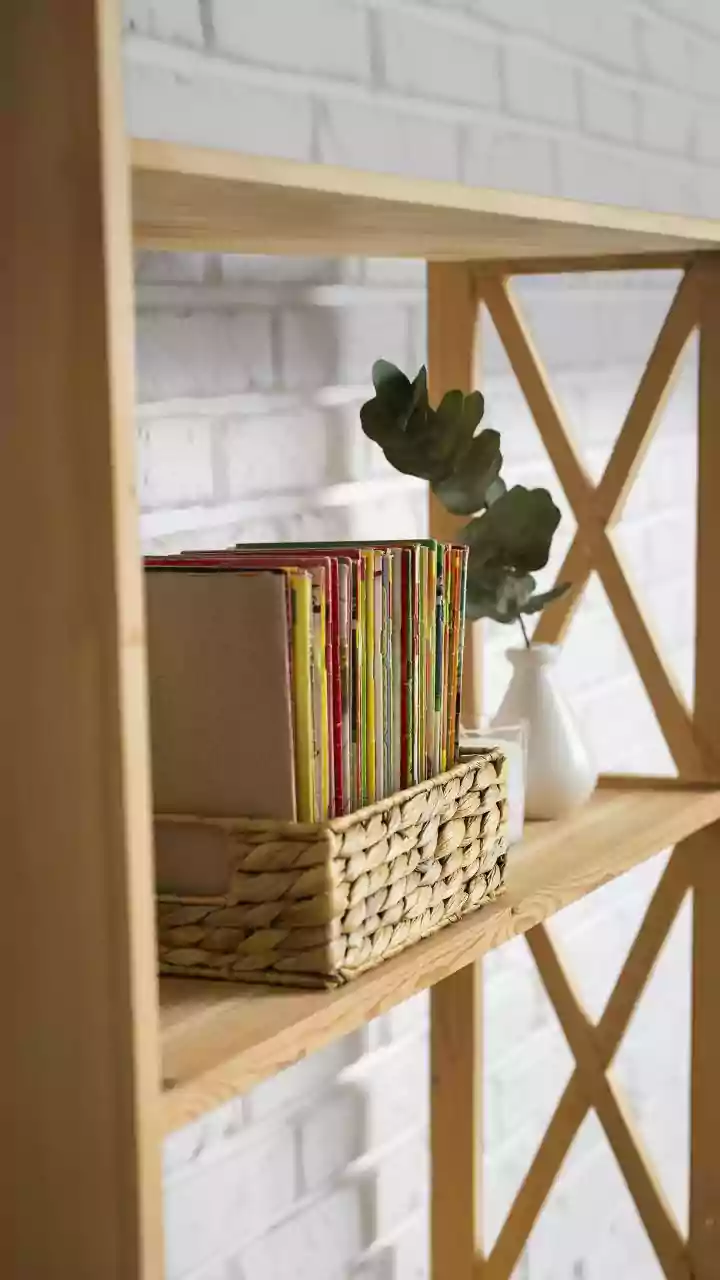
Here’s the genius of the trend: while the scalloped edge provides a soft, decorative flourish, the unit’s core structure is all about modern geometry. Most of these pieces are built on a simple grid or a series of clean, rectangular tiers. This underlying framework ensures they are incredibly practical. The shelves are typically deep and sturdy enough to hold stacks of books, vinyl records, ceramic vases, and storage baskets. This fusion of form and function is what makes them so versatile. The geometric grid provides order and tidiness, satisfying the minimalist part of our brain that craves clean lines and organization. The scalloped trim satisfies our maximalist side, which yearns for personality, pattern, and a touch of the unexpected. It’s the perfect compromise, offering the best of both worlds in a single, stylish package.
Making Waves in Your Space
Integrating a scalloped shelf is easier than you might think. In a living room, a tall étagère with scalloped edges can serve as a stunning focal point, replacing a generic bookcase. Use it to create a “shelfie” moment by mixing books (try arranging some by color) with cherished objects, small plants, and framed photos. In a dining area, a smaller scalloped unit works beautifully as a modern bar cart or a place to display favorite dishes. They are also a perfect fit for nurseries and children's rooms, where the whimsical shape adds a fairy-tale touch without being overly childish. Don’t be afraid of color, either. While natural wood and classic white are always chic, these shelves shine in bold, lacquered finishes like emerald green, dusty rose, or deep navy, turning a storage solution into a piece of pop art.