







An Oasis Above the Desert
While most of Rajasthan is a sun-drenched expanse of desert forts and palaces, Mount Abu is a surprising anomaly. It’s the state’s only hill station, a cool, green retreat that feels worlds away from the heat of the plains below. And nestled within its
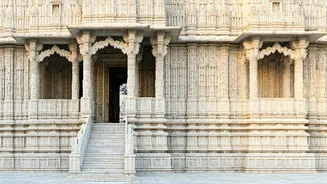
forested hills are the Dilwara Temples, a complex of five Jain temples that are not just places of worship but architectural marvels of global renown. Built between the 11th and 13th centuries, these temples don't announce their grandeur from the outside. Their exteriors are remarkably plain, a deliberate choice to deter invaders. This modesty makes the treasure inside all the more breathtaking. Stepping across the threshold is like entering another dimension, one where every surface whispers stories of devotion and artistry.
A Symphony Carved in Marble
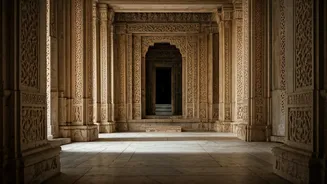
The term “marble temple” hardly does Dilwara justice. The stone here has been worked with a level of intricacy that seems impossible. Imagine lace, woven not from thread but from solid Makrana marble, the same pure white stone used for the Taj Mahal. Ceilings bloom into fantastically detailed lotus pendants, so delicately carved they appear translucent. Pillars are covered in minute figures of deities, dancers, and elephants, each one a miniature masterpiece. In the Vimal Vasahi temple, dedicated to the first Jain Tirthankara, the ornate dome is composed of 11 concentric rings featuring elaborate patterns and figures. The sheer density of detail is overwhelming; you could spend an hour staring at a single section of the ceiling and still not see it all. It’s a testament to the artisans who spent decades, sometimes generations, turning a mountain of stone into a vision of heaven on Earth.
Stories Etched in Stone
Each of the five temples has its own character. The two most famous are the Vimal Vasahi and the Luna Vasahi. The Luna Vasahi, dedicated to the 22nd Tirthankara, is especially celebrated for its spectacular main hall ceiling. A massive central pendant drops down like a divine chandelier, its craftsmanship so fine it defies belief. The temple’s small, devotional cells feature serene-faced idols carved from dark stone, providing a stark, powerful contrast to the luminous white marble that surrounds them. These aren't just monuments; they are active places of pilgrimage. You’ll see Jain monks in simple white robes and devotees making offerings, their quiet reverence adding to the atmosphere of deep spirituality. The experience is about more than just admiring the art; it’s about feeling the palpable sense of peace that has soaked into the stones over nearly a thousand years.
The Wisdom of Timing
Visiting India during a major festival like Diwali is an unforgettable sensory overload. But the days leading up to it offer a unique window of opportunity. While the rest of the region is caught in a whirlwind of preparation, places like the Dilwara Temples enjoy a brief, magical lull. The weather is often perfect—clear and pleasant—and the crowds that will soon descend are still at home. Visiting during this pre-festival calm allows for a more contemplative experience. You can wander the halls with ample space, absorb the intricate details without being jostled, and feel the temple’s tranquility on your own terms. The silence is broken only by the soft chime of a distant bell or the murmur of a prayer. It’s a chance to see this wonder not as a tourist attraction, but as the sanctuary it was always meant to be, offering a moment of profound calm before the joyous chaos of celebration begins.