





What’s the Monsoon Got to Do With It?
The headline isn’t just a catchy phrase; it’s the core instruction. Turmeric (Curcuma longa) is a tropical plant native to Southeast Asia, where it thrives during the warm, wet, and humid monsoon season. For home growers in the U.S., this is the key.
You don’t need a tropical storm in your backyard; you just need to mimic those conditions. The “monsoon hack” is about creating a pocket of warmth and consistent moisture for your plant, whether it’s on a sunny windowsill or a patio. Think of it as a summer project: you’ll plant in the spring as temperatures rise and harvest in the fall or winter after a long season of growth. This simple understanding transforms a seemingly exotic plant into a manageable and rewarding home gardening project.
Your Simple Grocery Store Starter
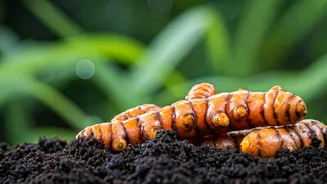
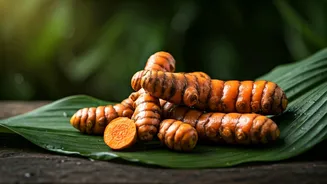
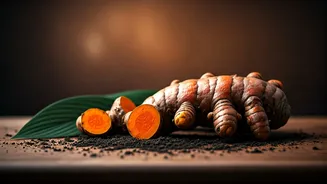
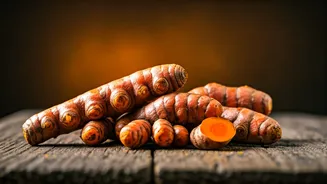
You don't need to order special seeds or visit a nursery. Your journey begins in the produce aisle of your local grocery store or Asian market. Look for firm, plump turmeric rhizomes—the same knobby roots you might buy for cooking. The best candidates for growing are organic, as non-organic roots may have been treated with a growth inhibitor to prevent them from sprouting on the shelf. Inspect the root for small bumps or rings, which are the 'eyes' or buds. These are the points from which new growth will emerge. A single, healthy rhizome about two to three inches long with a few visible buds is all you need to get started.
Waking Up the Rhizome
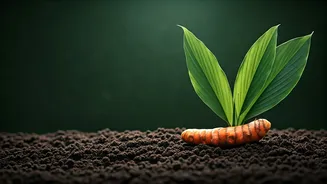
Before you even touch a pot of soil, you need to encourage your turmeric to sprout. This step, called 'pre-sprouting,' significantly increases your chances of success. It’s like giving the root a gentle wake-up call. The easiest method is to place the rhizome in a small plastic bag with a few holes poked in it for ventilation, and leave it in a warm, dark place, like a kitchen cabinet. Alternatively, you can rest it on a barely damp paper towel on a plate. Check on it every few days. After a week or two, you should see small, pale nubs—the beginnings of new shoots—emerging from the buds. Once these sprouts are about a half-inch long, your turmeric is ready for planting.
Planting Your Pot of Gold
Now it’s time to give your sprouted rhizome a home. Turmeric isn’t fussy, but it does need room to spread and soil that doesn’t hold too much water. Choose a pot that is at least 12 inches wide and 12 inches deep to accommodate the root's horizontal growth. A container with good drainage holes is non-negotiable to prevent rot. Fill the pot with a high-quality, well-draining potting mix. Plant the sprouted rhizome about two inches deep, with the buds facing up. If you have multiple sprouts, you can break the rhizome into smaller pieces, ensuring each piece has at least one sprout. Water the pot thoroughly after planting until you see water run out of the bottom.
Creating Your Mini-Monsoon
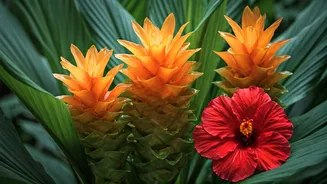
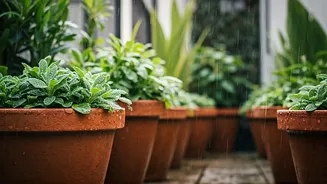
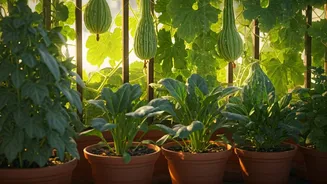
To ensure your turmeric thrives, place the pot in a spot that gets several hours of bright, indirect sunlight. Direct, scorching sun can burn the leaves, but too little light will slow its growth. Now, for the 'monsoon' part: keeping the soil consistently moist. Don’t let it dry out completely, but also avoid making it a swamp. A good rule of thumb is to water when the top inch of soil feels dry to the touch. As the weather heats up in summer, you may need to water every day. This consistent moisture, combined with the warmth of the growing season, is the perfect simulation of the plant’s natural habitat. Soon, you'll see lush, green leaves emerge, resembling a canna lily.
The Harvest and Reward
Turmeric is a patient teacher; it takes about 8 to 10 months from planting to harvest. Throughout the summer, your plant will produce beautiful foliage. In the fall, as temperatures drop, the leaves will begin to yellow and dry out. This is the signal that the rhizomes below are mature and ready. To harvest, simply tip the pot over and gently shake the entire plant loose. You’ll find a cluster of fresh, new rhizomes that have grown from the original piece you planted. Brush off the soil, break off what you need for the kitchen, and be sure to save a few good pieces with buds to start the process all over again next spring. The flavor of fresh, homegrown turmeric is brighter, more aromatic, and more potent than any you can buy.