




Welcome to the Abode of the Clouds
For most of the U.S., heavy rain means canceled picnics and a gloomy forecast. But in the northeastern Indian state of Meghalaya—a name that translates to “Abode of the Clouds”—the monsoon is the main event. This is home to some of the wettest places
on Earth, including the towns of Mawsynram and Cherrapunji (also known as Sohra), which receive dozens of feet of rain annually. This isn't just a drizzle; it's a deluge that completely terraforms the landscape from June to October. The entire region, a lush plateau of rolling hills and deep gorges, becomes super-saturated. The result? Water. Everywhere. Creeks become rivers, and cliffs that were bare just weeks before suddenly erupt with thousands of waterfalls, creating a spectacle that feels both ancient and ephemeral.
When a Landscape Comes Alive
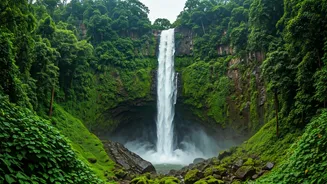
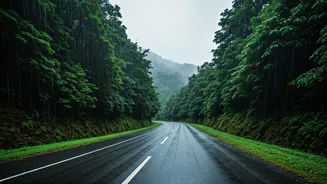
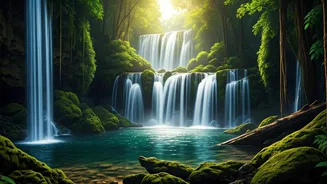
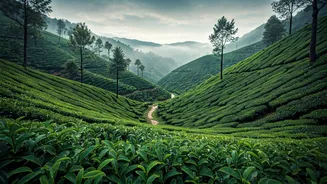
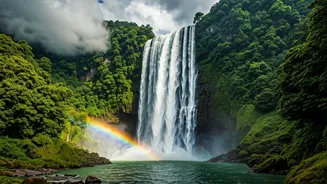
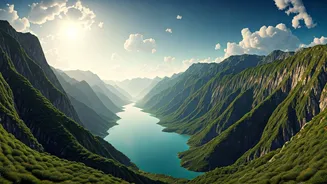
The “flex” of Meghalaya isn’t about a single, static landmark like a mountain or a canyon. It’s about a dynamic, seasonal transformation. During the monsoon, the state doesn't just have waterfalls; it *is* waterfalls. Driving along the winding roads, you’ll see countless unnamed cascades pouring over emerald-green cliffs, feeding a network of turquoise rivers below. The air is thick with mist and the constant, percussive sound of falling water. This isn’t a place you visit to check a single waterfall off a list. It’s an immersive experience where the environment itself feels alive, breathing, and roaring. The clouds hang so low they weave through the valleys, periodically parting to reveal another cascade tumbling into a gorge hundreds of feet below. It’s a powerful, humbling display of nature’s raw energy.
The Heavyweights: Titans of Water
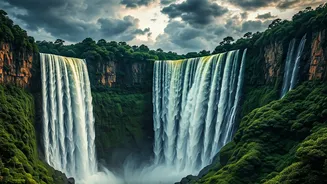
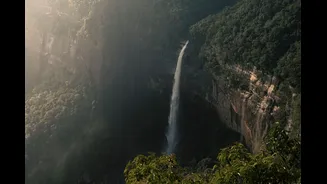
While impromptu waterfalls are everywhere, Meghalaya also boasts some of India’s most famous and dramatic cascades. The undisputed champion is Nohkalikai Falls, the tallest plunge waterfall in the country. Here, a river flows placidly across a plateau before abruptly dropping nearly 1,115 feet in a single, unbroken stream into a deep, turquoise pool. Its beauty is tied to a somber Khasi tribal legend of a woman named Likai, adding a layer of poignant history to its grandeur. Not far away are the Nohsngithiang Falls, more famously known as the Seven Sisters Falls. As the name suggests, it’s a series of seven distinct streams of water that plummet side-by-side over the edge of a wide limestone cliff. During peak monsoon, they merge into a single, thunderous curtain of water, a sight that defines overwhelming power and scale.
More Than Just the Falls
What makes the Meghalayan experience so profound is that the waterfalls are part of a larger, interconnected ecosystem of natural wonders. The same moisture that feeds the falls allows the local Khasi and Jaintia people to practice their centuries-old bio-engineering: the living root bridges. By guiding the roots of rubber trees across rivers and gorges, they create sturdy, living structures that grow stronger over time. Trekking to these bridges, often through misty rainforests, is an integral part of the journey. The entire trip becomes a highlight reel of otherworldly sights: the impossibly green hills, the mysterious caves carved by water, and the surreal experience of standing on a bridge made of living roots while a waterfall roars in the distance. The waterfalls aren’t just a feature; they are the heart of a vibrant, living landscape.