

Moving Beyond the Buffet
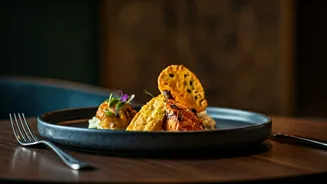
For decades, the American understanding of Indian food was largely shaped by a restaurant menu that felt set in stone: chicken tikka masala, saag paneer, and garlic naan. While delicious, these dishes represent a tiny, often Anglicized fraction of a subcontinent's
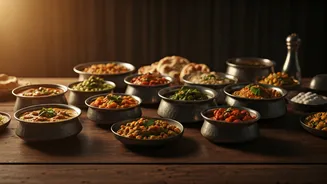
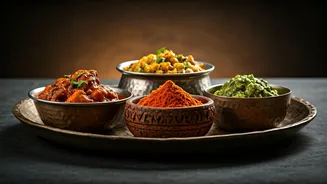
vast culinary landscape. They are the diplomatic ambassadors of Indian cuisine, designed to be rich, impressive, and palatable to a Western audience. But they are rarely what Indian families eat day-to-day. Enter the home-style cooking movement. This trend champions the everyday meals that fuel households across India and its diaspora—dishes that are often simpler, lighter, and more regionally specific. It’s the food of comfort and necessity, not special occasions. We're talking about humble lentil soups (dal), nourishing rice and lentil porridges (khichdi), and an endless variety of vegetable preparations (sabzis) that change from season to season and from one state to the next. This is the food that tells a story of place, family, and daily ritual.
The New Guard of Food Storytellers
This shift isn’t happening in a vacuum. It’s being driven by a new generation of Indian-American chefs, authors, and content creators who are using social media and modern cookbooks to reclaim their culinary narrative. Writers like Priya Krishna, with her breakout cookbook “Indian-ish,” celebrated the hybrid reality of growing up with Indian flavors in an American kitchen. Her work for publications like The New York Times and Bon Appétit has continued to push simple, accessible Indian dishes into the mainstream.
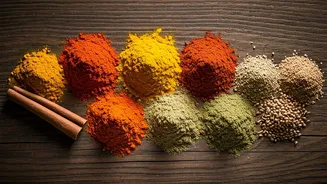
On platforms like Instagram and TikTok, creators like Hetal Vasavada of Milk & Cardamom and Zheelicious are gaining massive followings not by recreating complex restaurant fare, but by sharing the secrets to a perfect tadka (the sizzling, spiced oil that finishes many dishes) or demonstrating the muscle memory required to roll a perfectly round roti. They are part storytellers, part educators, demystifying a cuisine that has often been perceived as intimidatingly complex. Their content is personal, filled with family anecdotes and practical tips that make viewers feel like they’re learning from a friend, not a formal instructor.
What's Actually on the Menu?
So what are the new heroes of the Indian food feed? At the top of the list is dal. In its many forms—from the creamy, buttery dal makhani to the simple, soupy toor dal of a weekday lunch—lentils are having a major moment. They are inexpensive, nutritious, and infinitely adaptable, making them the perfect entry point for home cooks.
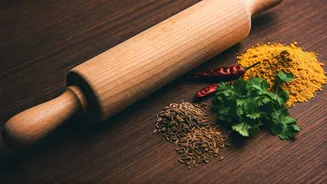
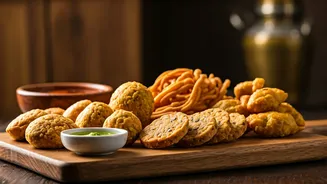
Then there's the universe of Indian breads beyond naan. Social media is awash with tutorials for making soft, pliable roti and chapati, the whole-wheat flatbreads that are a staple in North Indian homes. We're also seeing an embrace of regional specialties that rarely make it to restaurant menus: the savory yogurt-and-chickpea-flour stew known as kadhi, the tangy South Indian soup rasam, and countless hyperlocal vegetable dishes that highlight the diversity of India's produce. These dishes showcase a lighter, more vegetable-forward side of Indian cooking that aligns perfectly with modern wellness trends.
The 'Why Now' Factor
Several forces have converged to make this moment possible. First, a generation of second- and third-generation Indian Americans is coming of age and seeking a deeper connection to their heritage through food. They are looking past the simplified narratives of their youth to explore the specific culinary traditions of their families.
Second, social media has democratized food media. Creators no longer need the validation of a legacy publication to build an audience. A phone, good lighting, and a compelling story are enough to turn a home kitchen into a broadcast studio, allowing authentic voices to bypass traditional gatekeepers. Finally, the pandemic-induced boom in home cooking pushed Americans of all backgrounds to become more adventurous in their own kitchens. Having mastered sourdough, they were ready for their next challenge—and the comforting, soulful flavors of home-style Indian food provided the perfect answer.