




From Desert Hues to Emerald Green
For much of the year, Udaipur—India’s famed “City of Lakes”—shimmers under an intense sun. Its magnificent marble palaces reflect off the placid, and sometimes receding, waters of its man-made lakes, while the surrounding Aravalli Hills stand as stoic,
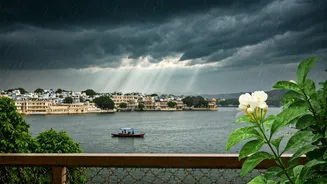
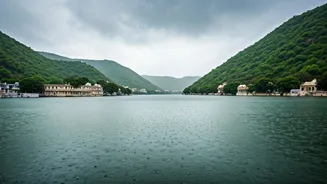
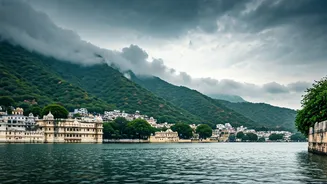
khaki-colored guardians. But from July to September, a dramatic transformation occurs. The first monsoon clouds gather, heavy and grey, and the sky finally breaks. The rain doesn’t just fall; it breathes life back into the landscape. Within weeks, the parched hills explode into a vibrant, impossible green. The city’s network of lakes—the iconic Pichola, the sprawling Fateh Sagar—begin to swell, their edges creeping higher up the ghats, reclaiming their territory. This is not just a change in weather; it’s a city-wide rebirth, a collective sigh of relief felt from the ancient stones to the bustling bazaars.
Reflections on a Water Palace
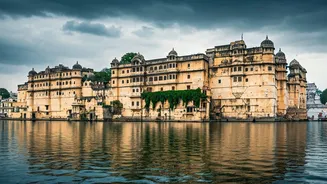
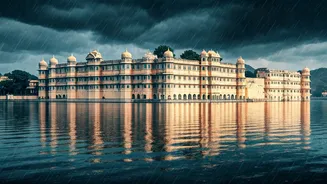
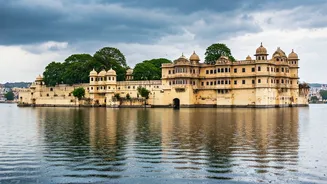
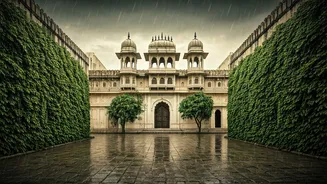
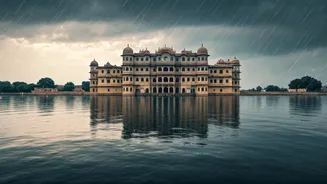
Nowhere is this transformation more enchanting than at the City Palace, the colossal complex that has watched over Lake Pichola for centuries. From its ornate balconies and latticed *jharokhas* (windows), the view is utterly changed. The sky is a moody canvas of grey and silver, and the rain falls in soft sheets, creating a gentle percussion on marble courtyards that have been silent for months. Below, the Lake Palace and Jag Mandir—two ethereal island palaces—appear to float not on water, but on a shimmering sheet of mercury. The reflections are deeper, the colors more saturated. A boat ride, once a simple tourist activity, becomes a pilgrimage across a moody, atmospheric seascape. The cool mist on your face and the sight of ancient havelis draped in rain-soaked bougainvillea create a sense of timeless romance that feels worlds away from the desert heat.
A Feast for the Senses
The magic of monsoon Udaipur isn't just visual; it's a full sensory immersion. The first downpour releases petrichor, the intoxicating scent of rain hitting dry earth, a smell that signals joy across India. It’s the season when peacocks, India’s national bird, are at their most resplendent, their haunting calls echoing through the newly lush gardens. The culinary landscape shifts, too. Street-side stalls do a roaring trade in monsoon specialties. The air fills with the aroma of *bhutta* (corn on the cob) being roasted over hot coals and sprinkled with lime and spices. The sizzle of batter hitting hot oil is the sound of *pakoras*—vegetable and onion fritters—being prepared, the perfect crunchy, savory companion to a steaming glass of masala chai. This isn't just comfort food; it's a celebration of the season, a way to savor the coziness that the rain brings.
Embracing the Downpour
While many travel destinations wind down during their rainy season, Udaipur comes alive. The locals celebrate the return of water, and a palpable energy fills the air. It’s the perfect time to find a quiet rooftop café overlooking the lakes, order a coffee, and simply watch the weather roll in. The crowds are thinner than in the peak winter season, allowing for a more intimate experience with the city’s landmarks. You can wander through the winding lanes of the old city, where the rain washes the pastel-colored walls clean, and duck into artisan shops selling leather-bound journals and miniature paintings. The rain encourages a slower pace, a chance to appreciate the details: the intricate patterns of a drenched mosaic, the gurgle of water flowing through ancient drains, the feeling of being part of a city completely in its element.