

More Than Just a Wrapper
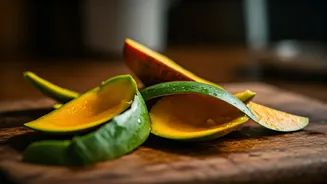
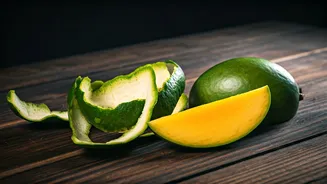
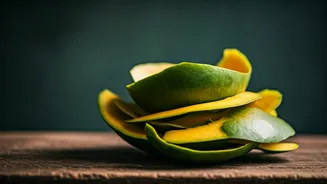
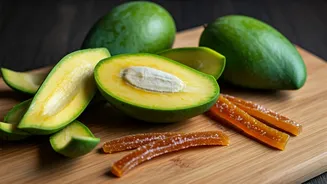
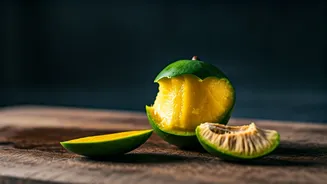
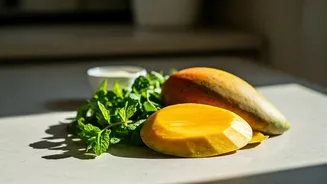
We're conditioned to see fruit peels as packaging, but in the case of the mango, the skin is a nutritional powerhouse. It's packed with significantly more fiber, antioxidants, and vitamins than the flesh itself. Mango peels are rich in polyphenols and carotenoids,
which are compounds linked to fighting cellular damage. They also contain a healthy dose of vitamins C and E. From a culinary perspective, the flavor is complex and exciting. While the exact taste varies by mango variety, the peel generally offers a firm, slightly chewy texture with a tart, astringent, and sometimes subtly bitter flavor that can beautifully balance the sweetness of the fruit. Think of it like the zest of a lemon or lime—a concentrated burst of character that can elevate a dish from good to great.
First, A Note on Safety
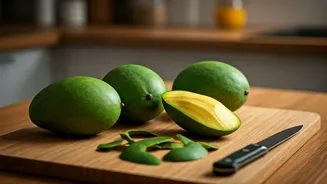
Before you start chomping on mango skins, there are two important considerations: pesticides and potential allergies. To minimize pesticide residue, always opt for organic mangoes when you plan to eat the peel. Regardless, a thorough wash is non-negotiable. Scrub the mango under cool running water with a vegetable brush before you cut into it. Some experts even recommend a brief soak in a solution of water and white vinegar (about three parts water to one part vinegar) for 15-20 minutes, followed by a final rinse. Secondly, mango skin contains urushiol, the same compound found in poison ivy and poison oak that can cause an allergic reaction in sensitive individuals. If you have a known sensitivity or have ever had a rash from touching mango sap, it’s best to avoid the peel. If you're unsure, try a small test by rubbing a tiny piece of the clean peel on your inner wrist and waiting to see if any irritation develops.
From Trash to Treasure in the Kitchen
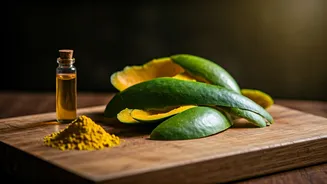
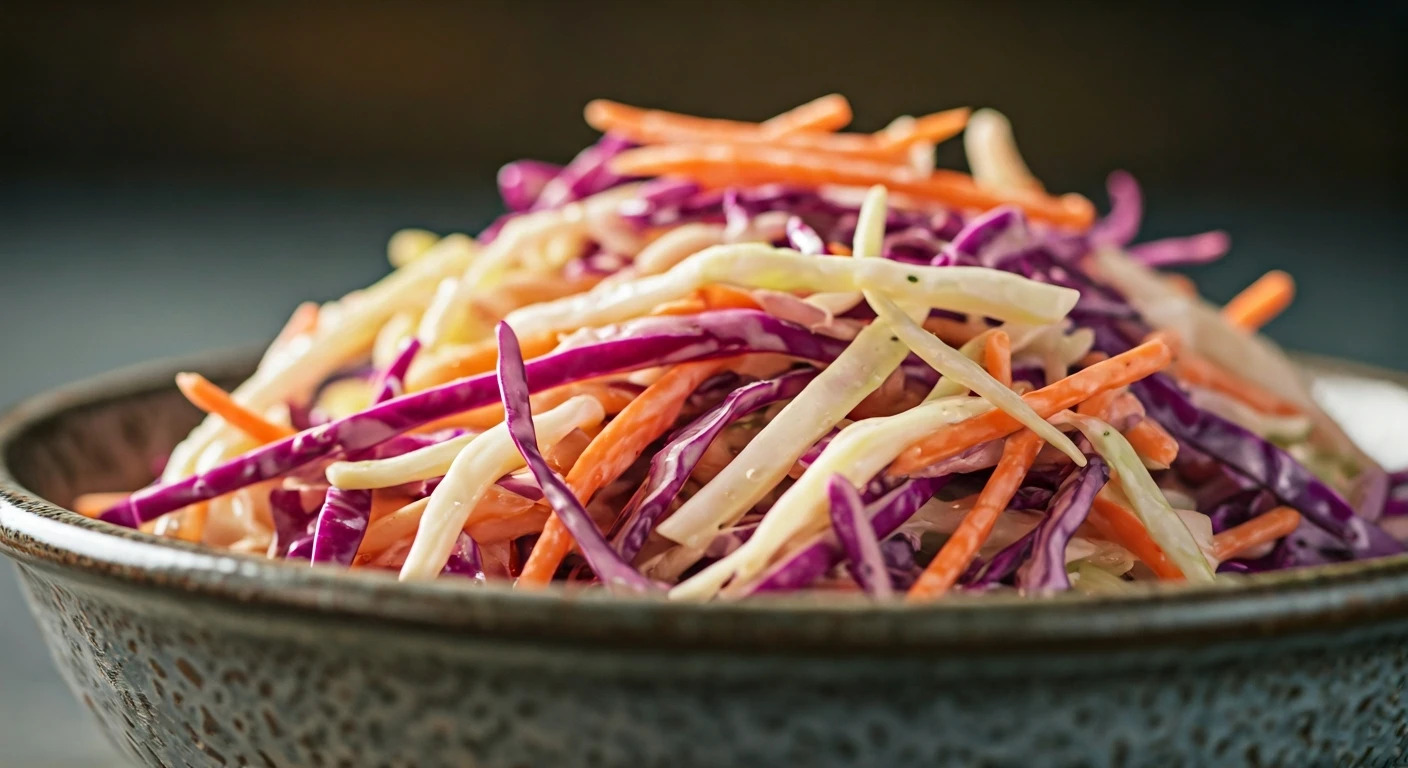
Once cleaned, raw mango peels can be used in a surprising number of ways. Their firm texture and bold flavor make them a versatile ingredient. For an easy start, finely julienne the peel and toss it into salads for a zesty crunch, much like you would use green papaya or cabbage. The tartness cuts through rich dressings and adds a bright, tropical note. Another fantastic use is in smoothies. If you have a high-powered blender, adding the peel along with the mango flesh introduces fiber and a tangy counterpoint to the sweetness. You can also create a flavorful powder by dehydrating the peels (in a dehydrator or the oven on its lowest setting until brittle) and grinding them in a spice grinder. This 'mango peel powder' can be sprinkled over yogurt, oatmeal, or even used as a rub for fish or chicken.
A Simple Raw Mango Peel Pickle
One of the easiest and most satisfying ways to use raw mango peel is to make a quick pickle, a popular condiment in many parts of the world. This no-cook method highlights the peel's crunchy texture and tart flavor. Start by taking the peel from one large, firm, slightly underripe mango. Slice it into very thin, matchstick-like strips. Place the strips in a small bowl and add a generous pinch of salt, the juice of half a lime, and a sprinkle of chili powder or red pepper flakes for heat. You can also add a pinch of turmeric for color and earthy flavor. Toss everything together until the peels are well-coated. Let the mixture sit at room temperature for at least 30 minutes to allow the flavors to meld and the peels to soften slightly. The result is a zesty, spicy, and tangy condiment that is fantastic alongside grilled meats, spooned over rice and beans, or used as a topping for tacos.