



What 'Full-Spectrum' Actually Means
Let’s cut through the marketing jargon. At its core, “full-spectrum” light is an attempt to replicate the natural, balanced light of the sun. Think of sunlight as a complete meal for a plant, containing a rich mix of colors, or wavelengths. For years,
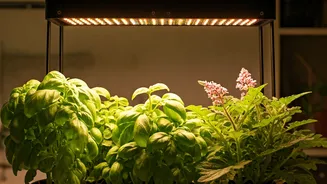
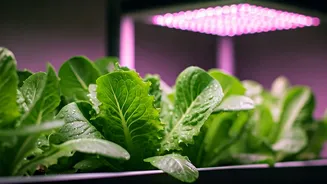
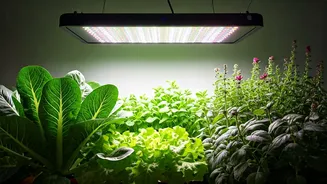
the prevailing wisdom in indoor growing was that plants only needed two main “food groups”: blue light for leafy, vegetative growth and red light for flowering and fruiting. This led to the rise of the infamous “blurple” lights, which cast a harsh, magenta-pink glow that made your living room look like a sci-fi laboratory and your plants look alien and discolored. Full-spectrum LEDs, by contrast, provide not just red and blue, but also the wavelengths in between, including green and yellow light. The result is a clean, natural-looking white light that’s as pleasant for you as it is beneficial for your plants.
The Slow Fade of the 'Blurple' Era
So, why were those jarring purple lights ever a thing? It was a decision based on early research and efficiency. Scientists identified the peaks of chlorophyll absorption in the red and blue parts of the spectrum and, in the early days of LED technology, it was most efficient to produce diodes that only emitted those specific colors. Why waste energy on green light if plants just reflect it? (Spoiler: they don’t.) For a while, it worked well enough. Commercial growers and hobbyists saw results, and the lights were relatively powerful for their energy use. But anyone who lived with them knew the downsides. It was impossible to actually enjoy the sight of your plants, and more importantly, it was incredibly difficult to spot problems like pests, mildew, or nutrient deficiencies when everything was bathed in a deep magenta haze. The “blurple” era was functional, but it was far from ideal.
More Than Just Photosynthesis
The shift to full-spectrum isn't just about aesthetics; it's about better science. We now understand that those “in-between” colors like green and yellow light, once dismissed as useless, play a crucial role in plant health. While a plant’s upper leaves absorb a lot of red and blue light, green light is able to penetrate deeper into the plant’s canopy, delivering energy to lower leaves that would otherwise be shaded. This leads to fuller, healthier, and more robust growth overall. Furthermore, a balanced spectrum that includes far-red light can influence plant morphology—things like stem length, leaf size, and flowering triggers. By providing a light source that more closely mimics the sun, you’re giving your plants the complex signals they evolved to expect, resulting in more natural and vigorous development.
The Human-Friendly Advantage
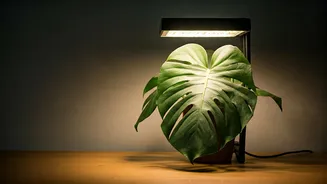
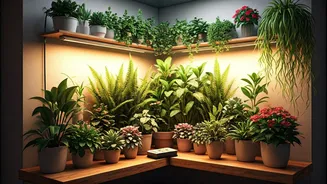
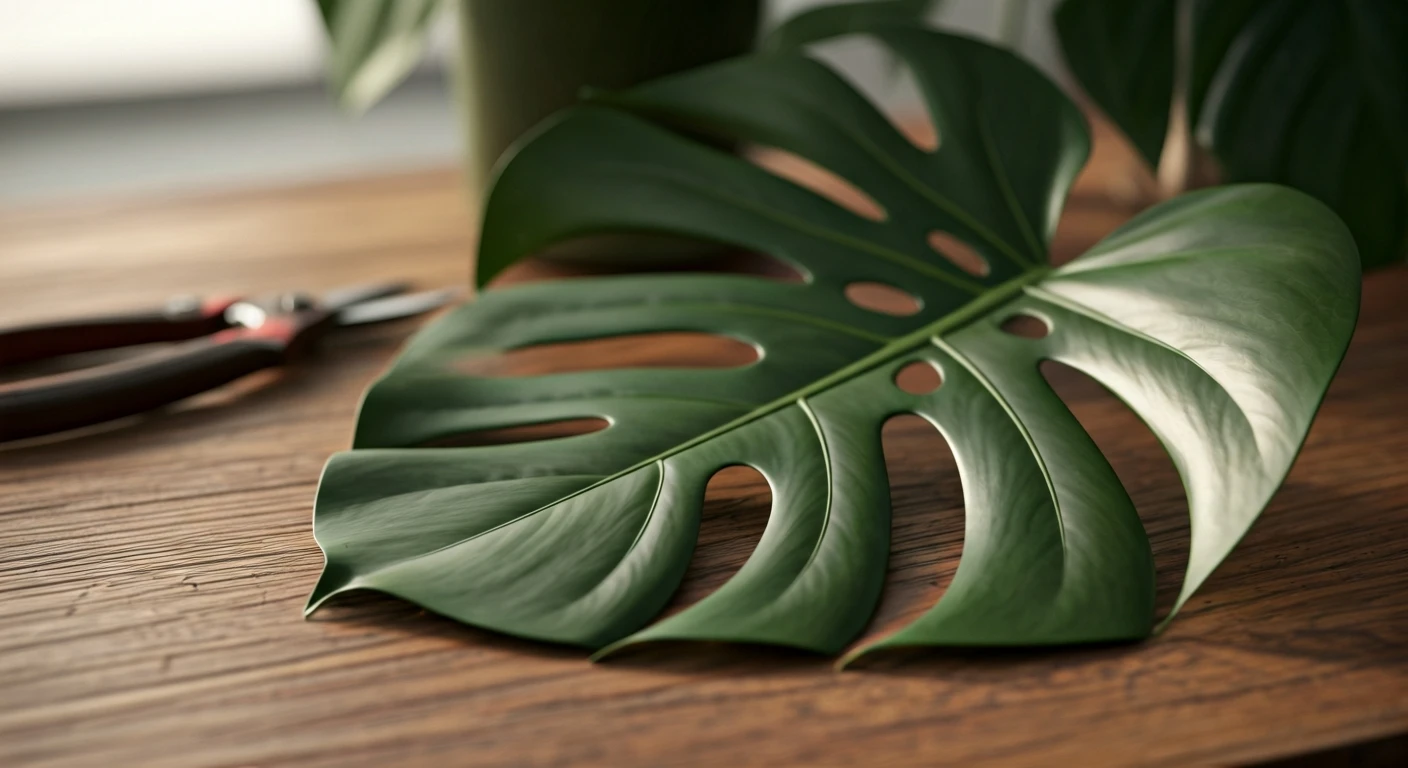
Here's where the real “flex” comes in. A full-spectrum LED setup doesn’t just grow great plants; it integrates beautifully into your home. Your monstera’s deep green leaves look like deep green leaves. The delicate variegation on your calathea is crisp and clear. You can actually see and appreciate the botanical collection you’ve spent so much time curating. This visual clarity is also a massive practical advantage. When your plants are illuminated by clean, white light, you can spot the first signs of spider mites, thrips, or powdery mildew at a glance. You can accurately judge leaf color to diagnose a nitrogen deficiency. Your indoor garden stops being a hidden science experiment and becomes a living, breathing part of your home decor—one that you can properly care for and proudly display.