






Wait, What Is Breathwork?
Before you dismiss it as just… breathing, let's clarify. Breathwork refers to any therapy or practice that uses conscious, controlled breathing to influence a person's mental, emotional, or physical state. It’s not the passive, automatic breathing you’re
doing right now. This is active, intentional, and often follows specific patterns. Think of it as the difference between casually walking and training for a marathon. The core activity is the same, but the intention, technique, and outcome are worlds apart. Popular styles range from the simple and accessible, like 'box breathing' (inhale for four, hold for four, exhale for four, hold for four), to more intense, guided experiences like the Wim Hof Method, which combines cold exposure and specific breathing techniques, or Holotropic Breathwork, a powerful practice designed to induce altered states of consciousness for emotional healing. At its core, it's about using the one physiological function you can consciously control to regulate your nervous system.
From Ancient Ritual to A-List Trend
The idea of using breath to alter consciousness is anything but new. It's a cornerstone of ancient practices like yoga (pranayama) and various forms of meditation. What *is* new is its packaging. Breathwork has been extracted from these spiritual contexts, streamlined for a secular wellness market, and branded as a high-performance tool for modern life. It promises the benefits of meditation—stress reduction, increased focus, emotional clarity—but with a more active, tangible process that can feel more accessible to those who find sitting still to be a challenge. Its recent surge in popularity is fueled by a perfect storm of celebrity endorsements (from Justin Bieber to Gisele Bündchen), high-profile wellness gurus, and the endless quest for self-optimization. It has become the perfect wellness hack for a culture obsessed with efficiency: a powerful experience that can be delivered in a 60-minute class or a weekend retreat.
The 'Flex' Factor Explained
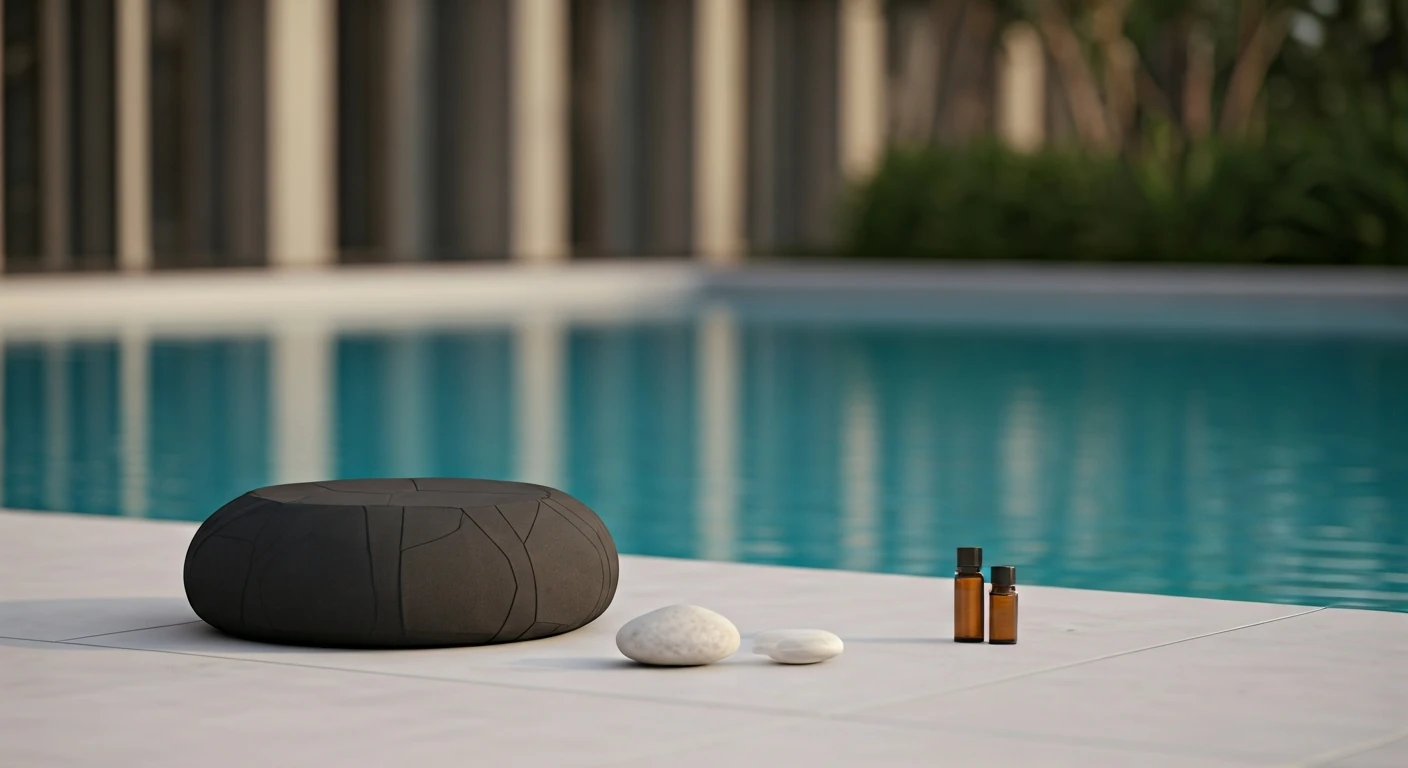
So why is it a “flex”? Because in the current wellness economy, dedication is the new currency. Tending to your inner state has become a performance. Posting from a breathwork class at a sun-drenched, exclusive resort signals more than just a vacation; it signals discipline, investment in the self, and access to elite experiences. It says, “I’m not just relaxing; I’m actively working on myself.” Attending a guided session with a famous instructor can cost hundreds of dollars. Weekend-long retreats run into the thousands. This price barrier automatically turns a simple, free human function into a luxury good. When someone posts a photo of themselves, eyes closed in blissful concentration by an infinity pool, they’re communicating a commitment to a lifestyle where self-care is a serious, and often expensive, pursuit. It’s the subtle, 21st-century evolution of conspicuous consumption.
Beyond the Instagram Post
But it would be a mistake to write off breathwork as just another fleeting trend for the wealthy. The reason it has such staying power—and the reason it’s worth paying attention to, even if you’re nowhere near a resort—is that it often works. Practitioners report profound experiences, from cathartic emotional releases to a deep sense of calm and connection. For many, it's a powerful tool for managing anxiety and processing stress in a way that talk therapy or medication might not fully address. The poolside setting may be what gets it noticed, but the tangible effects are what keep people coming back. The practice provides a direct line to the autonomic nervous system, giving people a sense of agency over their body’s stress response. In a world that feels increasingly chaotic and out of our control, the ability to regulate your own internal state is a genuine superpower, regardless of whether anyone is watching.