





The End of the 'Super-Size Me' Era
Remember when the ultimate sign of a good deal was a pallet-sized box of cereal or a soda cup the size of a small bucket? That was the peak of 'value-size' culture, an ethos born from post-war abundance and perfected by big-box stores like Costco and Sam's
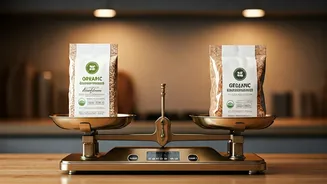
Club. The logic was undeniable: buying in bulk meant a lower price-per-unit. For a long time, this was the only equation that mattered. Companies trained us to equate quantity with value, and we happily obliged. This thinking dominated everything from grocery shopping to software suites, where massive, feature-bloated packages were sold as the default option, whether you needed all the features or not. But the foundation of that thinking is cracking. A convergence of economic, social, and personal factors is leading a growing number of consumers to reject the gospel of 'more' in favor of something more nuanced.
What 'Balance' Really Means to Shoppers
The preference for 'balance' isn't just about wanting less; it's about optimizing for a new set of priorities. First, there's the economic reality. With the rise of 'shrinkflation'—where packages get smaller for the same price—consumers have become rightfully suspicious of packaging. Many now see giant boxes as a way to hide a less-than-generous amount of product. They'd rather have an honestly priced, smaller package than feel tricked by a half-empty jumbo bag of chips. Second, health and wellness have become major drivers. The push for portion control is real. People are more conscious of sugar intake, calories, and food waste. A smaller, single-serving package of a treat is often perceived as a more responsible choice than a large bag that tempts overconsumption. Finally, sustainability is a powerful motivator. Consumers are increasingly aware of the environmental cost of excessive packaging. A smaller, more efficient package means less plastic, less cardboard, and a smaller carbon footprint, a trade-off many are now willing to make, even if it means sacrificing the bulk discount.
The Appeal of 'Just Right'
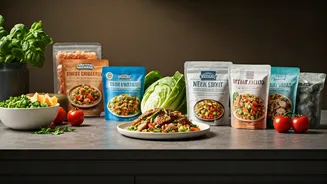
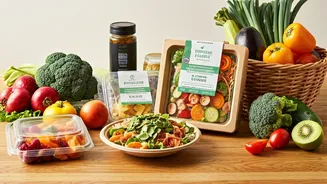
This movement goes beyond just shrinking physical goods. It represents a desire for curation and a rejection of clutter—both physical and digital. Think about the move away from massive, one-time-purchase software suites (like Microsoft Office in the old days) to nimbler, subscription-based, à la carte apps. People want to pay for only what they use. This same 'just right' philosophy explains the boom in meal kits like Blue Apron or HelloFresh. They don't offer the cheapest calories, but they solve a different problem: they provide precisely the amount of food needed for a specific meal, eliminating food waste and the mental burden of meal planning. In a world of overwhelming choice, consumers are showing they will pay for simplicity and precision. Balance, in this context, is about finding the sweet spot between having enough and being overwhelmed.
How Smart Companies Are Adapting
The smartest companies are already responding to this shift. The beverage industry, for example, has found huge success with smaller cans and bottles. Mini-cans of Coke or Pepsi are not cheaper per ounce, but they fly off the shelves because they cater to the portion-control and wellness trend. Snack companies now prominently feature 100-calorie packs, reframing the product not around value-size but around mindful indulgence. Even in the automotive world, there's a renewed interest in smaller, more efficient, and thoughtfully designed vehicles over sprawling SUVs that are difficult to park and expensive to fuel. These companies understand that the modern consumer's definition of 'value' has expanded. It's no longer a simple calculation of price per ounce. Today, value is a complex blend of price, convenience, quality, health impact, and ethical considerations.