
More Than Just Chaat
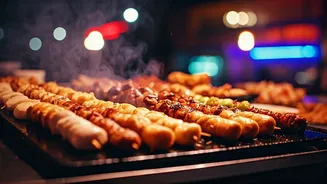
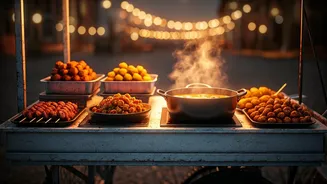
For decades, the script for a Delhi evening was beautifully predictable. As dusk settled, the air would fill with the sizzle of oil and the fragrant scent of spices as vendors set up their carts. The classics ruled: crispy, potato-stuffed samosas; tangy,
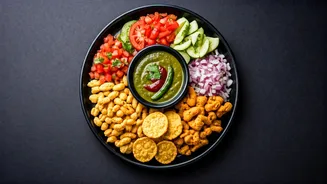
yogurt-drenched dahi bhalla; and the entire universe of chaat—a category of savory snacks that explodes with sweet, sour, spicy, and crunchy textures. These are the flavors woven into the city's DNA, the comforting culinary backdrop for generations of Delhiites. But to wander the city's arteries now is to witness a quiet revolution. While the beloved golgappa and aloo tikki stalls still draw long lines, they are increasingly joined by a new generation of vendors offering something different. The familiar rhythm of the street is being remixed with new ingredients, techniques, and a flair for the dramatic that caters to a younger, more globally aware palate.
The Instagram-Driven Evolution
So, what’s driving this change? In a word: aspiration. For a new generation of young Indians, food is not just sustenance; it’s an experience to be curated, photographed, and shared. The rise of Instagram and food blogging has created a powerful incentive for vendors to innovate. A simple, delicious samosa is one thing, but a 'pizza samosa' oozing with cheese or a 'makhani pasta samosa' is an entirely different, more clickable beast. This has given birth to a wild and wonderful world of fusion snacks. Think 'tandoori momos,' the Tibetan dumplings marinated in fiery yogurt masala and cooked in a clay oven until charred and smoky. Or consider 'kurkure bhutta,' corn on the cob slathered in spicy sauce and then rolled in crushed, crunchy Kurkure chips—a popular Indian snack similar to Cheetos. It's a collision of textures and cultures that is visually striking and utterly addictive, designed as much for the camera as for the mouth.
From Humble Cart to Food Hub
This innovation isn't just happening on lone street corners. The entire ecosystem of informal eating is transforming. Formerly nondescript market lanes in areas like Hudson Lane, near Delhi University's North Campus, or the Tibetan settlement of Majnu-ka-Tilla, have become veritable food hubs. Here, dozens of small cafes and kiosks compete to invent the next viral sensation. It’s a creative free-for-all, with menus boasting everything from chocolate-filled golgappas to French-fry-stuffed parathas. Even the presentation has been upgraded. Food is no longer just slapped onto a leaf plate. It’s served in custom-branded boxes, on miniature skillets, and in Mason jars. Food trucks, once a novelty, are now a common sight, offering specialized menus from gourmet burgers to Belgian waffles, providing a cleaner, more organized alternative to the traditional street cart. It’s a sign of a maturing market, where hygiene and branding are starting to matter just as much as taste.
A New Definition of 'Better'
To call these new snacks 'better' is, of course, subjective. For a purist, nothing can top the simple perfection of a well-made bowl of bhel puri. But 'better' in this context means more diverse, more ambitious, and more reflective of modern Delhi itself—a city that is deeply proud of its heritage but also restlessly looking forward. This new wave of snacks tells a story of globalization, of a rising middle class with disposable income, and of the creative hustle that defines urban India. The beauty of Delhi's food scene is that this is an expansion, not a replacement. The old-world vendors are still there, serving the timeless classics with practiced ease. But now, they share the sidewalk with newcomers who are deconstructing and reimagining what a snack can be. You can start your evening with a traditional papdi chaat and end it with a Nutella paratha, experiencing a century of culinary history in a single stroll.