
The Last-Chance Safari Window
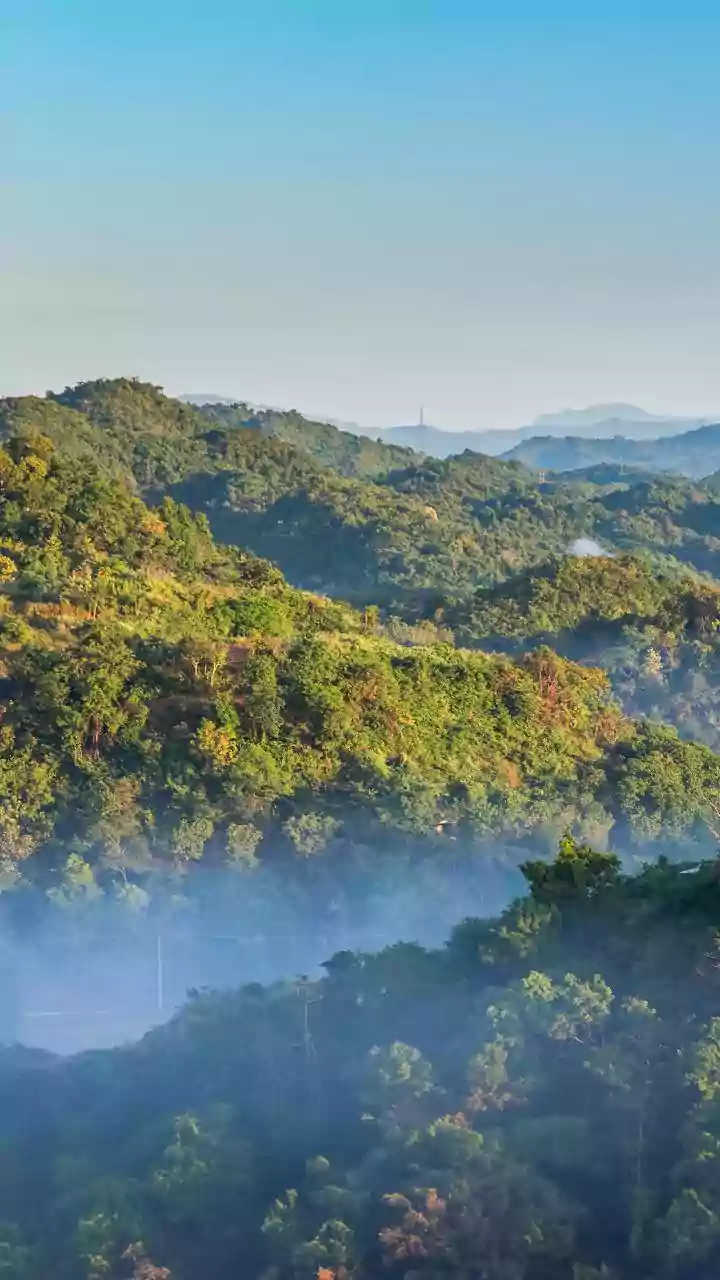
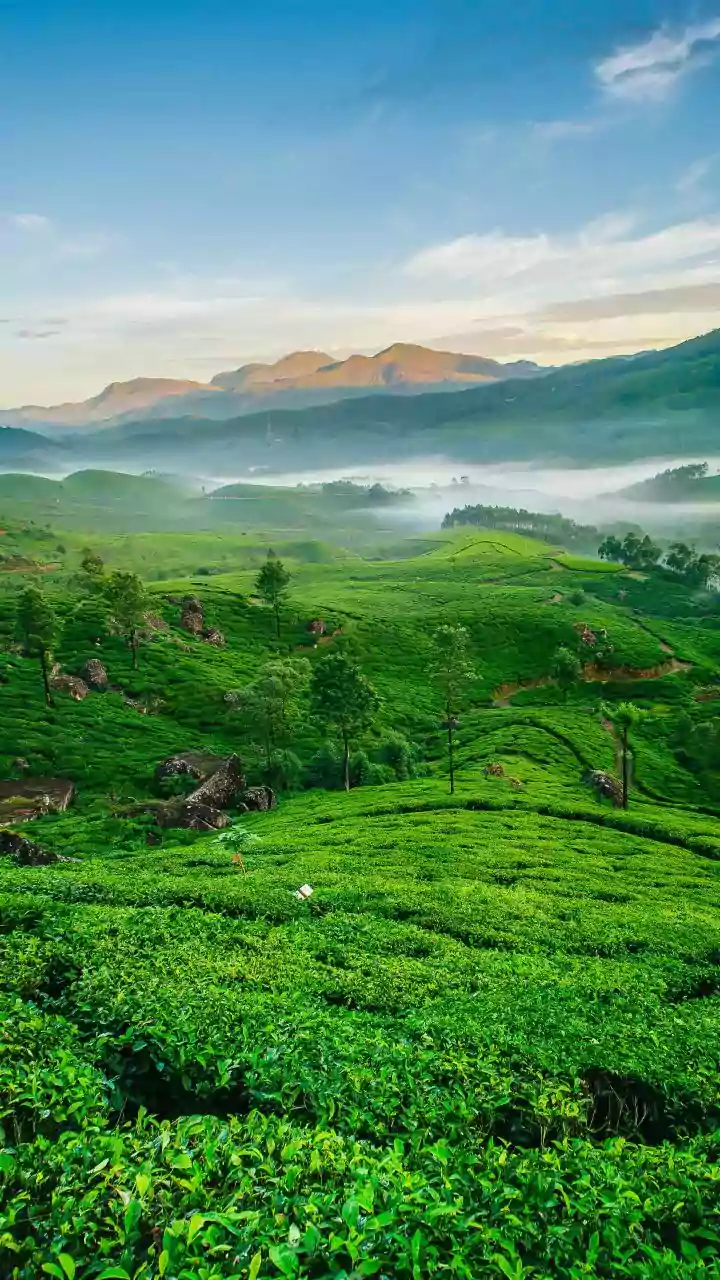
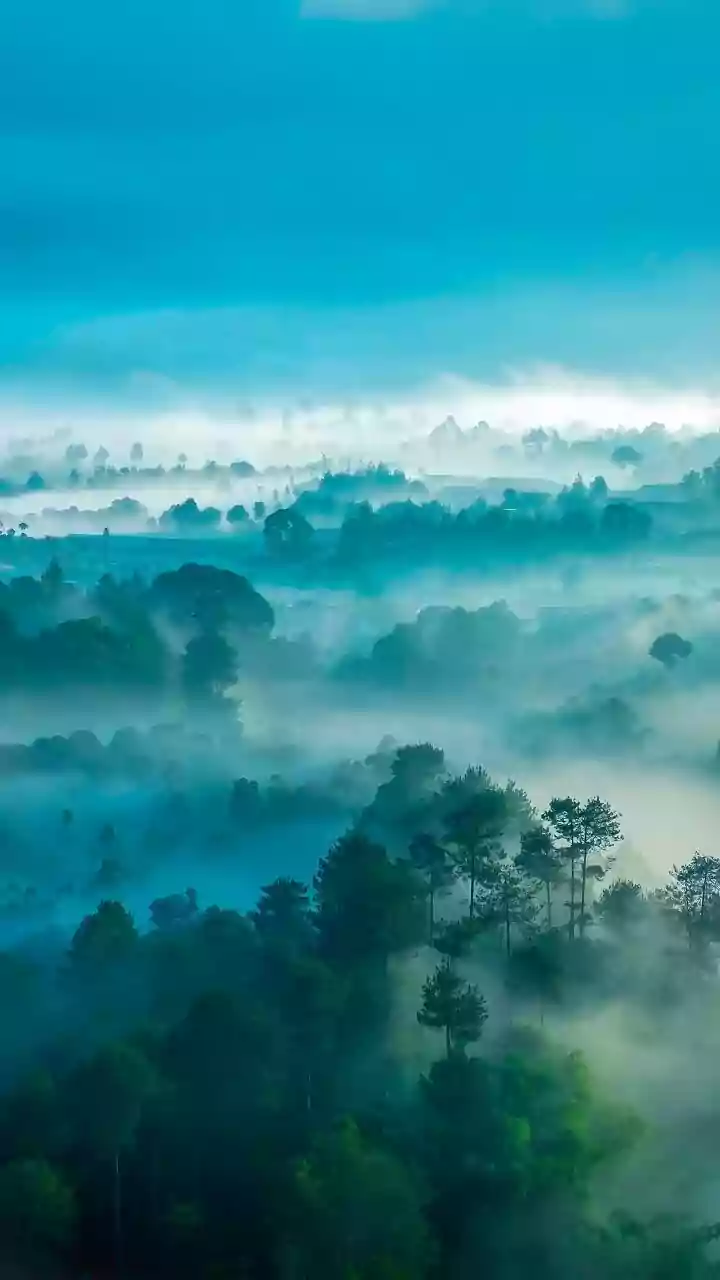
Every year, Gir National Park, a sprawling sanctuary in the Indian state of Gujarat, performs a breathtaking disappearing act. From June 16th until October 15th, the park closes its gates to visitors. The reason is the monsoon, the seasonal deluge of rain
that transforms the dry, dusty landscape into a lush, impassable jungle. This closure creates a unique and compelling opportunity for travelers: the first two weeks of June represent the grand finale of the safari season. It’s a final, fleeting chance to experience the park's raw beauty and witness its famous inhabitants before they retreat into the greenery brought by the rains.
Why June Heat Means Great Sightings
Visiting western India in June might sound daunting. It’s hot, with temperatures often soaring into the triple digits. But this intense pre-monsoon heat is precisely what makes the wildlife viewing so spectacular. As the landscape bakes under the sun, water sources become scarce. The park’s rivers shrink, leaving only a few precious waterholes. This scarcity forces animals of all kinds—from spotted deer and sambar to wild boar and nilgai (blue bull)—to congregate at these predictable locations. And where the prey gathers, the predators follow. The lack of dense foliage also means clearer lines of sight into the teak forest, dramatically increasing the odds of spotting the park's elusive cats.
Behold the Last Asiatic Lions
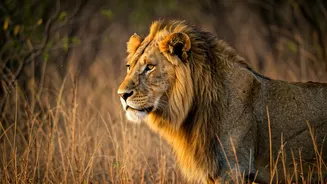
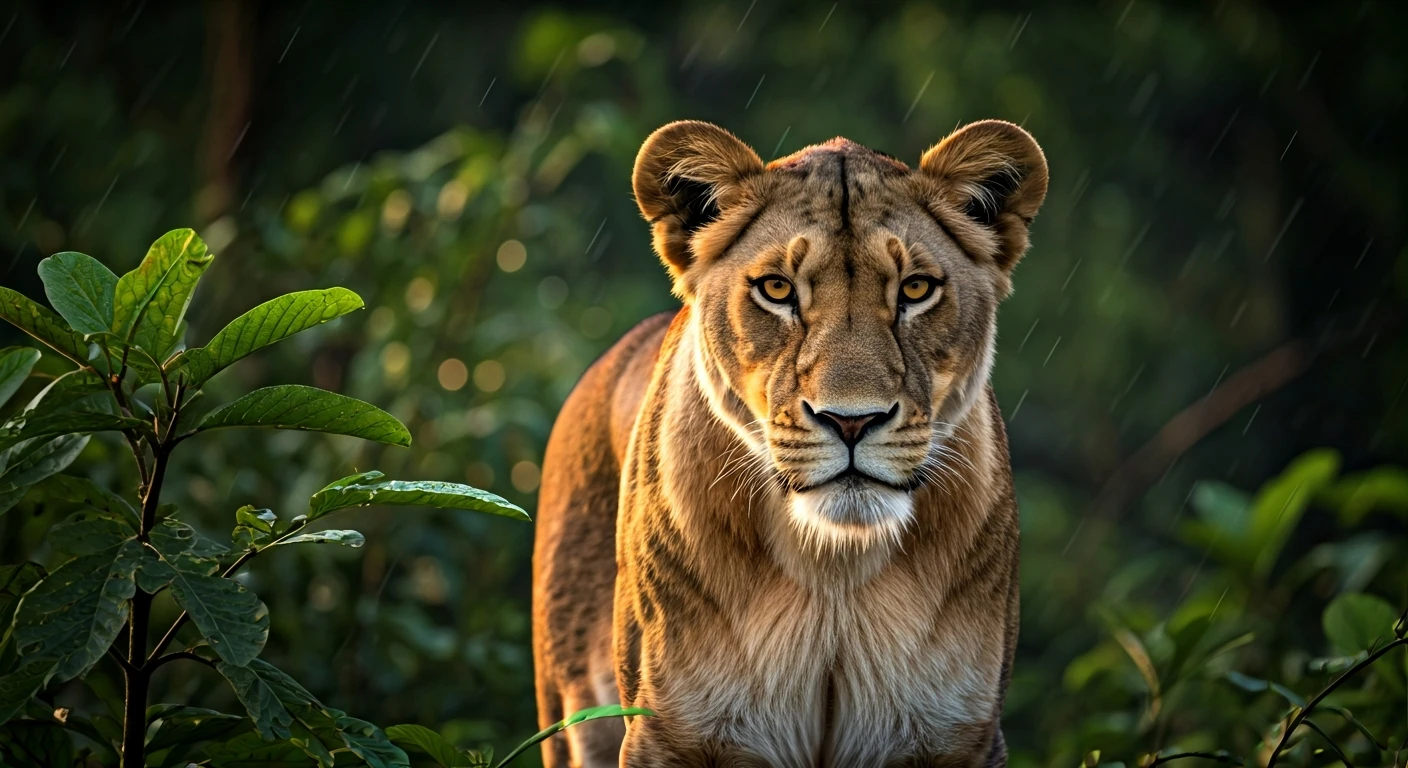
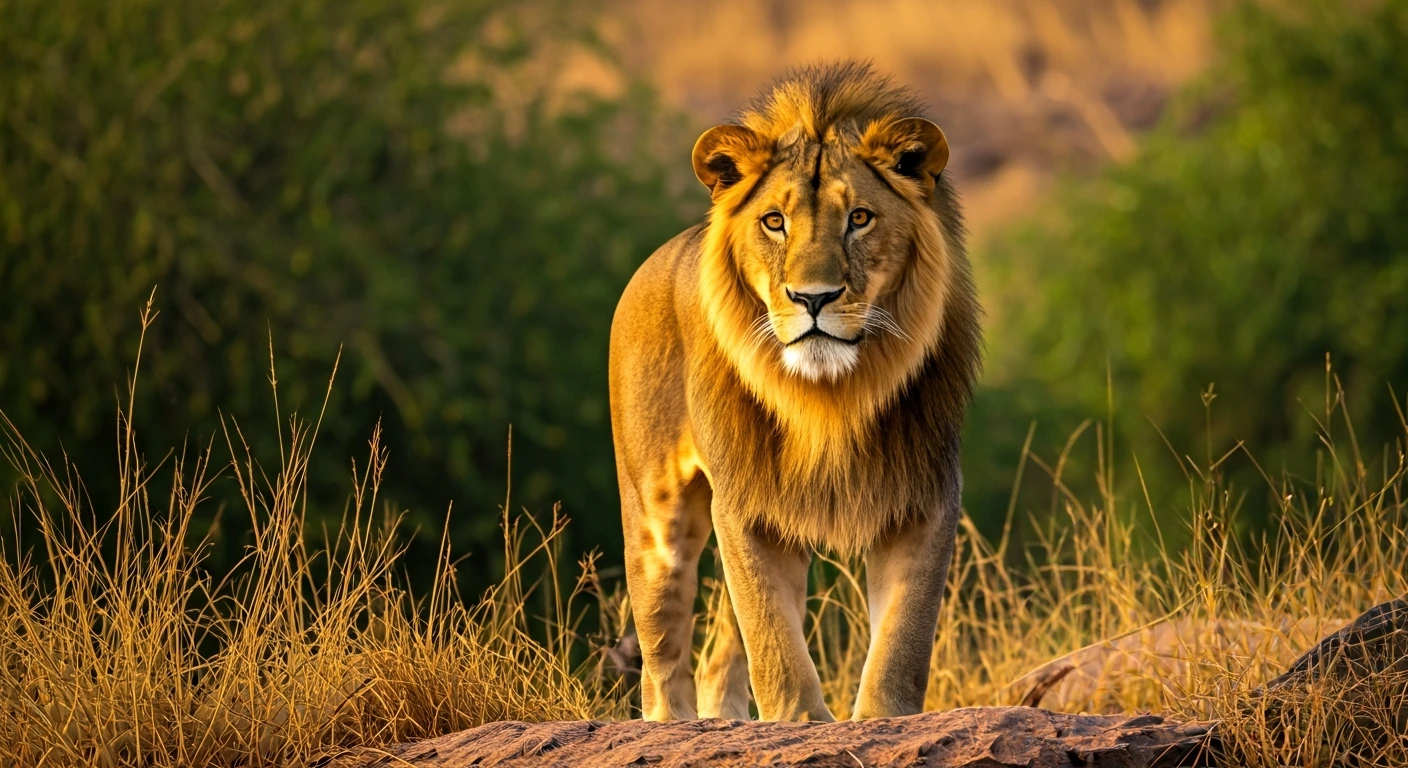
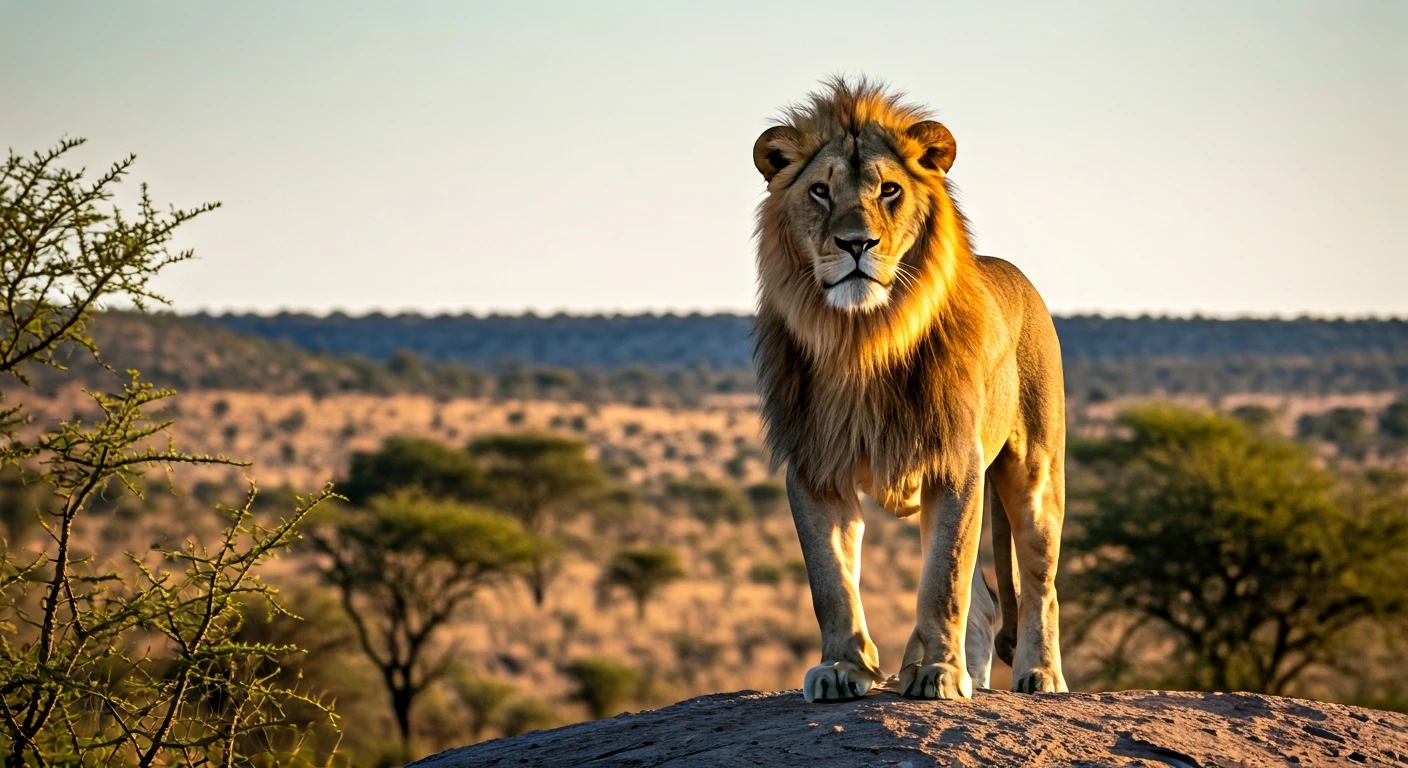
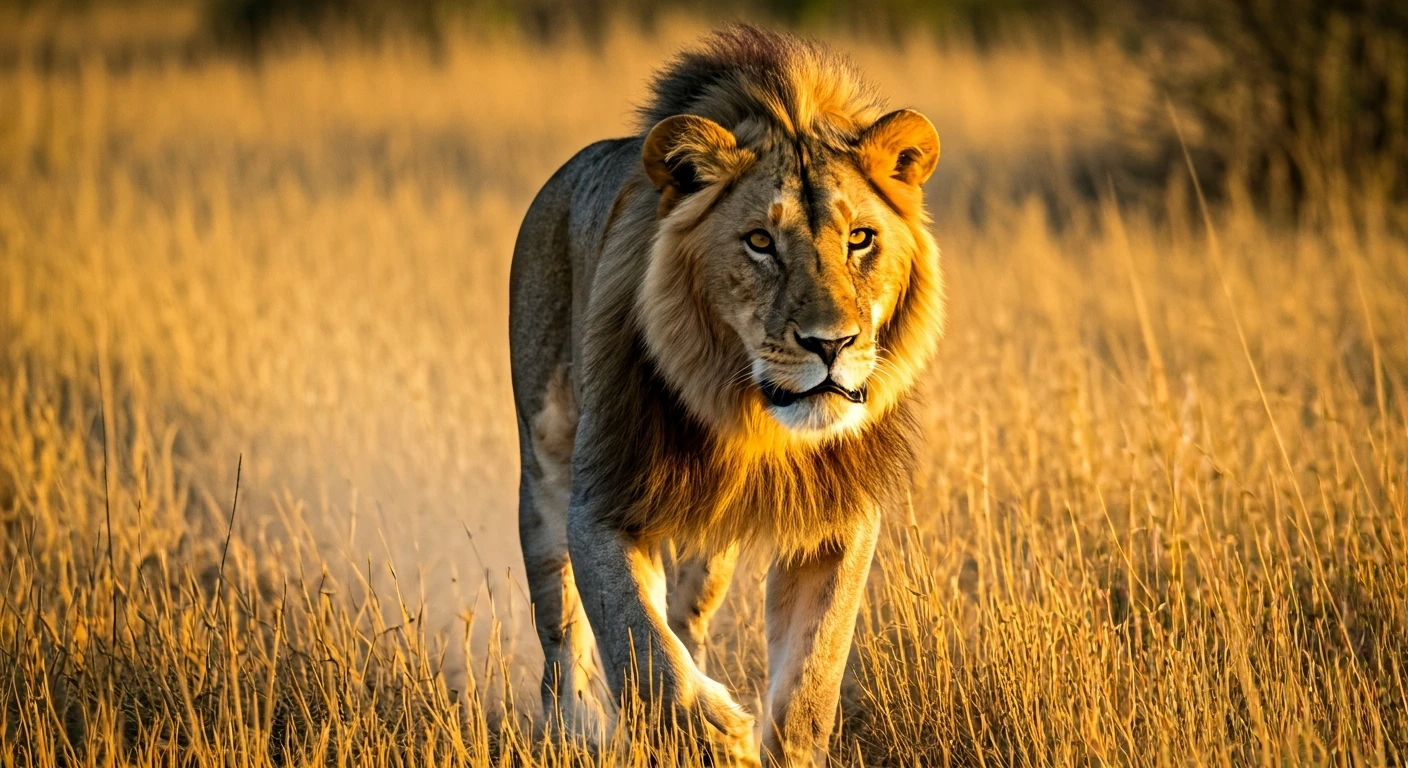
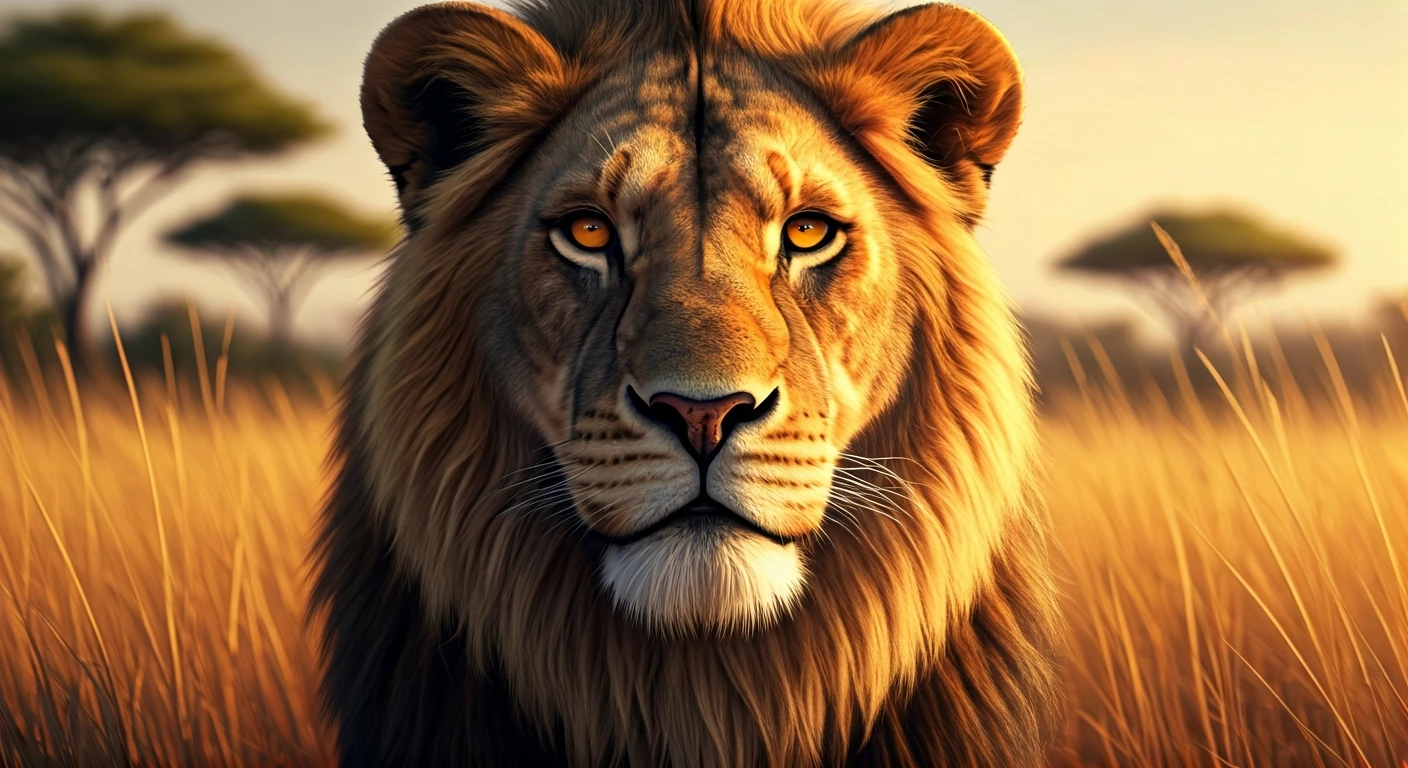
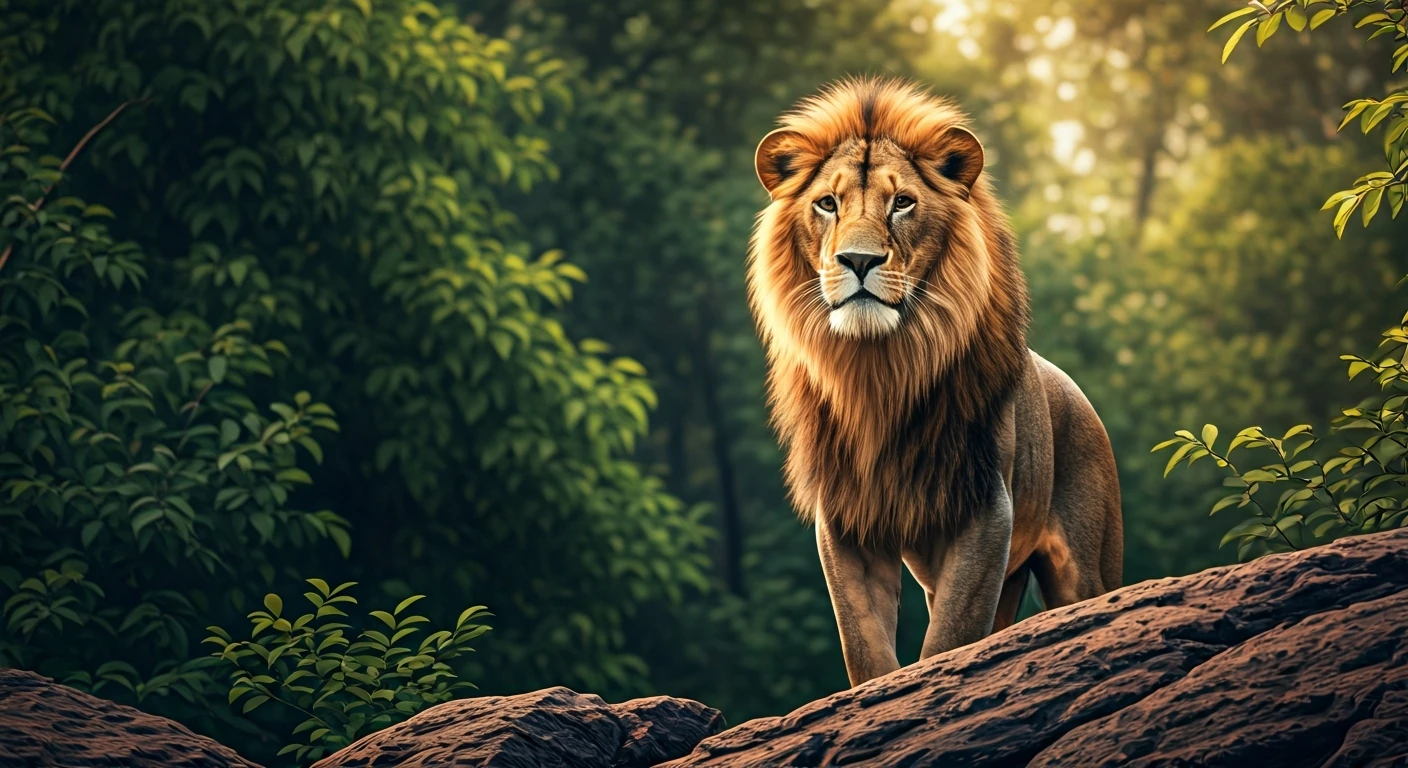
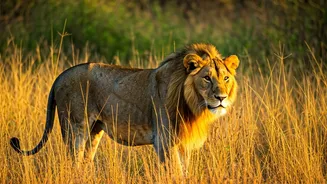
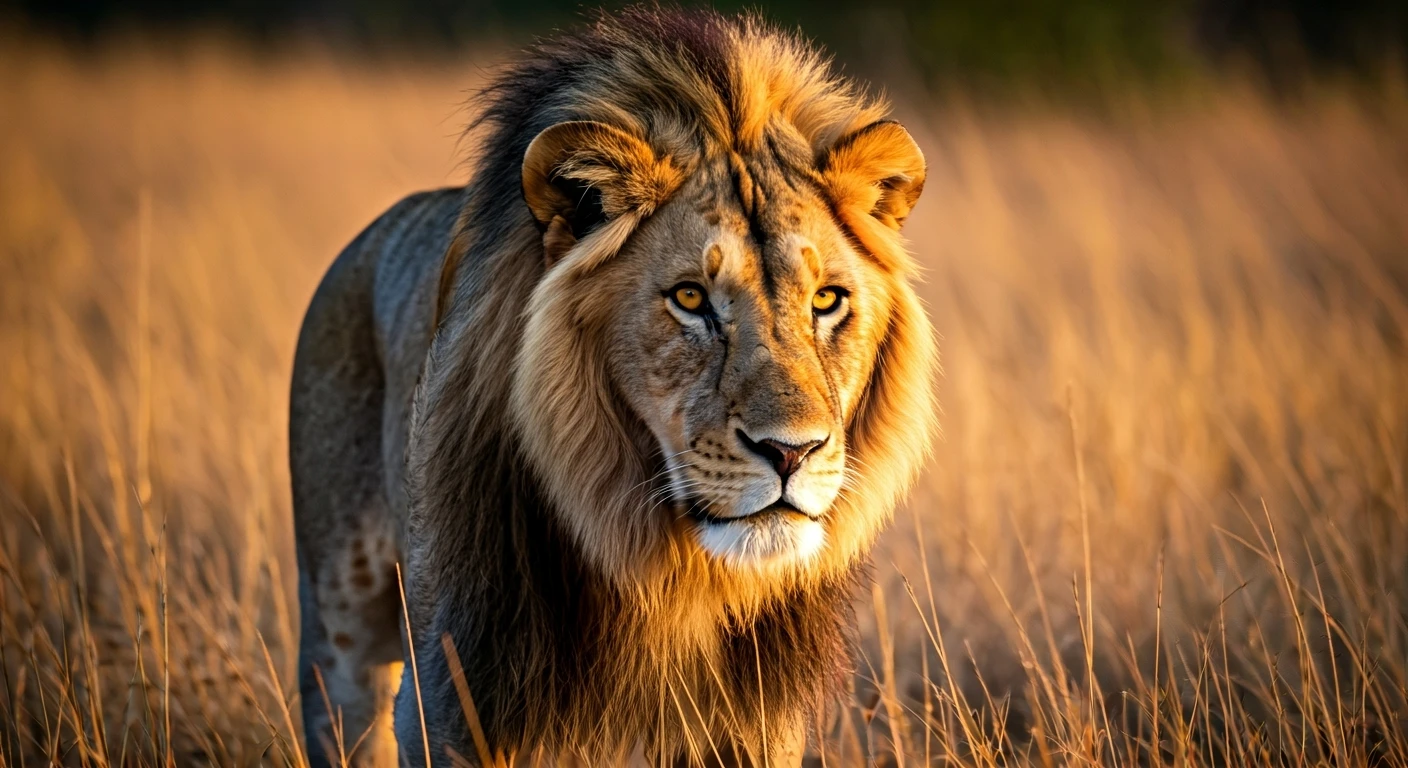
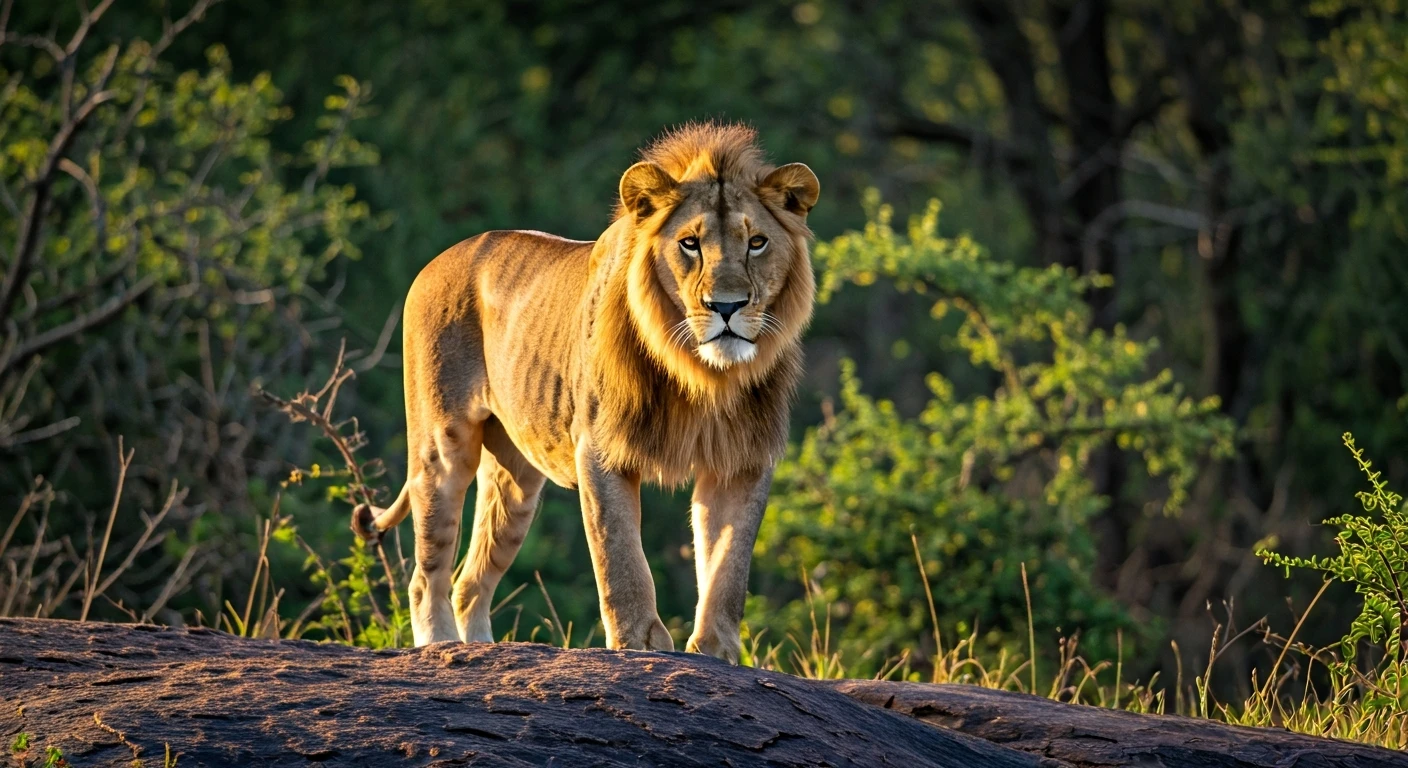
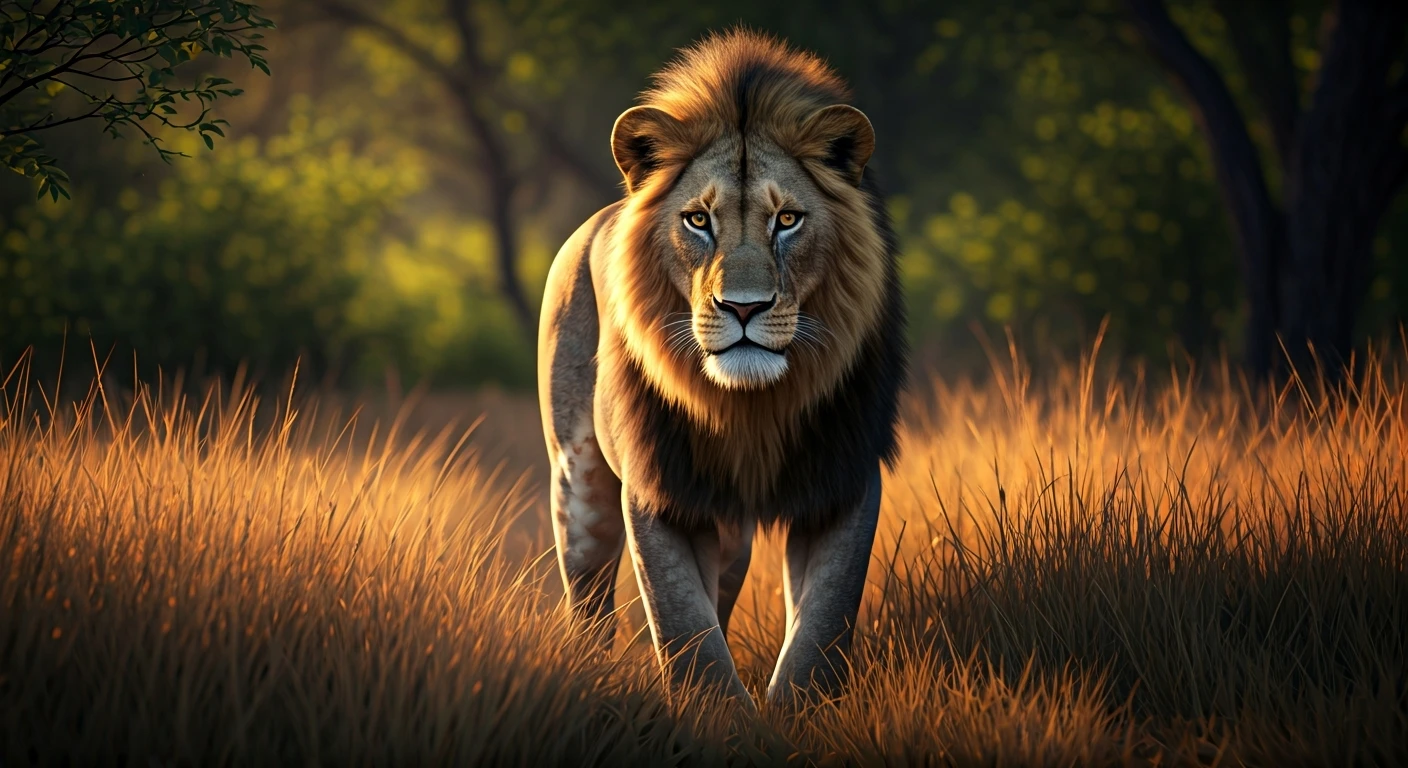
The undeniable main attraction of Gir is the majestic Asiatic lion. Once roaming across the Middle East and Asia, this subspecies now survives only here, in this one protected corner of the world. Seeing one is an unforgettable experience. Slightly smaller and shaggier than their African cousins, with a distinctive fold of skin on their belly, these lions are a conservation success story, having been brought back from the brink of extinction. In June, you are more likely to see them lounging near a water body, seeking relief from the heat or patiently waiting for an opportunity. A safari in Gir isn't just a spectacle; it's a chance to witness a living piece of natural history that exists nowhere else on Earth. Beyond the lions, Gir is also one of the best places in India to spot leopards, as well as crocodiles, jackals, and a stunning variety of birdlife.
How to Plan Your June Adventure
A trip to Gir requires some advance planning, especially for the popular June window. For American travelers, the journey typically involves flying into a major Indian hub like Mumbai or Delhi, followed by a domestic flight to a closer airport like Diu (DIU) or Rajkot (RAJ), and then a two-to-three-hour drive to the park. Safari permits are the most critical component. They must be booked online through the official Gujarat Forest Department website, and they sell out weeks, if not months, in advance. You must book a permit for a specific route and time slot (usually early morning or late afternoon). Given the June heat, the early morning safaris, which start before sunrise, are by far the most comfortable and active. Choose lodging that offers air conditioning—it will be a welcome respite after a dusty, exhilarating game drive.
Embrace the Elements
A June safari in Gir is not a sanitized, five-star luxury experience in the vein of some African lodges. It is a more rugged, authentic, and ultimately rewarding adventure. You’ll need to be prepared for the heat and humidity. Pack lightweight, breathable clothing in neutral colors, a wide-brimmed hat, sunglasses, and plenty of sunscreen. Hydration is non-negotiable, so carry water with you at all times. But the payoff for braving the conditions is immense: the chance to see a park on the cusp of a great transformation, where the drama of survival plays out in plain sight before the cleansing monsoon washes it all away.