


The Interstate vs. The Journey
For decades, the American road trip was defined by the Interstate Highway System—a marvel of engineering designed for one primary purpose: efficiency. These wide, straight, and often monotonous arteries are built to move people and goods from Point A to Point B
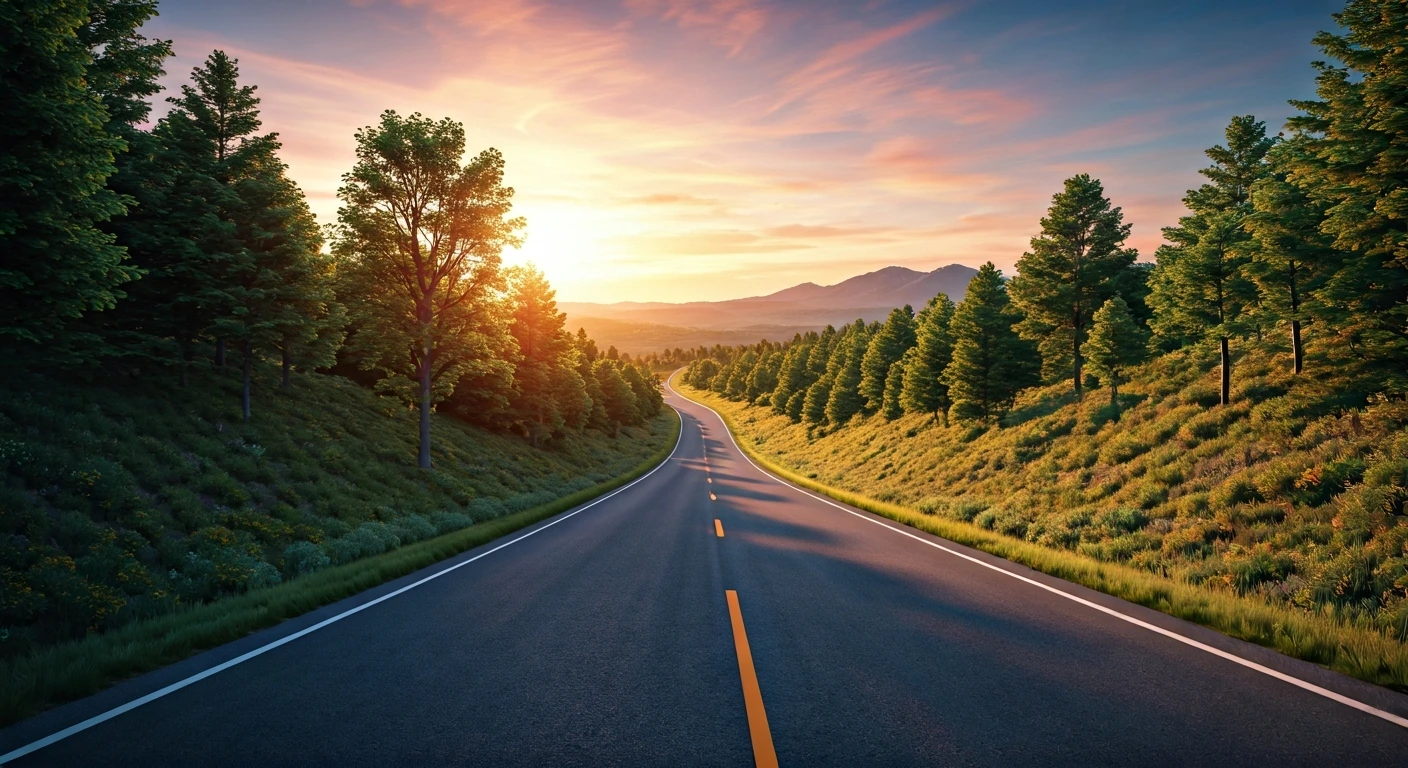
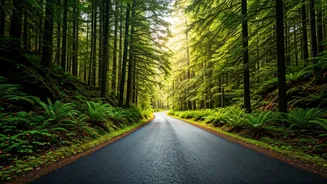
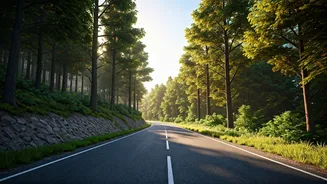
as quickly as possible. The landscape becomes a blur of service stations and homogenous chain restaurants. But a growing movement is pushing back against the tyranny of the fastest route. Travelers are rediscovering the joy of the journey itself by seeking out America’s “green roads.” This isn't a formal designation but a beautiful catch-all for the nation's scenic byways, historic parkways, and rural routes that prioritize nature, culture, and a slower pace. Think of it as the difference between flying over a country and walking through it. One gets you there faster; the other lets you actually experience it.
What Makes a Road 'Green'?
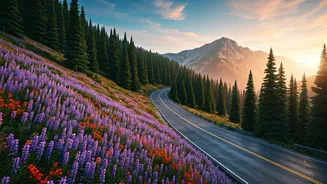
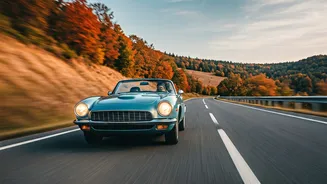
A green road is more than just a road with trees. It’s a route that tells a story. The most prominent examples fall under the National Scenic Byways Program, which recognizes roads with outstanding archaeological, cultural, historic, natural, recreational, or scenic qualities. These “All-American Roads” and “National Scenic Byways” are destinations in themselves. The legendary Blue Ridge Parkway, winding through the Appalachian Highlands of Virginia and North Carolina, is a perfect example. It was designed not for commerce but for pleasure, with deliberately low speed limits, commercial-vehicle bans, and turnouts engineered for maximum scenic appreciation. The same philosophy applies to others, like the Going-to-the-Sun Road in Montana's Glacier National Park or the historic Natchez Trace Parkway. These roads curve with the land instead of cutting through it, preserving a sense of place that interstates often erase.
The Appeal of a Slower Pace
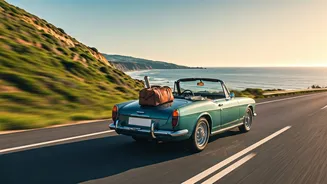
So why the resurgence in popularity? The answer lies in our increasingly fast-paced, digitally saturated lives. The green road offers an antidote. It’s a forced digital detox, where the only thing to scroll through is the unfolding landscape. In an era of “doomscrolling” and endless notifications, the simple act of watching a ridgeline pass or stopping at a roadside fruit stand feels revolutionary. The pandemic accelerated this trend, sparking a renewed love affair with the classic American road trip. But this time, the goal wasn’t just to escape; it was to reconnect. These scenic routes offer a path to that connection—with nature, with history, and with the small towns and local economies that thrive along their corridors. A trip down California’s Highway 1 isn’t just about seeing the ocean; it’s about the cliffside pull-offs, the tiny seafood shacks, and the feeling of the salt spray in the air.
Finding Your Own Scenic Route
The beauty of this concept is its accessibility. You don’t have to drive across the country to find a green road. While iconic routes get the most attention, nearly every state has its own system of designated scenic or historic byways. A quick search on your state’s Department of Transportation or tourism website will likely reveal a curated list of drives that offer a welcome alternative to the freeway. Resources like the Federal Highway Administration’s “America’s Byways” website provide maps and guides for nationally recognized routes. The next time you’re planning a trip, try building in an extra hour or two. Instead of defaulting to the interstate on your mapping app, look for the smaller, winding line that runs parallel to it. That’s often where the real adventure begins—the unexpected vistas, the charming main streets, and the memorable detours you’ll talk about long after you’ve forgotten the time you saved.