



1. Rethink Your Outer Shell
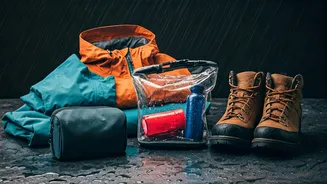
Your first instinct might be to grab a heavy-duty, fully waterproof rain slicker. But in a humid, tropical downpour, these can turn into personal saunas, trapping sweat and making you feel just as damp as if you'd stood in the rain. Instead, opt for a lightweight,
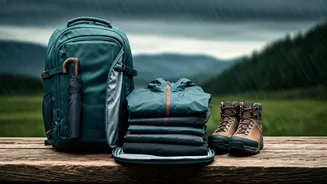
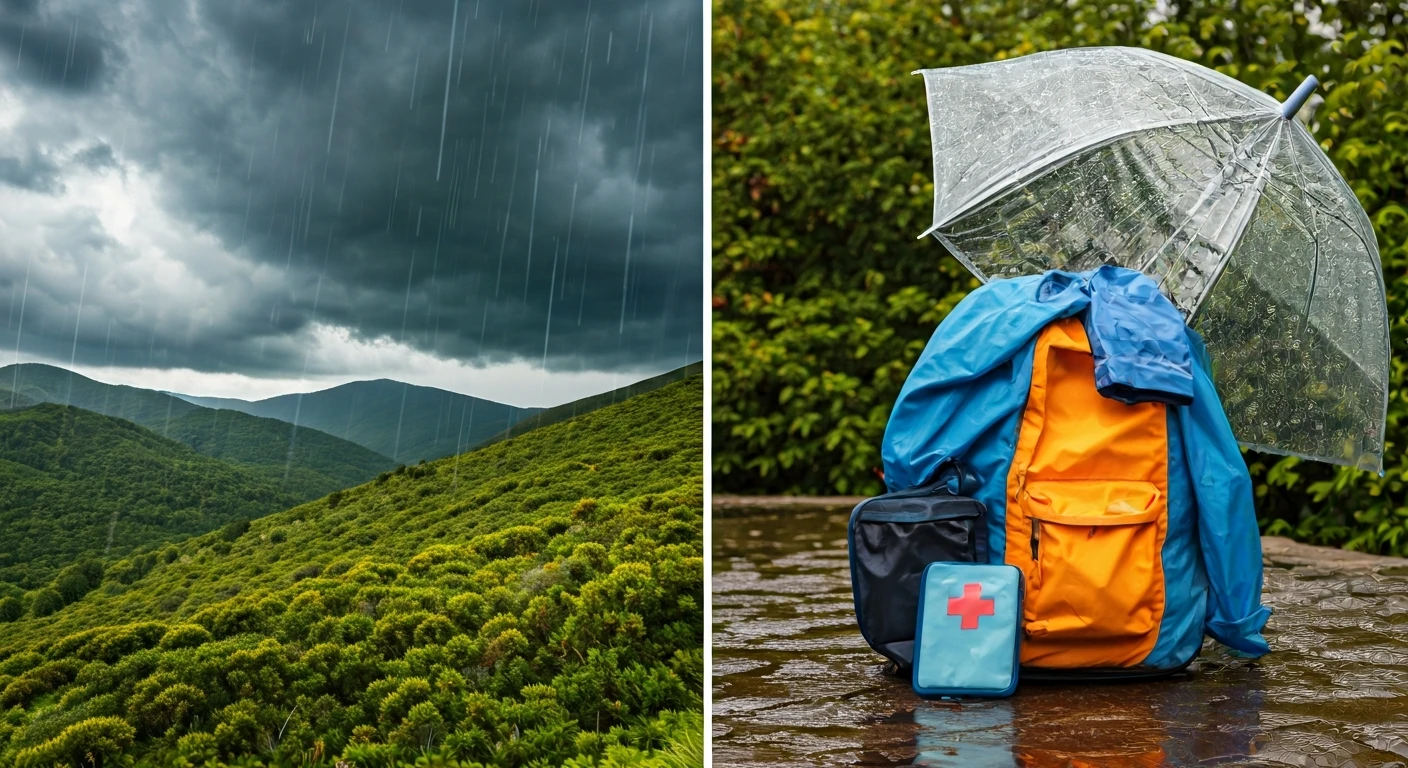
breathable, and packable rain shell. Look for materials like Gore-Tex Paclite or similar proprietary fabrics from outdoor brands. This shell is your emergency layer, not an all-day coat. Its main job is to get you from a taxi to a temple or through a sudden squall without getting drenched, then disappear back into your daypack.
2. Embrace the Quick-Dry Philosophy
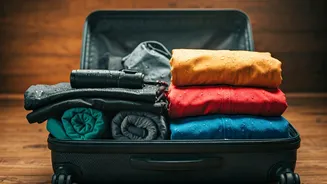
This is the single most important rule: banish cotton from your travel wardrobe. Cotton absorbs moisture like a sponge and takes forever to dry in high humidity, leading to musty smells and a perpetually damp feeling. Your new best friends are synthetic fabrics (like nylon and polyester) and merino wool. Synthetics are champs at wicking moisture away from your skin and drying in a flash. Merino wool is a natural wonder; it insulates when wet, resists odor for days, and is surprisingly breathable. Pack a few quick-dry t-shirts, a long-sleeve sun shirt (great for bugs, too), and travel pants or shorts made from these materials.
3. Get Strategic With Your Bag System
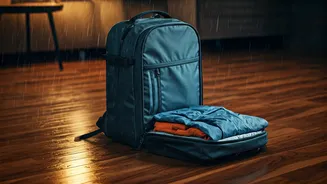
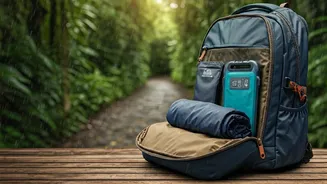
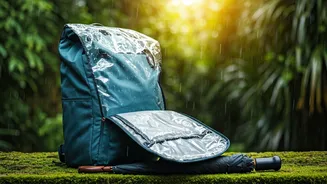
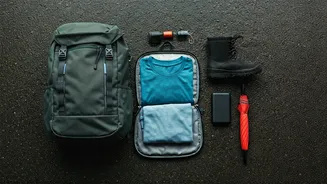
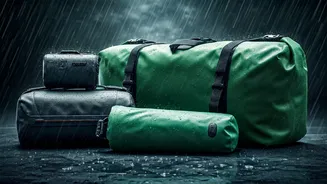
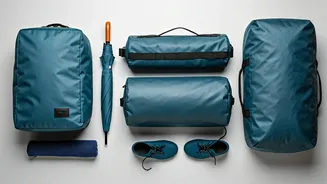
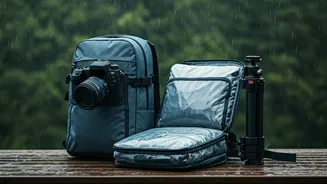
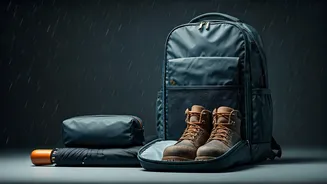
A waterproof backpack is a great start, but true peace of mind comes from internal organization. The secret weapon is a set of dry sacks. These are lightweight, waterproof roll-top bags used by kayakers and hikers. Use one large one as a pack liner to protect everything inside, and smaller ones for critical items. Dedicate one for your electronics (passport, phone, power bank) and another exclusively for wet or dirty clothes. This 'quarantine' system is non-negotiable. It prevents a damp swimsuit or a rain-soaked shirt from contaminating everything else in your bag, keeping your clean, dry clothes pristine.
4. Solve the Footwear Equation
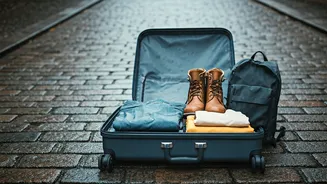
Waterproof hiking boots seem logical, but they can be a trap. Once water gets over the top—which it will in a serious downpour or when wading through a flooded street—they become buckets that take days to dry. A better strategy for many monsoon destinations is to embrace the wetness with the right footwear. Consider breathable, non-leather trail runners with mesh panels that drain water quickly. Alternatively, a sturdy pair of adventure sandals (like Chacos or Keens) can be perfect for city walking and light trails, as they don't care about being wet. Always pack a second pair of shoes to rotate, ensuring one pair can dry out completely.
5. Pack the Unsung Heroes
A few small items can make a world of difference. A quick-drying microfiber travel towel is far superior to a bulky cotton one. Solid toiletries—shampoo bars, conditioner bars, solid perfume—eliminate the risk of messy spills inside a humid bag. A good anti-chafe stick can be a lifesaver when walking long distances in damp clothes. Finally, pack a few extra zip-top plastic bags in various sizes; they weigh nothing and are endlessly useful for protecting a phone during a sudden shower, isolating a leaky snack, or just keeping small items organized and dry.