
So, What Exactly Is Kairi?
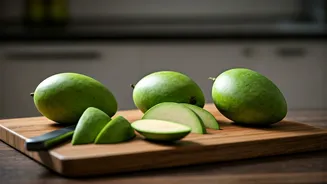
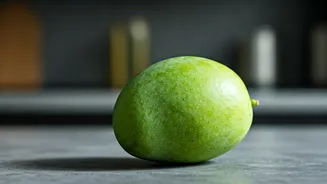
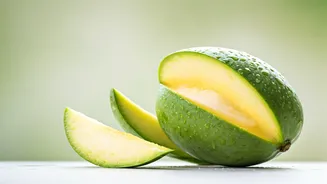
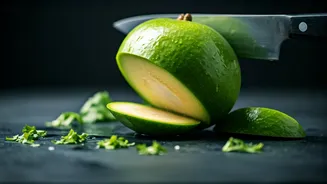
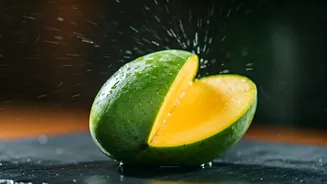
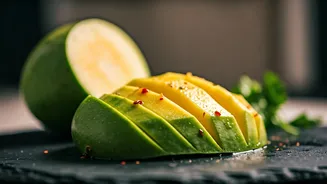
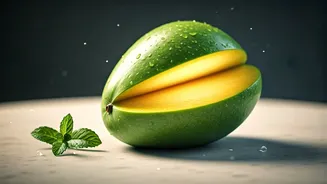
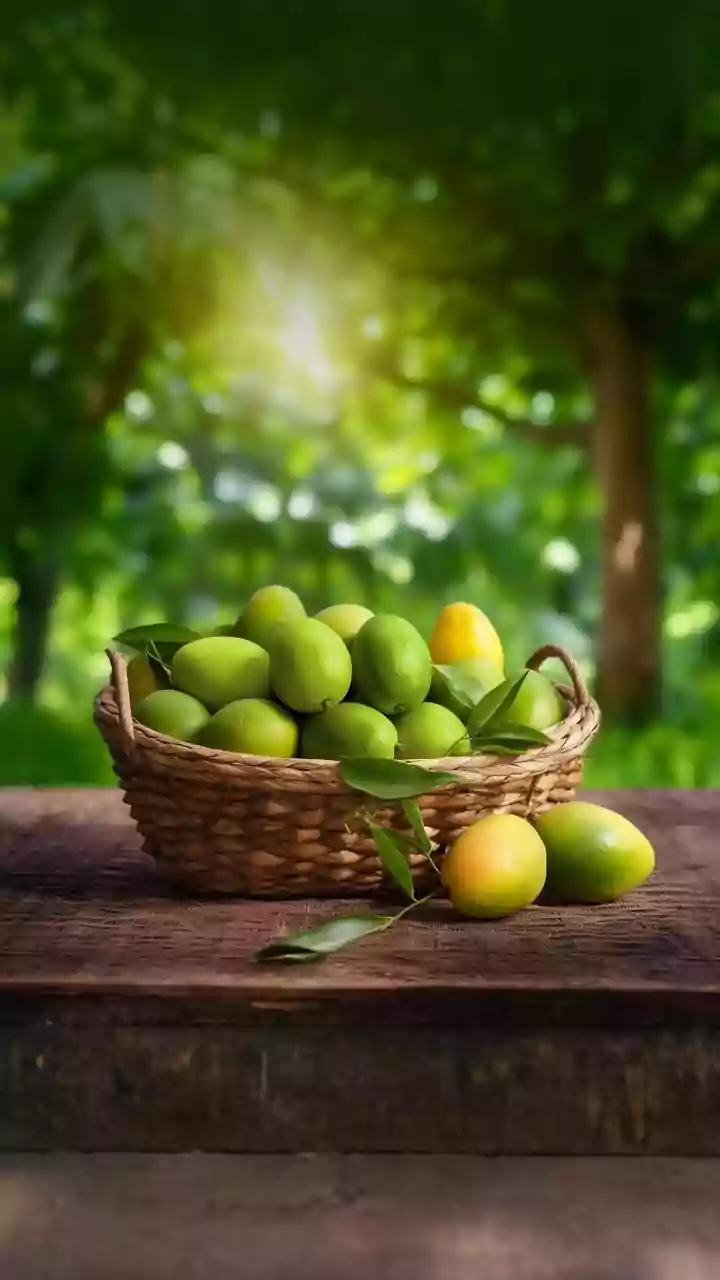
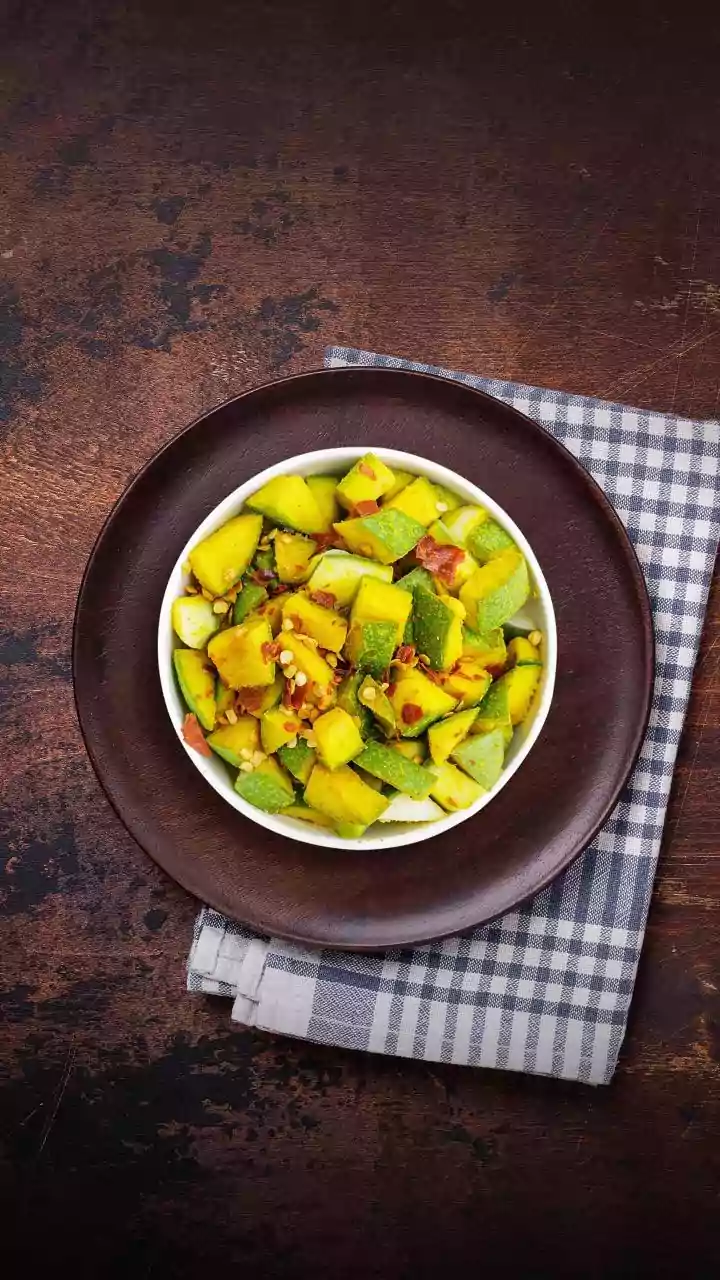
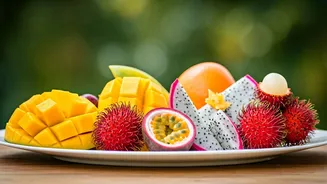
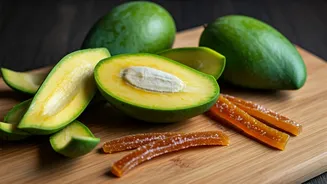
The ingredient at the heart of this tangy takeover is kairi—the Hindi and Gujarati word for raw, unripe green mango. If your only experience with mango is the sweet, golden-orange fruit, you’re in for a surprise. Kairi is its feisty, energetic predecessor.
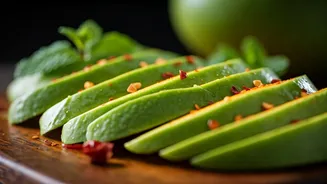
Firm to the touch with a pale green skin, its flesh is crisp, white, and intensely sour with a clean, slightly fruity undertone. Think of the tartness of a Granny Smith apple combined with the tropical hint of a mango, but stripped of all its sugar. For generations, it has been a cornerstone of South Asian cuisine, especially during the sweltering pre-monsoon months when the trees are full of these green jewels. It's less a fruit and more a vegetable-like souring agent, prized for its ability to brighten and balance dishes.
Why Sour Is Summer's Perfect Flavor
There’s a reason kairi and other sour ingredients are staples in hot climates. That puckering sensation you get from a tangy flavor isn't just a taste—it's a biological hack for staying cool. Sourness stimulates salivation, which helps quench thirst and keeps your mouth from feeling dry and sticky in the heat. It’s the same principle behind why a cold glass of lemonade is so much more refreshing than a sugary soda on a hot day. In culinary terms, acidity is a powerful tool. It cuts through richness, cleanses the palate, and adds a layer of complexity that makes food more exciting. In a season dominated by heavy grilled meats and creamy potato salads, a blast of pure, vibrant tartness is the perfect counterpoint, making everything feel lighter and more appetizing.
From Traditional Roots to Modern Menus
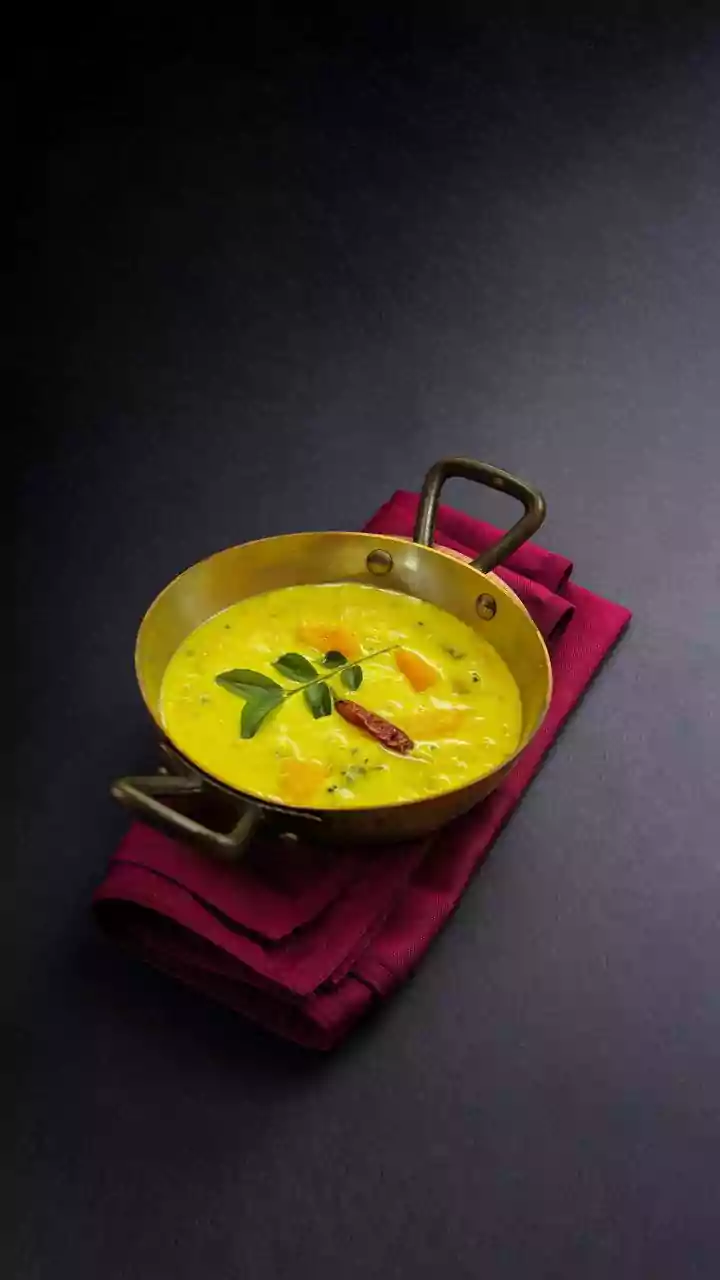
While kairi might seem new to many American diners, it has a rich history. In Indian households, it’s the star of countless summer preparations. It’s grated into spicy pickles (achaar) that last the whole year, boiled with sugar and spices like cumin and mint to make a restorative drink called Aam Panna, and blended into vibrant green chutneys served alongside savory snacks. Now, that same versatility is being discovered by a new generation of chefs in the U.S. They are taking kairi out of its traditional context and using its powerful flavor profile to innovate across their menus. It's a classic example of a hyperlocal, culturally specific ingredient making the leap into the global culinary vocabulary, celebrated not just for its novelty but for its genuine utility in the kitchen.
How You'll See It on the Plate
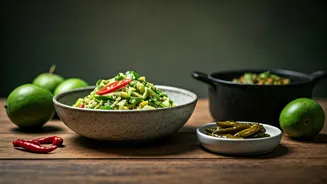
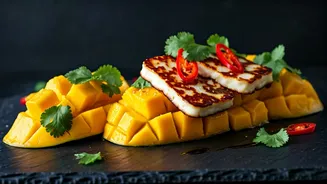
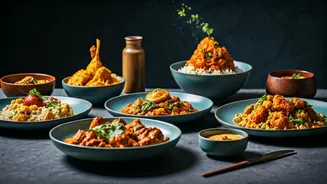
As this trend picks up steam, keep an eye out for kairi in unexpected places. You might find it finely shredded into a slaw, adding a crunchy, sour bite to a rich fish taco or a pulled pork sandwich. In cocktails, its juice or a kairi-infused syrup can replace lime or lemon, providing a more complex, tropical acidity in a gin and tonic or margarita. Creative chefs are using it to make tangy sorbets and granitas for a bracingly refreshing dessert. You may also see it used in marinades for seafood, where its acidity helps to tenderize the protein while infusing it with flavor, or as the base for a bright, modern ceviche. It’s no longer confined to the menus of Indian restaurants; it's becoming a secret weapon for any chef looking to add a jolt of pure, sun-drenched vibrancy to their summer offerings.