


Beyond the Well-Worn Path
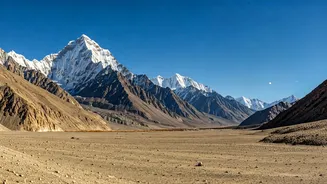
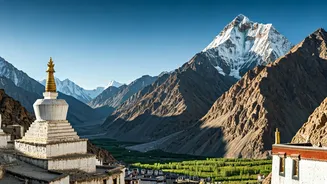
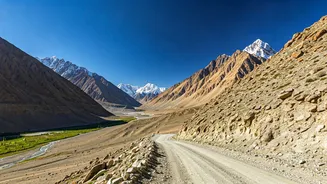
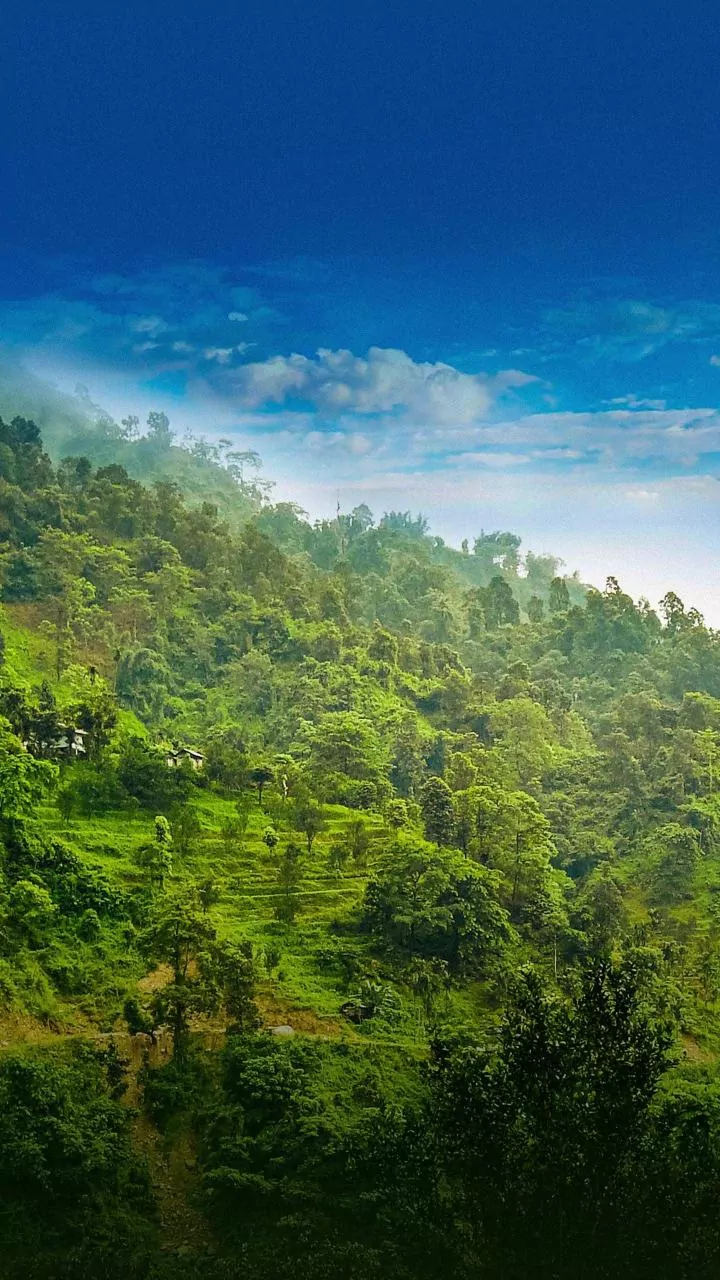
In an age of hyper-curated travel, the word “authentic” can feel worn out. But a journey to Hemis Monastery, about 25 miles from the city of Leh, reclaims its meaning. The experience begins with the landscape itself. Ladakh is a high-altitude desert of dramatic,
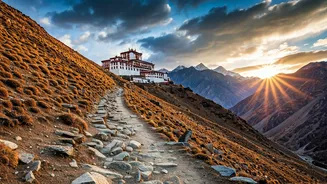
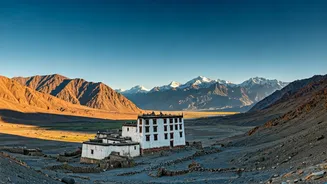
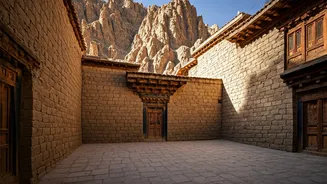
barren mountains and startlingly blue skies. The drive to Hemis winds through this epic terrain, a physical and mental buffer from the familiar world. Unlike more accessible spiritual sites that have bent to the demands of mass tourism, Hemis retains a sense of remoteness. Its location isn’t a bug; it’s a feature. This relative isolation has been a key factor in preserving a way of life that has remained largely unchanged for centuries, offering visitors a glimpse into a culture that isn't performed, but lived.
A Legacy of Living Buddhism
Founded in the 17th century under the patronage of Ladakhi royalty, Hemis is the headquarters of the Drukpa lineage, a major school of Tibetan Buddhism. This isn't a museum relic; it's a thriving spiritual center. The monastery is home to a community of monks who follow a daily regimen of prayer, study, and meditation. Its deep historical roots are tangible everywhere, from the ancient murals adorning the prayer halls to a rich library containing precious Tibetan texts. The centerpiece is a famed copper-gilt statue of Lord Buddha, but the true treasure is the monastery’s continuous, unbroken spiritual tradition. Visitors aren't just observing history; they are stepping into a place where the past and present flow together seamlessly, anchored by deep philosophical and religious practice.
The Spectacle of the Hemis Festival
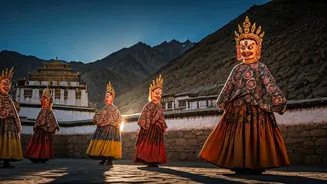
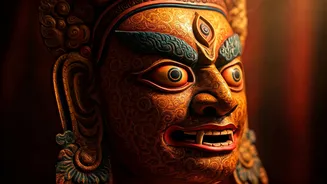
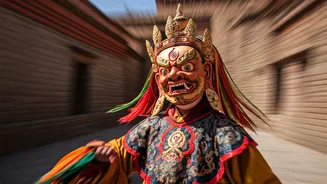
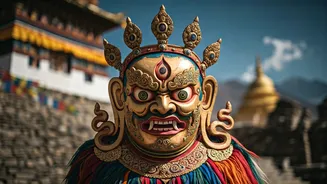
For two days each summer, the monastery's tranquil courtyard explodes into a riot of color and sound during the Hemis Tsechu festival. This event, held to celebrate the birth of Guru Padmasambhava, who is credited with bringing tantric Buddhism to Tibet, offers the most vivid window into the monastery's cultural heart. The highlight is the 'cham,' a series of sacred masked dances performed by the monks. These are not mere performances for entertainment. Each mask, costume, and synchronized movement is imbued with deep symbolic meaning, representing the triumph of good over evil and the subjugation of worldly demons. The festival's climax involves the ceremonial unfurling of a giant, centuries-old thangka (a silk appliqué scroll painting) depicting Guru Padmasambhava, an event that occurs only once every 12 years. It’s a powerful, communal spiritual experience that draws devotees from across the Himalayas.
An Unfiltered Connection to Culture
What truly sets Hemis apart is what it lacks: overt commercialism. While visitors are welcomed respectfully, the monastery’s purpose is not to cater to tourists. There are no slick souvenir shops at every turn, no pressure to buy, and no sense that the culture has been diluted for mass consumption. The experience is one of quiet observation and participation on the monastery's own terms. You are a guest in a functioning spiritual institution. This allows for a more genuine connection. You might witness young monks playfully debating scripture, hear the low hum of morning chants echoing through the valley, or simply sit in the courtyard and absorb the profound sense of peace. The authenticity of Hemis lies in its steadfast commitment to its primary mission, with tourism being a peripheral, rather than a central, activity.