





So, What Exactly Is a Kopel?
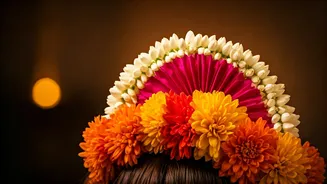
Before you imagine a fashion runway accessory, picture something far more fragrant and personal. The 'Kopel' is a traditional headgear made from fresh, intensely aromatic jasmine flowers, known locally as ‘mogra.’ Sometimes, other colorful blooms like
‘aboli’ (firecracker flower) are woven in for contrast. This isn't a mass-produced item; it's a delicate, handcrafted garland meticulously woven by women, usually on the day it’s meant to be worn. The Kopel is more than just a decoration; it's a multi-sensory experience of sight and scent, deeply embedded in the cultural fabric of a specific community in Goa, a small state on India's southwestern coast known for its unique blend of Indian and Portuguese heritage.
The Festival That Sparked the 'Trend'
The reason Kopels are “trending” isn’t because of a new designer collection, but because of an ancient festival. Every August, the sleepy village of Talaulim in Goa comes alive for the ‘Kopelachem Fest’ (Festival of Kopels), also known as the Feast of St. Anne or ‘Toxeachem Fest’ (Cucumber Feast). The festival is a beautiful syncretism of faith and local culture. Parishioners, especially young, unmarried women, offer cucumbers to St. Anne, the grandmother of Jesus, as a symbol of their prayers for a good spouse. After the church ceremonies, the village bursts into a celebration where women of all ages don their freshly made Kopels. It’s this vibrant, photogenic display of communal joy and tradition that gets captured and shared online, creating the ripple effect of a “trend.”
A Symbol of Community and Heritage
The Kopel is not just an accessory for a single day; it’s a living symbol of Goan Christian identity and matrilineal heritage. The skill of weaving these intricate floral garlands is passed down from mothers to daughters. It represents a connection to nature, faith, and the close-knit bonds of the village. In a region where rapid modernization and tourism are changing the landscape, traditions like the Kopelachem Fest serve as powerful anchors to the past. For the women of Talaulim and surrounding areas, wearing a Kopel is a proud declaration of their identity, a way to participate in a ritual that has connected generations of their family.
From Local Ritual to Global Gaze
The “trending” aspect of the headline points to a fascinating modern phenomenon: how social media can amplify hyper-local cultural events onto a global stage. What was once a cherished celebration known mostly to Goans is now discoverable by anyone scrolling through Instagram. This digital spotlight has pros and cons. On one hand, it brings wider appreciation and can help in the preservation of traditions by validating their importance. On the other, it risks decontextualizing the ritual, reducing a profound cultural practice to a mere aesthetic for online consumption. The key is that for the community at the heart of it, the Kopel remains what it has always been—a fragrant, beautiful expression of faith, hope, and belonging, long after the online buzz fades.