






The Big Idea Behind the Backyard Garden
While Americans are familiar with community gardens often funded by non-profits or local grants, India has taken the concept of homegrown food to a national policy level. Various central and state government bodies, primarily under the umbrella of the National
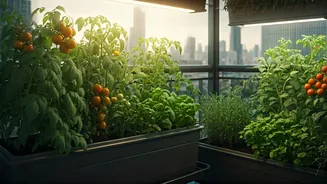
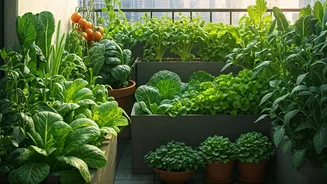
Horticulture Mission, are promoting 'kitchen gardens'—small plots on terraces, in backyards, or even on balconies—to improve household nutrition and create a buffer against market price fluctuations. The core idea isn't to create commercial farmers, but to empower millions of families, particularly in urban and semi-urban areas, to grow their own fresh, pesticide-free vegetables. It’s a direct response to challenges of rapid urbanization, food safety concerns, and the need to supplement daily diets with micronutrients often missing from staple foods.
So, Who Is Eligible?
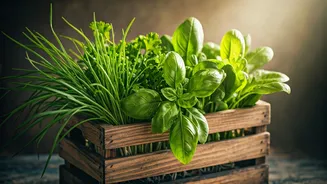
The beauty of these schemes often lies in their simplicity. While specific rules vary from state to state, the general eligibility criteria are designed to be broad and inclusive. Typically, any resident with a small amount of space—be it a rooftop, a small yard, or even a sunlit balcony—can apply. The government isn't looking for sprawling farms; they're targeting ordinary households. The process often involves registering with a local horticulture department, which then provides a subsidized 'kit.' This kit is the cornerstone of the program. Instead of a cash grant, beneficiaries usually receive a package containing high-quality seeds for seasonal vegetables (like tomatoes, okra, spinach, and chilies), enriched soil or coco-peat bricks, small grow bags or containers, and sometimes organic fertilizers and pesticides. The cost is heavily subsidized, with the beneficiary paying only a nominal fraction of the kit's actual value. The main condition is that the produce is for personal consumption, reinforcing the program's focus on family nutrition rather than commerce.
India's Top-Down vs. America's Bottom-Up Approach
This government-led, mass-distribution model presents a stark contrast to how urban agriculture is often supported in the United States. In the U.S., the movement is largely driven from the bottom up. Enthusiastic citizens form non-profits, secure vacant lots for community gardens, or launch rooftop farming startups. Government support exists, but it's typically in the form of competitive grants awarded to organizations, not direct subsidies to millions of individuals. For example, the USDA’s Office of Urban Agriculture and Innovative Production provides funding to non-profits, schools, and local governments to develop urban farming projects. While effective, this approach is more decentralized and project-based. India’s strategy, on the other hand, is one of scale. By standardizing a basic kit and subsidizing it for anyone with a little space and initiative, it aims for widespread, if shallow, adoption. It’s a trade-off: the U.S. model may foster more innovative, high-yield urban farms, while India’s model has the potential to introduce millions of people to the basics of growing their own food.
More Than Just a Hobby
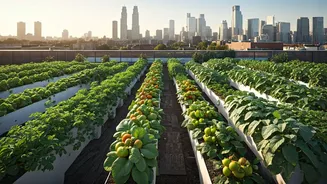
It’s easy to dismiss a few pots of tomatoes on a balcony as a simple hobby, but when multiplied by millions, it becomes a powerful tool for public health and resilience. For families in densely populated cities, a kitchen garden provides access to fresh produce that is otherwise expensive or of questionable quality. It promotes awareness about food cycles, reduces household waste through composting, and creates small green pockets in concrete jungles. In a broader sense, it decentralizes a tiny portion of the food supply chain, making it less vulnerable to disruptions. This vision of a city where countless rooftops and balconies contribute to the food supply is a powerful one, offering a lesson in how policy can nurture self-sufficiency at the smallest scale.