






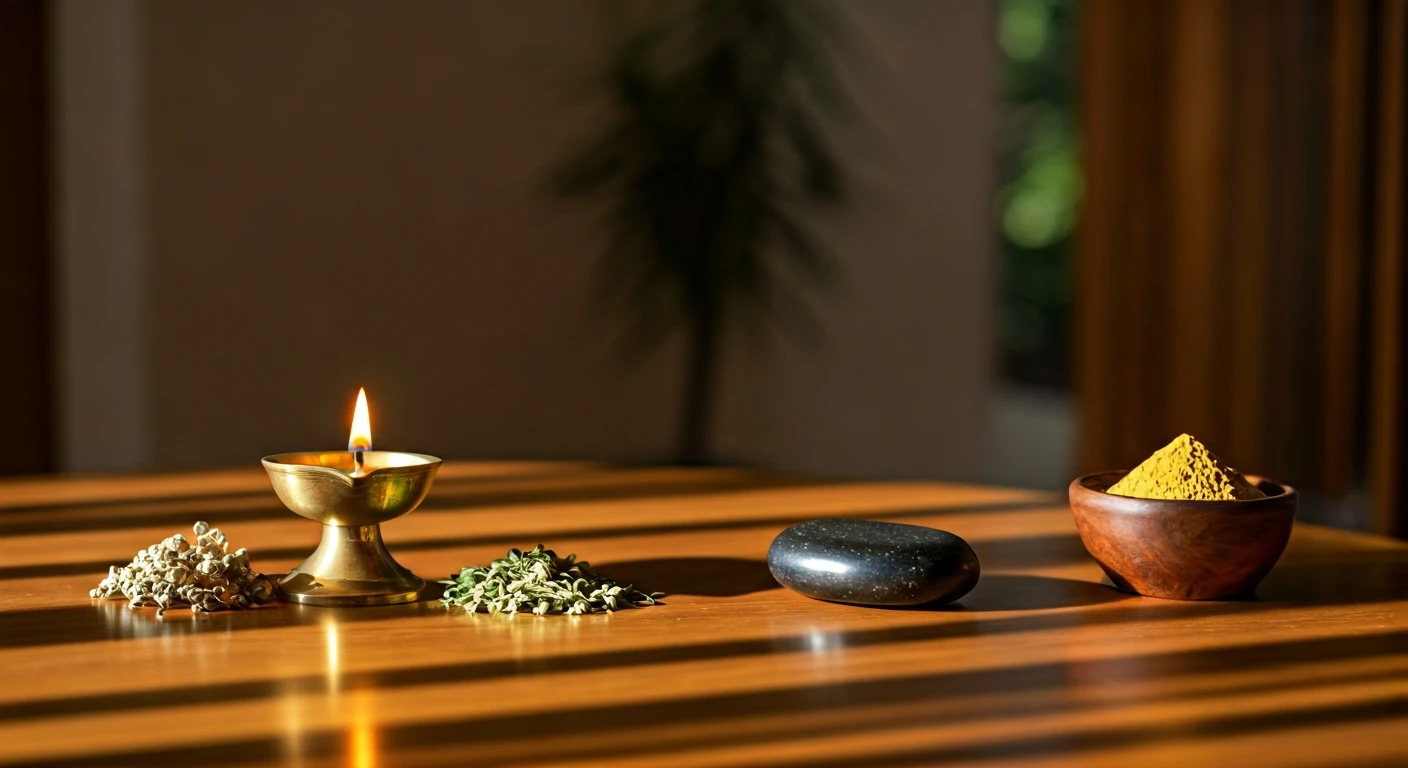
What Is Ayurveda, Exactly?
Before you get overwhelmed, let’s clear one thing up: Ayurveda is not a rigid diet or a punitive detox program. At its heart, this 5,000-year-old 'science of life' is a holistic wellness system focused on creating harmony between your mind, body, spirit,
and environment. Unlike one-size-fits-all health fads, Ayurveda is deeply personal. It revolves around the idea that we are all made up of a unique combination of three fundamental energies, or 'doshas': Vata, Pitta, and Kapha. When these doshas are in balance, we feel vibrant and healthy. When they're out of balance due to stress, diet, or lifestyle, we feel sluggish, anxious, or unwell. A 'reset' in Ayurveda isn't about deprivation; it's about gently guiding your specific constitution back to its natural state of equilibrium.
Start by Understanding Your Dosha
The first step in any Ayurvedic journey is identifying your dominant dosha(s). While a true diagnosis requires a consultation with an Ayurvedic practitioner, you can get a general sense of your constitution to guide your home reset. Here’s a quick primer: * **Vata (Air & Ether):** People with a dominant Vata dosha are often creative, energetic, and quick-thinking. When out of balance, they can experience anxiety, dry skin, and digestive issues. They thrive on warmth, stability, and grounding foods. * **Pitta (Fire & Water):** Pitta types are typically driven, intelligent, and strong leaders. An imbalance can manifest as irritability, inflammation, and acid reflux. They benefit from cooling, calming practices and foods. * **Kapha (Earth & Water):** Grounded, nurturing, and steady, Kapha individuals are a calming presence. When their energy stagnates, they can feel lethargic, gain weight, and experience congestion. They need stimulation, movement, and lighter foods. Numerous online quizzes can help you identify your potential dosha, offering a starting point for self-discovery.
Sync Your Day with Nature's Clock
Ayurveda places huge importance on a daily routine, known as *dinacharya*, to keep the doshas happy. This isn't about a punishing schedule but about creating anchors of calm in your day. A simple bring-home routine could look like this: 1. **Wake with the sun:** Try to rise early to sync with the natural energy of the morning. 2. **Morning Cleanse:** Before you drink or eat, scrape your tongue with a tongue scraper to remove the overnight buildup of toxins. Follow with 'oil pulling'—swishing a tablespoon of coconut or sesame oil in your mouth for 5-10 minutes—to support oral health. 3. **Warm Water First:** Sip a cup of warm water, perhaps with a squeeze of lemon, to gently awaken your digestive system. 4. **Quiet Moments:** Instead of grabbing your phone, take five minutes to meditate, do some gentle stretches, or simply sit in silence and set an intention for your day.
Eat to Restore Balance
Food is medicine in Ayurveda, used to pacify or invigorate your dominant dosha. You don’t need to find exotic ingredients; it’s about choosing foods with specific qualities. For your reset, focus on simple, cooked, easy-to-digest meals. * **To calm Vata:** Favor warm, moist, and grounding foods like oatmeal, baked sweet potatoes, vegetable stews, and rice with ghee (clarified butter). * **To cool Pitta:** Opt for cooling, hydrating, and slightly sweet or bitter foods. Think cucumbers, leafy greens, coconut, melon, and quinoa. * **To invigorate Kapha:** Choose light, dry, and warming foods. Focus on spiced lentils, steamed vegetables, apples, berries, and whole grains like millet and barley. Spices like ginger, cinnamon, and black pepper are your friends. Above all, the main rule is to eat mindfully, without distractions, and only until you are satisfied, not stuffed.