





First, It's Not What You Think
Let’s get the biggest misconception out of the way. For most of us, the word “monsoon” conjures images of nonstop, catastrophic downpours that wash out roads and trap you indoors for weeks. While that can happen in extreme cases, the reality in most popular
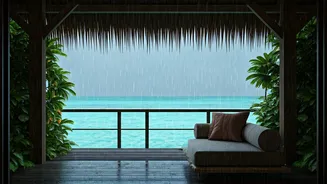
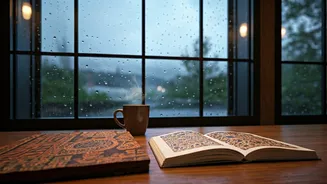
travel destinations is far milder. More often, the monsoon or “green season,” as it’s increasingly branded, involves a predictable pattern of weather. Mornings might be sunny and bright, followed by a heavy but relatively short-lived downpour in the mid-afternoon. After an hour or two, the clouds often part, the sun returns, and the world is left looking freshly washed and vibrant. It’s less of a vacation-ruiner and more of a built-in-siesta-enforcer. This predictable rhythm allows you to plan your days accordingly: schedule outdoor activities for the morning and use the afternoon rain as a perfect excuse for a museum visit, a cooking class, or a guilt-free nap.
The World in High Definition
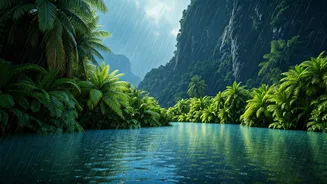
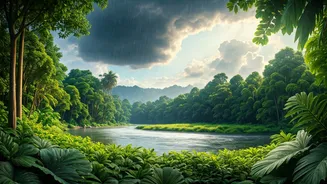
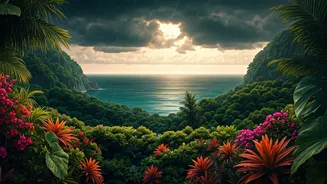
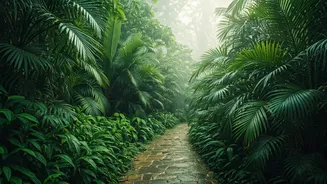
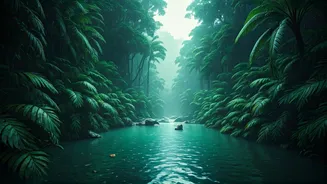
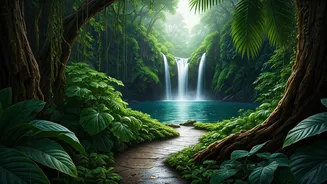
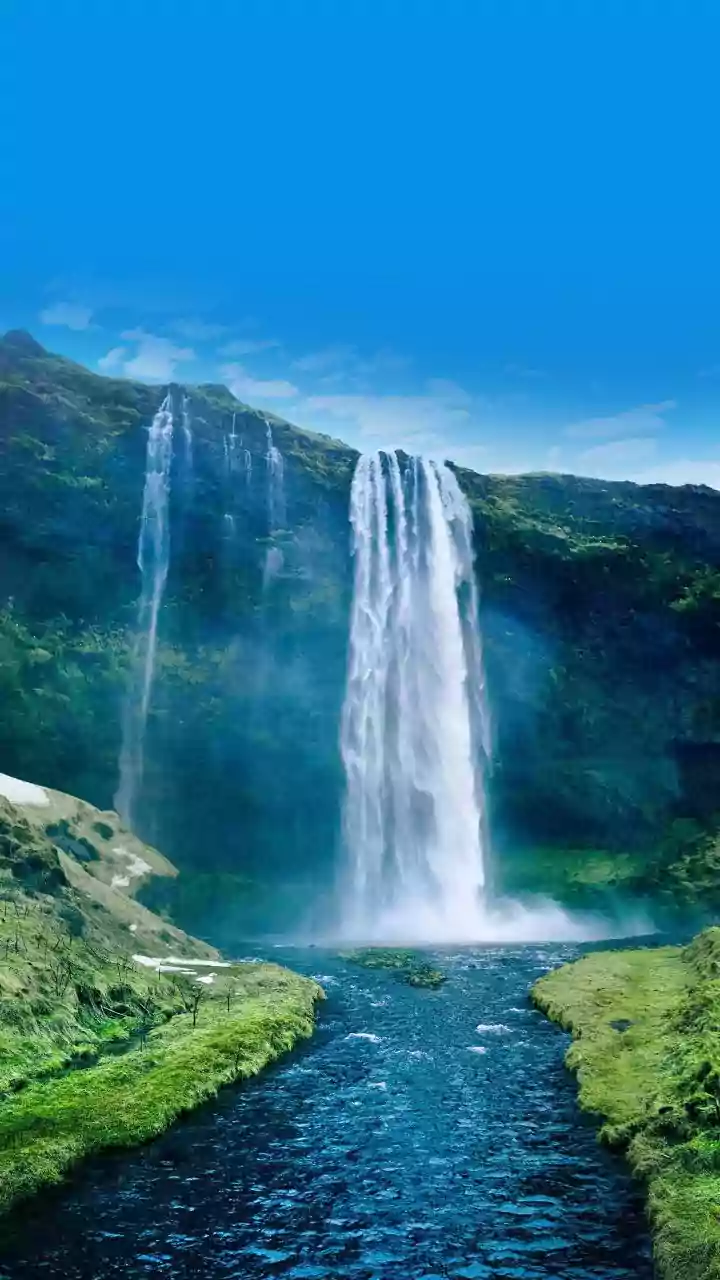
There's a powerful aesthetic argument for green season travel. The constant sunshine of the dry season can bake landscapes into a dusty, muted palette of browns and yellows. The rain changes everything. It’s a saturation boost for the entire world. Jungles and rice paddies become electric green. Waterfalls that are a mere trickle during the high season roar to life, becoming spectacular, thundering attractions in their own right. The air is clearer, with the rain washing away dust and pollution, making for incredibly crisp views and vibrant sunsets. The sky itself becomes a source of drama, with magnificent cloud formations and a moody, atmospheric light that photographers adore. It’s not just a different season; it’s a different, more intense and vivid version of the place you came to see.
Your Wallet and Sanity Will Thank You
The most compelling argument for many is the practical one: money and crowds. The high season is defined by peak demand, which means peak prices for flights, hotels, and even tours. Traveling during the monsoon season flips that equation. As demand drops, so do prices—often dramatically. It’s not uncommon to find airfare for hundreds of dollars less or luxury hotels offering steep discounts and package deals. This is the travel industry’s “off-season.” Beyond the savings, the lack of crowds can fundamentally transform your experience. Imagine visiting Angkor Wat in Cambodia or Chichen Itza in Mexico without having to jostle for a photo. You can explore iconic sites with a sense of peace and discovery that’s impossible when you’re part of a human traffic jam. You’ll get better service, more space, and a feeling that you’ve stumbled upon a secret that everyone else missed.
A More Authentic Experience
When the hordes of tourists depart, a destination can finally breathe. The green season is often a time when you can see a place as it really is, not as a stage set for visitors. You’re more likely to interact with locals who aren’t exhausted by the peak-season rush. Markets are for residents, not just souvenir-hunters. You get a glimpse into the rhythm of daily life that’s often obscured during the tourism frenzy. The afternoon rain becomes a communal event, with locals gathering under awnings, sipping coffee, and waiting for the storm to pass. This slower, more relaxed pace fosters opportunities for genuine connection that are harder to come by when you’re just one of thousands of visitors being processed through a tourism machine.
How to Do It Right
Monsoon travel requires a slight shift in mindset and preparation. First, pack smart: lightweight, quick-drying clothes are your best friend. Forget the heavy raincoat; a light, packable waterproof jacket is better. Bring shoes you don’t mind getting wet (or waterproof ones) and a dry bag for electronics. Second, be flexible. A flash flood could delay a bus, or a trail might be too muddy to hike. Have backup plans and embrace the opportunity to do something unexpected. Finally, choose your destination wisely. While the coast of Thailand might be drenched, parts of Indonesia, like Bali, have a different rainy season. A little research will show you which specific regions have a more manageable “green season” versus a genuinely problematic monsoon.