


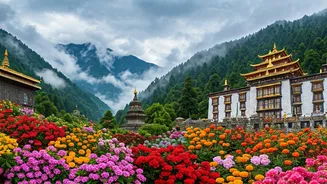
An Explosion of Himalayan Flora
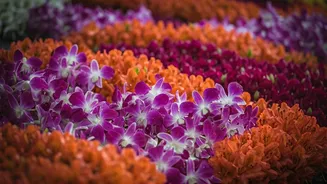
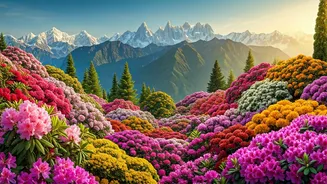
The centerpiece of the festival is its legendary flower show. Held at the White Hall complex, just a stone's throw from the city's bustling MG Marg, this is no ordinary botanical display. Sikkim is a biodiversity hotspot, and the show is a dazzling showcase
of its natural wealth. For photographers, it’s a masterclass in color theory. You’ll find hundreds of species of orchids, including rare and exotic varieties that seem almost otherworldly in their intricacy. The state flower, the rhododendron, appears in breathtaking hues from fiery red to soft pink and pristine white. Gladioli, primulas, and countless other alpine flowers create a kaleidoscopic landscape under one roof. Capturing the delicate textures of a Nobile Orchid against the vibrant chaos of the show floor is a challenge that yields stunning results.
Vibrant and Living Culture
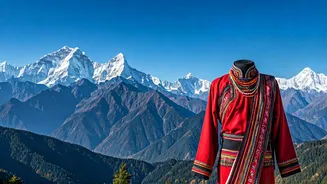
The festival is also a vibrant celebration of Sikkimese culture. Throughout the month, the air fills with the sounds of traditional folk music, and stages come alive with energetic dance performances. The costumes are a spectacle in themselves. Dancers adorned in elaborate, hand-woven textiles, intricate beadwork, and heavy silver jewelry perform routines passed down through generations. One of the most visually striking is the Chaam, or monastic mask dance, where performers wear fearsome, colorful masks representing deities and demons. Each movement tells a story, and photographing these performances is about capturing not just the color and pageantry, but the raw energy and spiritual devotion of the moment.
Food That's a Feast for the Eyes
Sikkimese cuisine is a delicious blend of Nepali, Tibetan, and local influences, and the festival's food stalls offer the perfect introduction. For the visually-minded traveler, the food is as much a photo opportunity as it is a meal. Picture rows of perfectly pleated momos (steamed dumplings) glistening in bamboo steamers, their fillings of pork or cheese peeking through translucent dough. There's the vibrant red of a spicy pork curry, the earthy tones of gundruk (fermented leafy greens) soup, and the warm, golden glow of freshly made sel roti, a traditional ring-shaped bread. Capturing a local vendor artfully preparing a dish is a way to document the authentic, everyday beauty of the culture.
Adventure Against a Majestic Backdrop
While the festival events are centered in Gangtok, the spirit of adventure spills out into the surrounding landscape. What makes this so photogenic is the constant, breathtaking presence of the Himalayas. The festival often includes opportunities for activities like white-water rafting on the Teesta River, where you can capture the thrill of navigating rapids with snow-capped mountains in the distance. Another iconic image is the yak safari. These gentle, long-haired beasts, decorated with colorful tassels and bells, offer a slow and steady ride through high-altitude terrain. A photo of a brightly adorned yak against the backdrop of Tsomgo Lake or the rugged mountain passes is a quintessential Sikkimese memory, blending cultural elements with the sheer scale of the natural world.
The Constant, Stunning Scenery
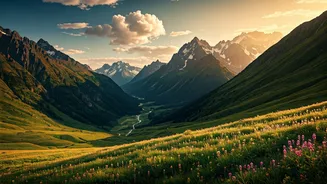
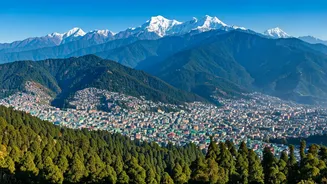
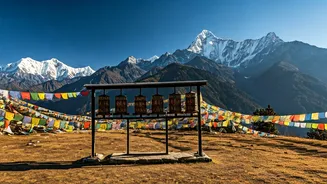
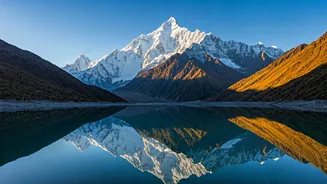
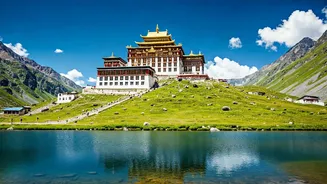
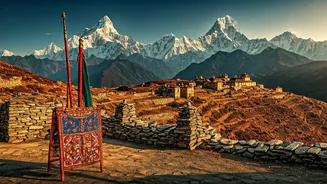
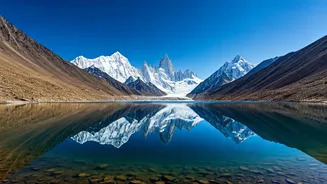
Ultimately, what elevates the Gangtok Summer Festival from a charming local event to a world-class photogenic experience is its setting. Gangtok itself is built on a hillside, offering panoramic views of the surrounding valleys and, on a clear day, the magnificent peak of Mount Kanchenjunga, the third-highest mountain in the world. The city is dotted with serene Buddhist monasteries like Rumtek and Enchey, their golden roofs and colorful prayer flags fluttering in the mountain breeze. The festival provides the perfect excuse to explore this incredible region, where every turn in the road seems to reveal a new, postcard-perfect vista. The interplay of vibrant festival life with the serene, monumental beauty of the Himalayas is what truly makes a trip here unforgettable.