





Defining 'Clean' in the Dog Dish
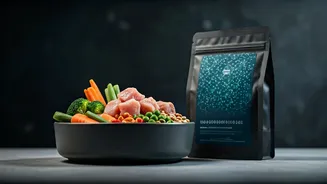
First, let’s be clear: 'clean' is a marketing term, not a regulated one. There is no official FDA definition for 'clean' pet food. Instead, it’s a catch-all descriptor for a burgeoning category of products that mirror human food trends. Think human-grade
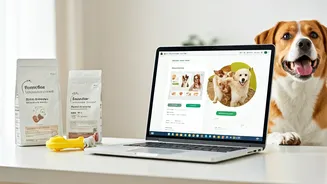
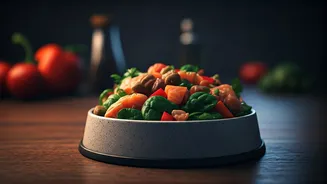
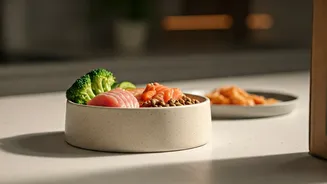
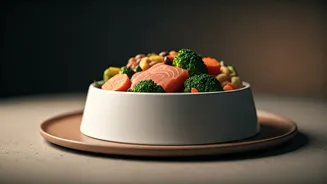
ingredients, minimal processing, and recipes you can practically read like a home-cooked meal: chicken, carrots, kale, and quinoa. These foods, often delivered fresh in refrigerated packages from brands like The Farmer’s Dog or Ollie, stand in stark contrast to the shelf-stable, brown-pebble kibble that has dominated the market for decades. They promise transparency, with subscription models showing you exactly what’s going into your pet’s bowl, and often eschew the preservatives, fillers, and artificial additives found in many mass-market options. It’s less a product and more a philosophy—one that treats the pet’s food bowl like a human’s dinner plate.
The Pet Humanization Effect
This trend didn't appear in a vacuum. It’s the logical endpoint of a decades-long cultural shift in how Americans view their pets. Dogs and cats have moved from the backyard to the bedroom, evolving from property to personality-filled family members. For millennials and Gen Z, who are having children later or not at all, pets often fill the role of 'starter kids' or permanent companions. They have their own Instagram accounts, get birthday parties, and are referred to as 'fur babies' without a hint of irony. When you view your pet as your child, feeding them mysterious brown pellets from a 40-pound bag feels increasingly dissonant. You wouldn’t feed your toddler heavily processed food every single day, the logic goes, so why would you do it for your dog? The upgrade to 'clean' food isn’t just about nutrition; it’s an act that emotionally validates the pet’s status as an equal, cherished member of the family unit.
An Extension of Our Own Wellness
The rise of clean pet food also maps perfectly onto the explosion of the human wellness industry. We track our steps, optimize our sleep, and scrutinize food labels for gluten, GMOs, and added sugars. It was only a matter of time before we projected these same anxieties and aspirations onto our pets. The language used by fresh pet food companies—“whole foods,” “balanced recipes,” “gently cooked”—is lifted directly from the playbook of human-centric health brands. This 'wellness halo effect' allows pet owners to feel like they are giving their animals the same level of care they strive for in their own lives. It’s a form of control in a world that often feels uncontrollable. While we can’t protect our pets from everything, we can control what goes into their bowl, and choosing a premium, 'clean' option feels like a powerful, tangible act of love and protection.
The Price of Peace of Mind
Of course, this upgrade comes with a significant price tag. Fresh pet food subscriptions can run into hundreds of dollars a month, making them a luxury item inaccessible to many. So, is it worth it? The answer is complicated. Proponents argue that the higher-quality ingredients lead to tangible benefits like shinier coats, better digestion, and more energy. However, many veterinarians caution that the 'clean' label doesn't automatically mean 'better.' A well-formulated kibble from a reputable brand is designed by veterinary nutritionists to be a complete and balanced diet. The most important factor, they stress, isn't whether the food is fresh or dry, but whether it meets established nutritional standards and is appropriate for a pet’s specific life stage and health needs. The premium price is often buying peace of mind and the emotional satisfaction of providing a 'human-style' meal as much as it is buying superior nutrition.