
A Front-Row Seat to the Gods
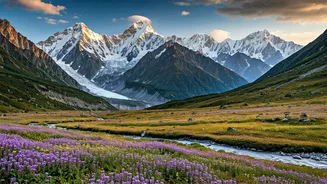
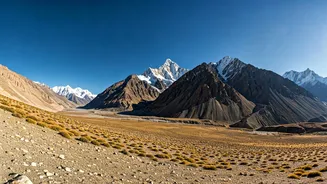
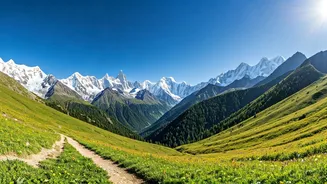
The primary reason Munsiyari captivates every visitor is its staggering, uninterrupted view of the Panchachuli peaks. This cluster of five snow-capped Himalayan summits, mythologically believed to be the final cooking hearths of the Pandavas from the Mahabharata
epic, rises dramatically before you. Unlike other mountain towns where peaks are distant specks, in Munsiyari they feel close enough to touch. You don't need to embark on a grueling multi-day trek to earn this view; it’s the town’s magnificent backdrop, visible from guesthouse windows and local tea stalls. Waking up to the sun illuminating these five icy sentinels is an experience that redefines what a mountain view can be. It’s not just a vista; it’s a presence, powerful and humbling.
The Perfect Pre-Monsoon Window
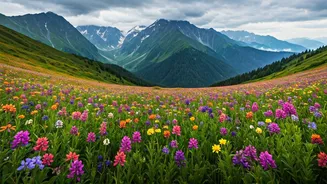
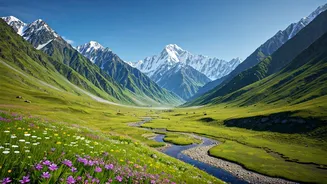
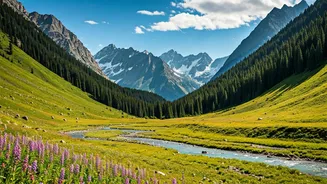
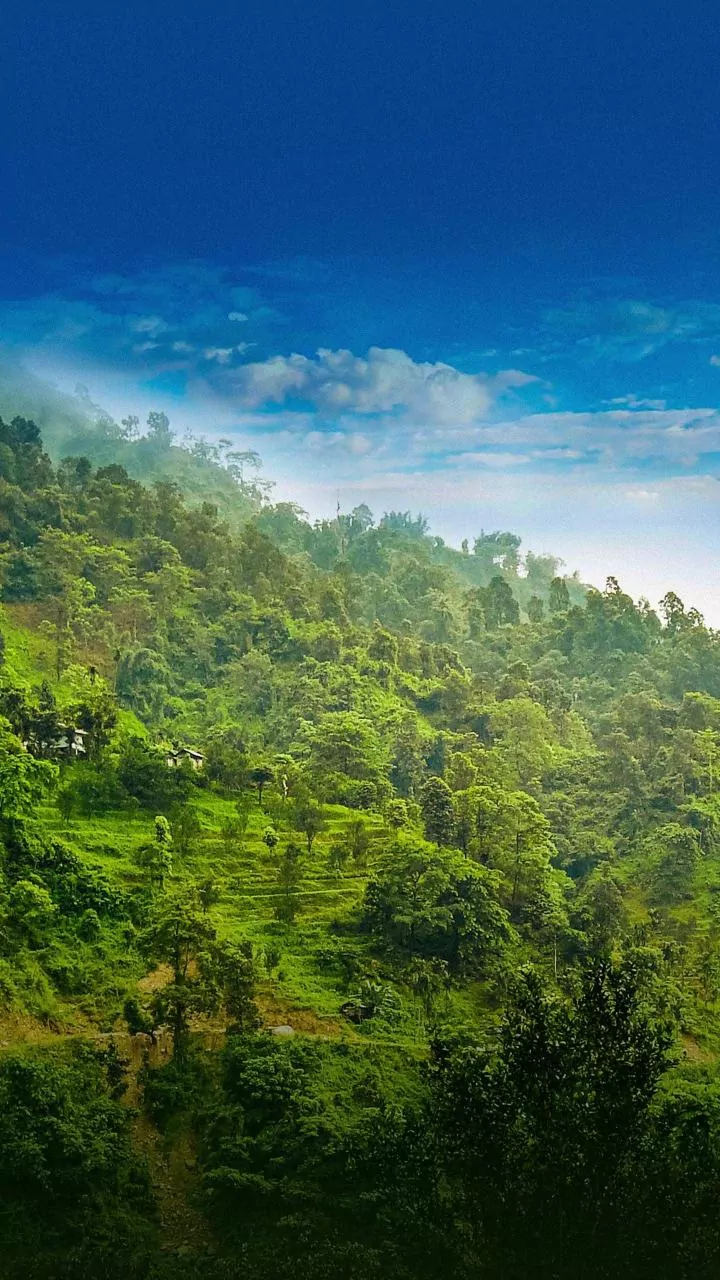
Timing is everything in the Himalayas, and the headline’s claim for June is no exaggeration. This month sits in a sweet spot. The harsh winter has fully receded, and the heavy, view-obscuring monsoon rains have yet to arrive in full force. The result is a landscape bursting with life. The valleys are a lush, vibrant green, and the air is crisp and clear, offering high-definition views of the peaks. Temperatures are comfortable—pleasant and sunny during the day, cool and cozy at night. While other regions might be sweltering in pre-monsoon heat, Munsiyari offers a refreshing escape. It's the ideal climate for long walks, day hikes, and simply sitting outdoors to soak in the serene atmosphere before the clouds of July and August roll in.
Trekking for Every Ambition
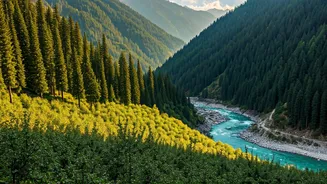
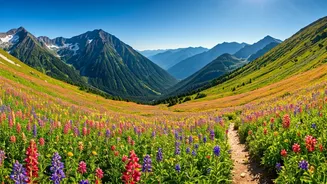
Munsiyari isn't just for passive observers; it's a legendary base for some of the region's best trekking. This is what makes it a 'complete' plan—it caters to both casual walkers and hardcore adventurers. For a manageable and highly rewarding day out, the trek to Khaliya Top is unbeatable. This 4-mile hike takes you through dense forests of oak and rhododendron to a high-altitude meadow offering a breathtaking 360-degree panorama of the Panchachuli, Nanda Devi, and Rajrambha peaks. For the more ambitious, Munsiyari is the starting point for iconic, multi-day expeditions like the Milam Glacier and Nanda Devi Base Camp treks. These are serious undertakings that follow ancient trade routes, but their starting point in this accessible town makes planning far easier.
A Gateway to Ancient Culture
The town's full name, Munsiyari, translates to a 'place with snow.' But its cultural identity is rooted in its history as the gateway to the Johar Valley, home to the Bhotia people. For centuries, this was a bustling hub on the trade route to Tibet. While the trade has ceased, the cultural legacy remains. You can explore the unique architecture of the villages, learn about the local Johari and Shauka communities, and see their intricate crafts. Visiting the Tribal Heritage Museum provides a fascinating glimpse into the art, history, and hardy lifestyle of the people who have thrived in this challenging environment for generations. This layer of cultural depth elevates a trip to Munsiyari from a simple mountain vacation to a truly immersive experience.
The Journey Itself Is Part of the Charm
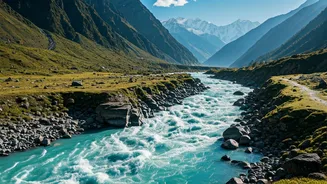
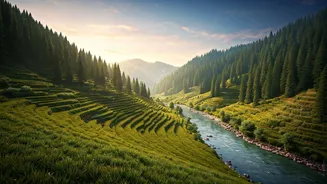
Let’s be clear: Munsiyari is remote. Reaching it involves a long, winding, and incredibly scenic drive from the nearest railheads and airports in the plains of Uttarakhand. But this perceived difficulty is actually its greatest asset. The journey acts as a natural filter, discouraging the casual tourist crowds that can overrun more accessible destinations. The road trip through the Kumaon hills is an adventure in itself, taking you past roaring rivers, terraced fields, and charming villages like Almora, Binsar, and Chaukori. By the time you arrive in Munsiyari, you feel like you’ve earned it. This sense of remoteness is what preserves its tranquility and ensures that you share its incredible beauty with only a handful of other dedicated travelers.