





Beyond the High-Energy Hallyu Wave
For years, the Korean Wave, or Hallyu, has drawn tourists to the sites of their favorite K-dramas and the high-energy concerts of K-pop idols. While that vibrant pulse is still a massive draw, a quieter, more introspective travel style is gaining traction.
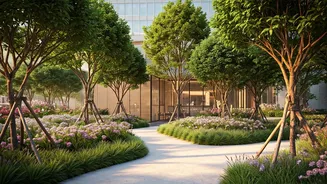
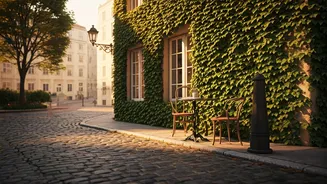
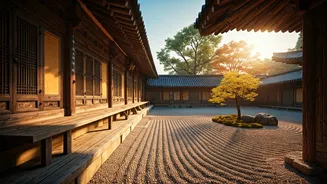
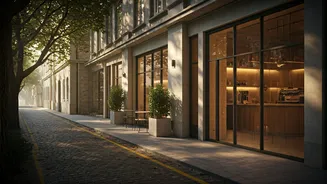
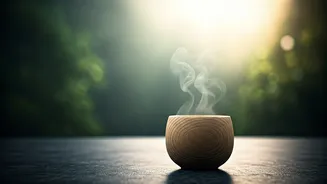
It’s a shift from the sprawling Gyeongbok Palace to a minimalist cafe in a quiet alleyway; from the bustling Myeongdong shopping district to a thoughtfully designed bookstore in a residential neighborhood. This emerging trend values atmosphere over attractions and moments over monuments. It’s less about checking off a bucket list and more about inhabiting a certain mood—one of intentional calm and aesthetic appreciation.
The Art of the Aesthetic Cafe
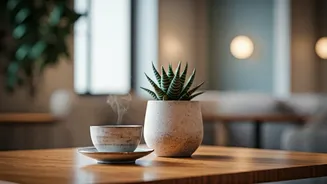
At the heart of this movement is South Korea’s unparalleled cafe culture. In cities like Seoul and Busan, cafes are not just places to grab a coffee; they are destinations in themselves. Each one is a meticulously crafted world. One might be a repurposed industrial warehouse with exposed brick and soft jazz, another a serene, wabi-sabi space with natural wood and a single, perfect flower arrangement. For travelers, the activity is not just getting caffeinated—it’s the ritual of “cafe hopping.” This involves spending an afternoon moving between these temples of tranquility, ordering a signature drink like an Einspänner (a Viennese coffee with whipped cream) or a strawberry-ade, and simply soaking in the environment. The focus on visual harmony makes these spaces incredibly photogenic, which is precisely why they are dominating travel feeds. The perfect shot isn't of you in front of a monument; it's of your hand holding a latte against a backdrop of clean lines and soft light.
Finding Beauty in Everyday Moments
This “calm city mood” extends far beyond the cafe door. It’s about discovering the charm in Seoul’s less-trodden neighborhoods. Instead of staying glued to the main tourist drags, travelers are exploring places like Yeonnam-dong, with its maze of leafy alleys, independent boutiques, and tiny, artist-run galleries. They’re taking slow walks along the Han River, renting a bike, and having a simple picnic. They’re visiting places like the Starfield Library at COEX Mall, not just to read but to sit in awe of its grand, cathedral-like design. This style of travel taps into the Korean concept of *sohwakhaeng*, or “small but certain happiness.” It’s the joy found in a perfectly brewed cup of tea, the discovery of a beautiful piece of stationery, or the quiet contemplation of modern art. It redefines a successful day of travel from “how much did I see?” to “how much did I feel?”
An Antidote to Modern Burnout
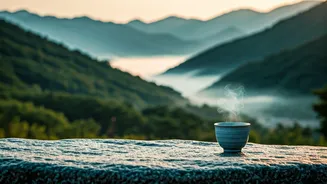
So why is this trend resonating so strongly with Americans and other international visitors right now? In a word: burnout. In a post-pandemic world, many are rethinking not just how they work, but how they rest. The pressure to have a hyper-productive, action-packed vacation can feel like another job. The Korean model of slow, aesthetic-driven travel offers a compelling alternative. It grants permission to do less and appreciate more. It’s a form of “healing travel” that feels restorative rather than exhausting. This approach aligns perfectly with a broader cultural shift towards mindfulness and intentional living. It suggests that the most luxurious part of a vacation isn’t the five-star hotel, but the uninterrupted hour you spend in a beautiful room, with a good book and a great cup of coffee, feeling completely at peace.