

The Ancient Grain's Modern Moment
For thousands of years, millets were a cornerstone of the Indian diet—hardy, nutritious grains that sustained civilizations. But with the agricultural shifts of the 20th century, they were largely overshadowed by rice and wheat, relegated to the status
of rural or “poor person’s” food. Now, the tables have turned dramatically. A perfect storm of factors has brought millets roaring back. The global gluten-free movement created a demand for alternative grains, and millets fit the bill perfectly. Growing concerns about climate change have highlighted their resilience; these crops are drought-resistant and require fewer resources than rice or wheat. This culminated in the United Nations declaring 2023 the “International Year of Millets,” cementing their status as a grain for the future, not just the past.
So, What Exactly Are Millets?
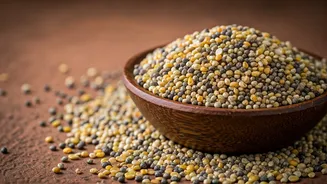
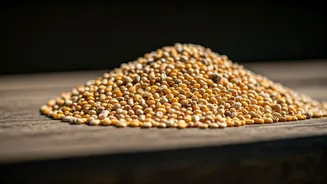
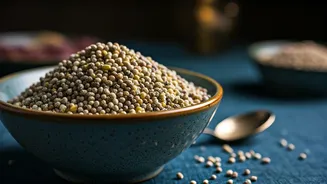
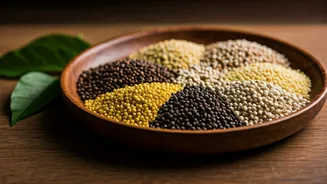
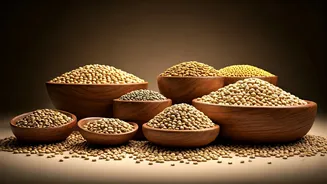
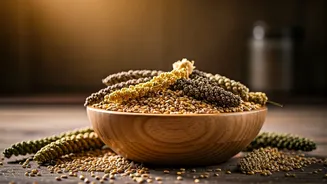
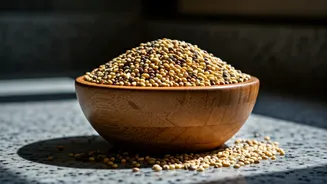
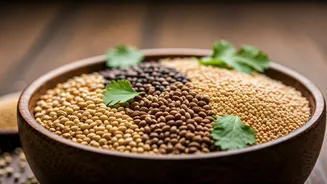
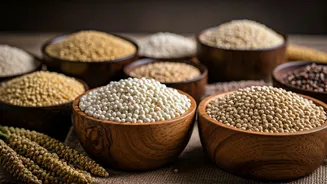
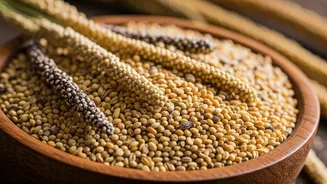
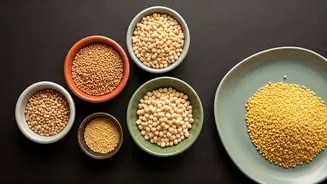
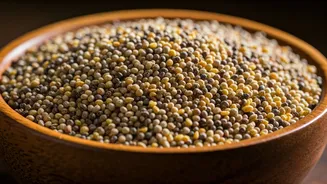
One of the most common misconceptions is thinking of “millet” as a single grain. It’s actually a group of small-seeded grasses. Think of it as a family of cousins, each with its own personality. In the context of Indian cuisine, you’ll most often encounter a few key players. Sorghum (jowar) has a mild, earthy flavor and is often ground into flour for flatbreads. Pearl millet (bajra) is bolder, with a slightly nutty taste, popular in the rustic cuisines of Rajasthan and Gujarat. Finger millet (ragi) is a nutritional powerhouse, deep reddish-brown in color, and famous for making everything from savory pancakes (dosa) to a sweet, healthy porridge for babies. Others like foxtail millet and barnyard millet are also gaining traction as versatile substitutes for rice.
The Nutritional Powerhouse
The “health-friendly” part of the millet boom isn't just marketing hype. These grains are packed with benefits. First and foremost, they are naturally gluten-free, making them a safe and nutritious option for those with celiac disease or gluten sensitivity. They are exceptionally high in dietary fiber, which aids digestion, promotes a feeling of fullness, and helps manage weight. Unlike refined grains, millets have a low glycemic index, meaning they release sugar into the bloodstream more slowly, preventing energy spikes and crashes. This makes them an excellent choice for managing blood sugar levels. Furthermore, they are rich in essential minerals like magnesium, iron, and phosphorus, and are a good source of plant-based protein and antioxidants.
From Humble Porridge to Gourmet Plates
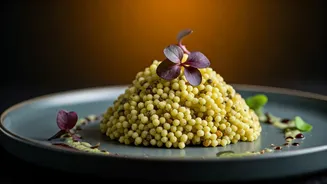
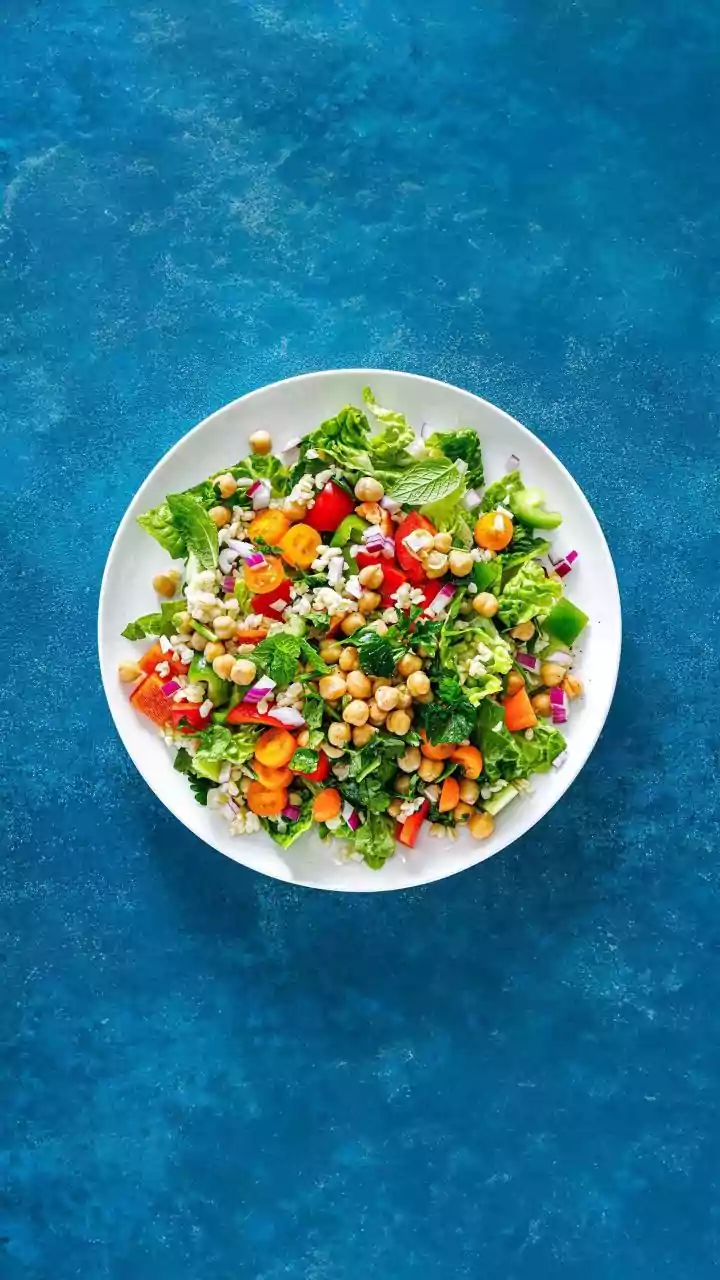
The real magic of the millet renaissance is in the kitchen. Chefs and home cooks are reimagining these grains far beyond their traditional roles. While classic millet rotis (flatbreads) and simple porridges (khichdi) remain beloved comfort foods, the new wave of Indian cooking is far more inventive. You’ll find fluffy foxtail millet upma (a savory breakfast dish), quinoa-like salads made with sorghum, and crispy dosa and idli (fermented pancakes and steamed cakes) made from millet batters. They are being used as a base for colorful pilafs, a crunchy topping for yogurt bowls, and even milled into flour for gluten-free cakes and cookies. This versatility is key to their staying power; they don’t just replace other grains, they offer a new world of textures and subtle flavors.
Your Gateway to Millet Eating
Feeling the millet fever yourself? Getting started is easy. The simplest entry point is to use them as a direct substitute. Try cooking foxtail or barnyard millet just like you would rice and serve it alongside your favorite curry. Look for pre-made millet dosa batter at your local Indian grocery store for a quick and healthy meal. When dining out at modern Indian restaurants, keep an eye out for dishes specifically calling out jowar, bajra, or ragi. You can also find puffed millets in the snack aisle, offering a healthier crunch than potato chips. By starting with these simple swaps and familiar formats, you can easily explore the world of millets without feeling intimidated.