





The Old Himalayan Playbook
For years, the script for a trip to Himachal Pradesh was well-defined. This mountainous state in northern India, often called India's adventure playground, was a place of high-octane experiences. The 'flex' was loud. It was a picture of you and your friends
at a thumping riverside party in Kasol, a triumphant (and probably breathless) selfie from a high-altitude pass like Rohtang, or a video panning across the crowded, colonial-era Mall Road in Shimla. Success was measured in conquered treks, ticked-off viewpoints, and the number of prayer flags in your Instagram story. It was about consumption—of views, of adventure, of a certain manic energy. For many, the goal wasn't just to see the Himalayas, but to be seen conquering them, even if that conquest was just a well-angled photo at a tourist hotspot.
Enter the Quiet Revolution
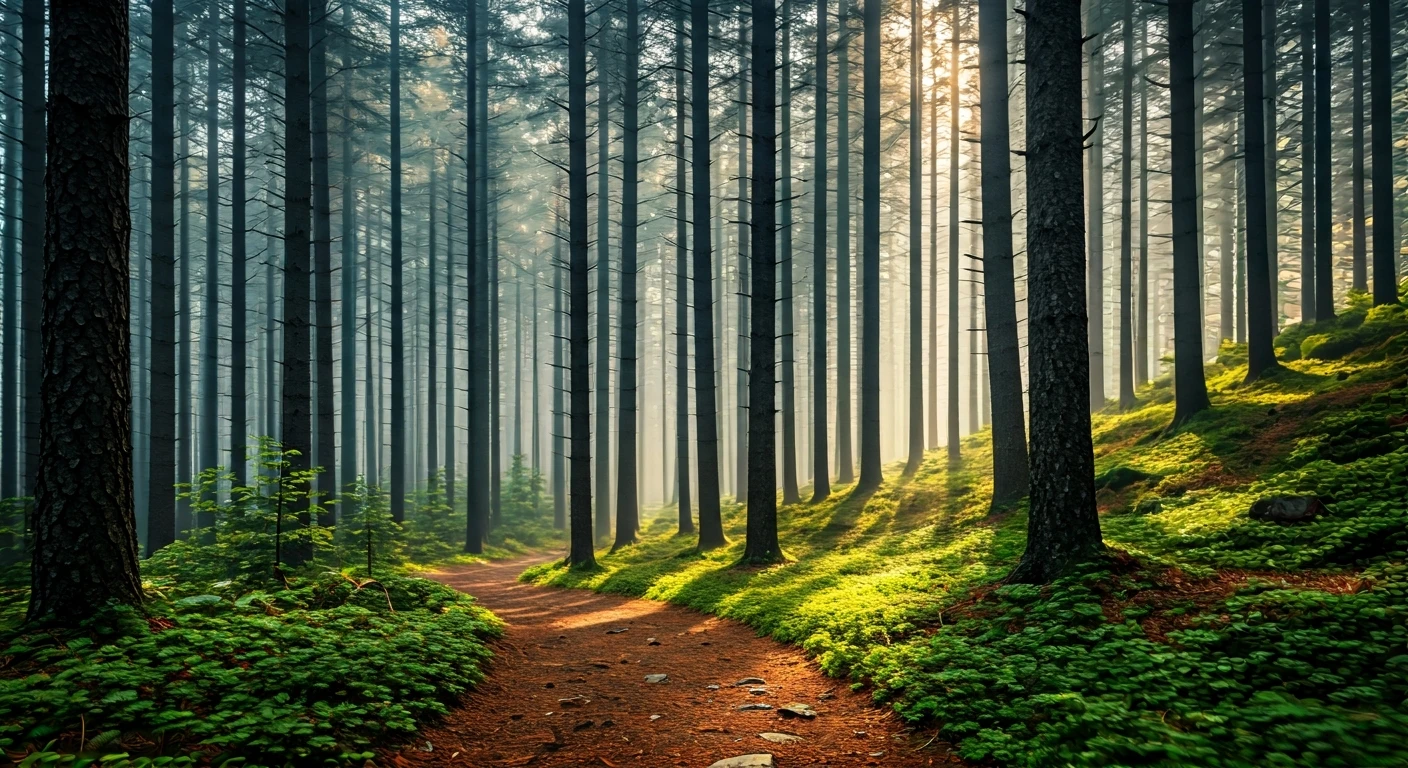
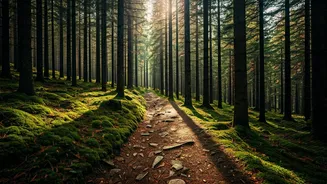
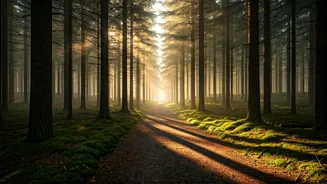
Lately, however, a new kind of travel currency has emerged, and it's rooted in radical simplicity. The new Himachal flex is a walk. Specifically, a long, meandering walk through a dense forest of pine and deodar cedar. It’s an experience defined not by what you do, but by what you don't. There are no lines, no entry tickets, no booming speakers. The only sounds are the crunch of pine needles underfoot, the whisper of the wind through the canopy, and the distant call of a Himalayan bird. This isn't a grueling trek to a summit; the walk itself is the destination. The new status symbol is a photo of dappled sunlight filtering through ancient trees, a video of nothing but tall trunks and sky, or maybe no photo at all—just the quiet satisfaction of having been there. It’s a deliberate choice to trade the chaotic for the calm, the performative for the personal.
More Than Just a Walk
So, why the shift? In part, it’s a global post-pandemic recalibration. Travelers everywhere are seeking out nature, space, and a slower pace. But it also plugs directly into the wellness concept of 'forest bathing,' or Shinrin-yoku, the Japanese practice of immersive, mindful time spent among trees. While the term may be Japanese, the principle is universal and deeply felt in the Himalayas. A walk through a Himachali pine forest is a full-sensory experience. It’s the sharp, clean scent of pine resin, the cool, crisp air, the spongy feel of the forest floor, and the visual peace of a thousand green spires pointing toward the sky. This isn't just exercise; it's a form of natural therapy. In a world of digital noise and over-tourism, choosing an hour of uninterrupted silence in nature has become the ultimate luxury—a flex not of wealth or daring, but of taste and self-awareness.
Finding the Forest for the Trees
This trend isn't about one specific, secret trail. Its beauty is that these forests are everywhere in Himachal, hiding in plain sight. They are the quiet woods just beyond the main town in Kasauli, the sprawling groves that surround Shimla's official residences, and the ancient deodar forests on the outskirts of Manali and Jibhi, if you know where to look. Travelers are now intentionally seeking out homestays and boutique hotels that are prized not for their proximity to a main market, but for the private trails that begin right at their doorstep. The goal is no longer to be in the center of the action, but to be on the edge of the wilderness. It represents a maturation of the traveler's mindset, valuing a deep, personal connection to a place over a superficial tour of its highlights.