




Beyond the Generic 'Mango Flavor'
For years, the American palate knew “mango” as a monolithic concept—a sweet, vaguely tropical flavor concentrate added to smoothies and scented candles. It was pleasant but generic, detached from its source. What’s happening now is different. The current
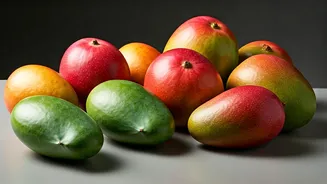
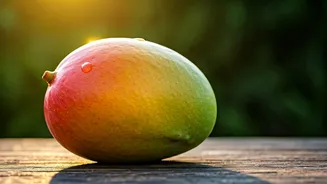
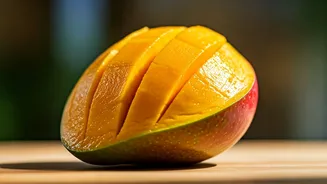
wave is about specificity and terroir. We’re not just talking about mangoes; we’re talking about the buttery, saffron-hued Alphonso from India, hailed as the “king of mangoes.” We’re talking about the honey-sweet, fiberless Ataulfo from Mexico, or the fragrant, floral Nam Dok Mai from Thailand. These aren’t just fruits; they are agricultural heirlooms, each with a distinct personality, history, and a fiercely loyal following. This shift from a generic flavor to a celebrated product is the first sign that something more profound is taking place. Consumers are finally learning what many cultures have known for centuries: not all mangoes are created equal.
A Taste of Home and Heritage
At the heart of this movement is “mango pride.” For millions in the South Asian, Southeast Asian, Caribbean, and Latin American diasporas, the mango is far more than a snack. It’s a powerful conduit to memory and place. It’s the taste of a grandparent’s garden, the smell of a bustling market back home, the centerpiece of a summer holiday. A box of perfectly ripe mangoes, shared among family, is an annual ritual steeped in nostalgia and connection. This emotional weight is what transforms the fruit from a commodity into a symbol. Wielding mango pride is a way for individuals and communities to share a piece of their heritage on their own terms. It’s a declaration that the flavors they grew up cherishing are not just “ethnic” novelties but are worthy of global acclaim and appreciation. In a world that often asks immigrants to assimilate, celebrating the mango is a delicious act of cultural self-assertion.
From Kitchens to Commerce
This pride is fueling a new wave of entrepreneurship. Chefs in Michelin-starred restaurants are now showcasing specific mango varieties on their dessert menus, treating them with the same reverence as a rare truffle. Diaspora-owned businesses are finding huge success with mango-centric products that honor tradition while innovating for a modern audience—think Alphonso mango soft-serve, Kesar mango cheesecakes, or small-batch mango-habanero hot sauces. Social media is amplifying the trend, with influencers unboxing crates of imported mangoes like they’re the latest sneaker drop. These videos and posts create a sense of shared excitement and community, educating a wider audience on the nuances of different varieties. The fruit is becoming a status symbol, a marker of being in-the-know. It’s a grassroots movement, bubbling up from home kitchens and community groups into the mainstream consciousness, driven by people who are, for the first time, seeing their culture’s most beloved fruit get its due.
The New Language of Luxury Fruit
The “global” part of the mango’s journey is also about economics. The demand for premium, air-freighted mangoes has created a new category of luxury fruit. People are willing to pay top dollar—sometimes upwards of $60 or $70 for a single box—to get their hands on authentic, high-quality varieties during their short season. This isn’t just about taste; it’s about participating in a cultural event. Buying a box of Indian Alphonsos or Pakistani Chaunsas in June is like securing a sought-after concert ticket. This reframes the value proposition entirely. The mango is shedding its image as a simple grocery item and is being elevated to the level of fine wine or artisanal cheese—a product whose origin, variety, and seasonality are paramount. This high-end market validates the fruit's cultural importance and provides a direct economic link back to the growers and regions that have cultivated these prized varieties for generations.