
1. Start with a Soak
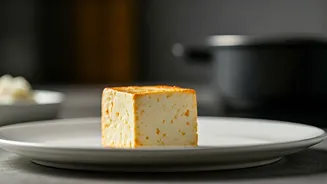
Store-bought paneer can sometimes be a bit firm or rubbery, a far cry from the soft, succulent texture you get in great restaurant dishes. The fix is remarkably simple: give it a bath. Before you do anything else, cut your paneer into cubes or slabs and
soak them in hot, salted water for about 15 to 20 minutes. This one step works magic, rehydrating the cheese and transforming its texture from squeaky and dense to soft and absorbent. It also seasons the paneer from the inside out, addressing the common complaint that it can be bland. After soaking, gently pat the pieces dry with a paper towel before proceeding with your recipe. You’ll be shocked at the difference this small effort makes.
2. Don’t Skip the Marinade
Paneer is a fresh, unsalted cheese, which means it’s a blank canvas for flavor. Treating it like one is the key to success. On its own, it tastes mildly milky, but it has a phenomenal ability to absorb the flavors you introduce. A good marinade is non-negotiable. You don’t need hours; even 30 minutes can make a world of difference. A classic combination includes thick yogurt (like Greek yogurt), ginger-garlic paste, turmeric, chili powder, and garam masala. The yogurt tenderizes the cheese while the spices infuse it with deep, complex flavor. If you’re short on time, a simple toss with olive oil, lemon juice, dried herbs, and garlic powder works beautifully for non-Indian preparations.
3. Master the High-Heat Sear
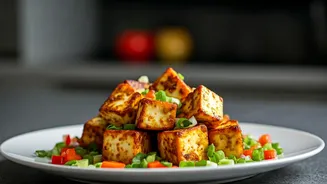
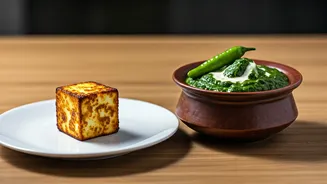
The single best way to cook marinated paneer cubes is with a quick, high-heat sear. This technique creates a delicious textural contrast: a crispy, golden-brown crust on the outside and a soft, creamy interior. Use a cast-iron skillet or a good non-stick pan over medium-high heat. Add a neutral oil with a high smoke point, like avocado or grapeseed oil. Don’t overcrowd the pan, as this will steam the paneer instead of searing it. Place the cubes in a single layer and let them cook for a minute or two without moving them. Once a deep golden crust forms, flip and sear the other sides. This method is perfect for adding paneer to salads, wraps, or grain bowls.
4. Stop Adding It to Curries Too Early
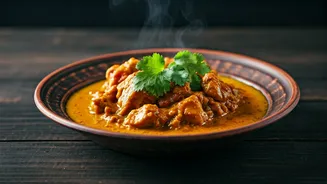
A common mistake when making classic dishes like palak paneer (spinach) or paneer butter masala is adding the cheese to the simmering sauce too early. Unlike meat, paneer doesn’t need to be braised for a long time to become tender. In fact, boiling it for an extended period can have the opposite effect, causing it to become tough and rubbery. For the best results, pan-fry your paneer cubes separately (using the searing method above) and add them to the sauce during the last 5 minutes of cooking. This is just enough time for the cheese to warm through and absorb some of the sauce's flavor without compromising its delicate texture.
5. Think Beyond the Cube
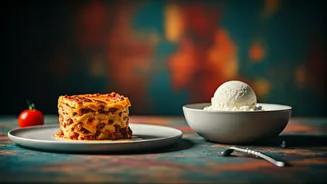
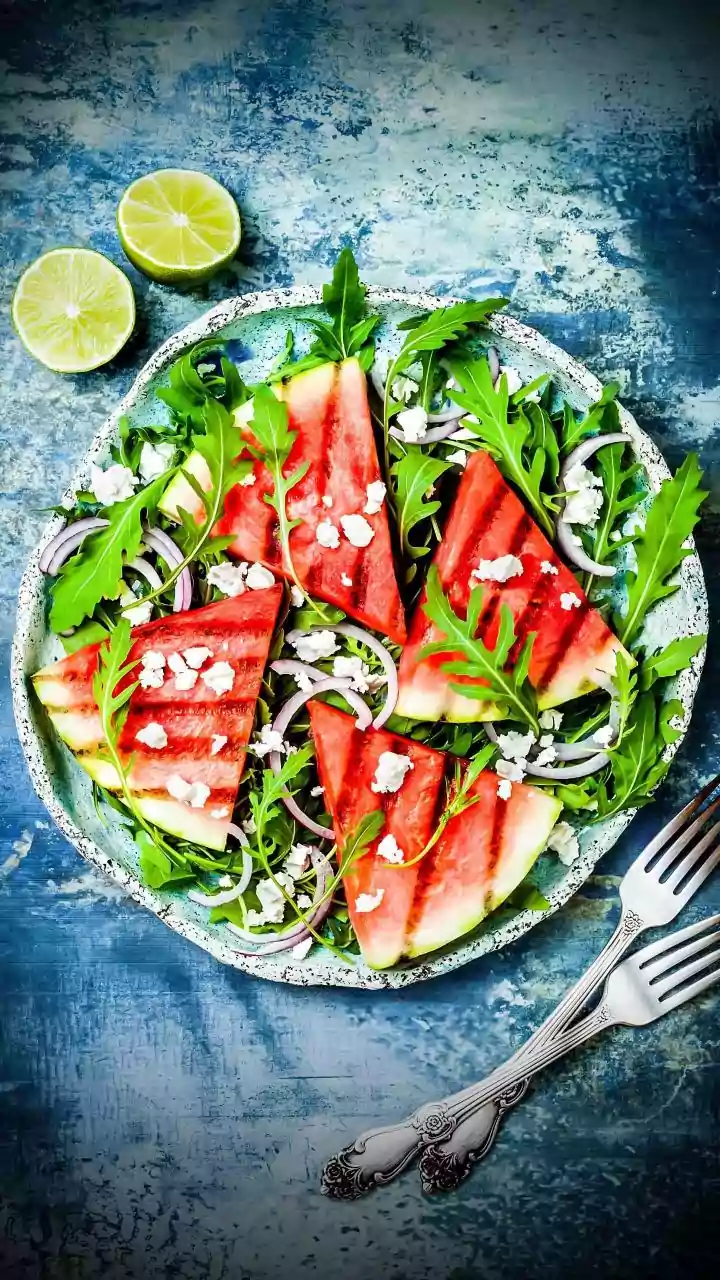
While cubed paneer is the standard, this versatile cheese can be used in many other forms. Try crumbling it to use as a filling for stuffed flatbreads (parathas) or as a high-protein substitute for ricotta in lasagna or stuffed shells. You can also grate it directly into savory pancake batters or scrambled eggs for a creamy boost. Slicing it into thick planks makes it perfect for grilling—it holds its shape beautifully and develops fantastic grill marks. Don’t be afraid to experiment. Treating paneer less like a block of cheese and more like a firm, vegetarian protein like tofu opens up a world of culinary possibilities.
6. Know When to Press It
While store-bought paneer is usually firm enough for most uses, some brands can be watery. If you find your paneer is shedding a lot of liquid and failing to get crispy, you may need to press it. This is especially true if you’re planning to deep-fry it or want an extra-firm texture for kebabs. To press paneer, simply wrap the block in a few layers of paper towels or a clean kitchen towel. Place it on a plate, and put something heavy on top—a cast-iron skillet, a few cans, or a stack of cookbooks all work well. Let it press for about 30 minutes to an hour to remove excess moisture. This ensures a firmer starting point for a better, crispier finish.