



Goodbye Gritty, Hello Gourmet
For decades, the wellness industry operated on a simple, unspoken agreement: if it’s good for you, it probably tastes bad. Think of the chalky vitamins, the earthy protein powders, or the pungent herbal tinctures that defined a previous generation’s health
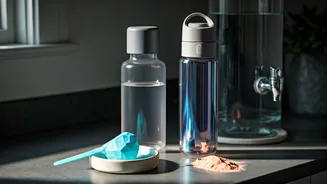
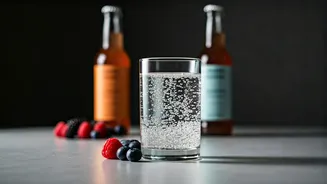
regimen. The benefit was the point; the experience was something to be endured. Gen Z has torn up that contract. They’ve grown up in a foodie culture where complex, global flavors are accessible and celebrated. They see no reason why that celebration of taste shouldn’t extend to the products they use to support their well-being. This isn't just about adding a generic “fruit punch” flavor. It's a demand for sophistication. We're talking about prebiotic sodas with flavors like Strawberry Vanilla and Ginger Lime, electrolyte powders infused with yuzu and pineapple, and mushroom coffees that promise focus without the bitter aftertaste. The new baseline isn't just “not bad,” it’s “actively craveable.” For this cohort, if a wellness product isn't enjoyable, it’s a design flaw.
The TikTok-ification of Health
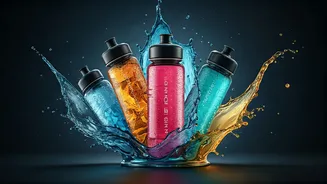
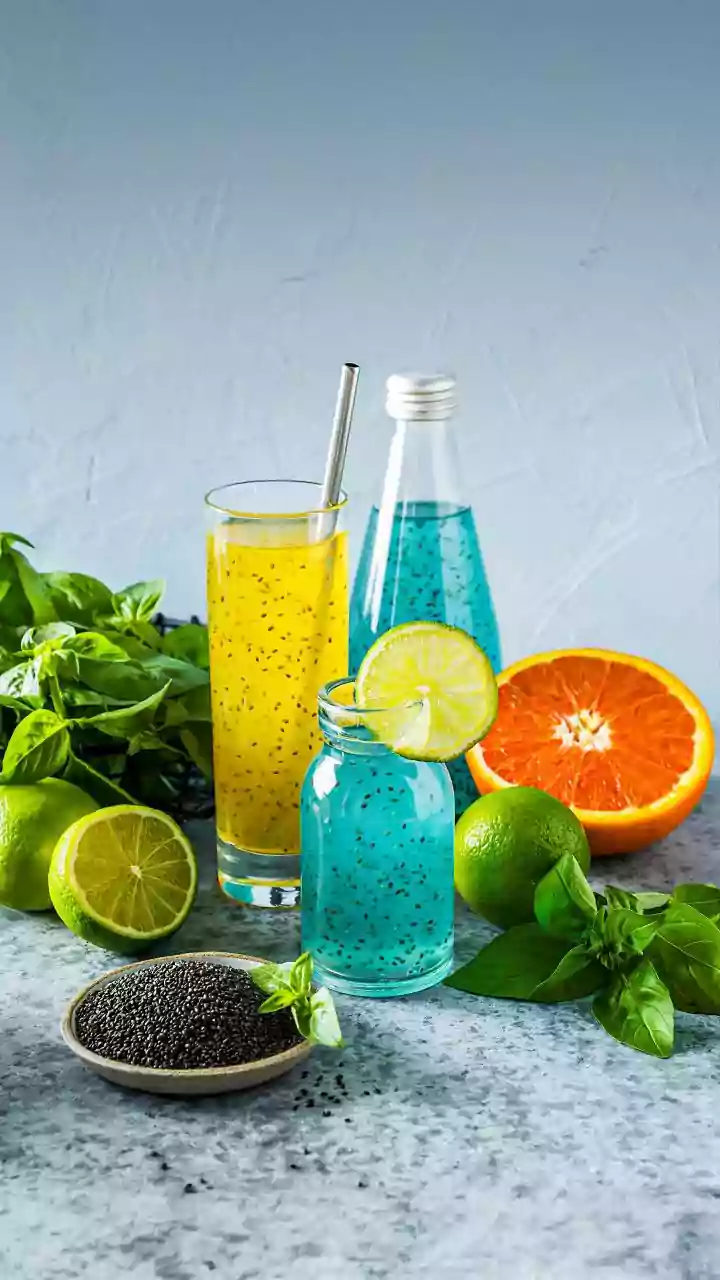
You can’t understand Gen Z’s flavor-forward wellness demands without looking at the primary lens through which they view the world: social media. Platforms like TikTok and Instagram are visual, experiential, and built around shareable moments. A bland, medicinal-looking supplement doesn't make for a compelling video. But a beautifully packaged, vibrant, fizzy drink? That’s content. The “that girl” aesthetic, a viral wellness trend centered on romanticizing daily routines, involves visually pleasing rituals: sipping a colorful beverage in a nice glass, mixing a fancy powder into oatmeal, or showcasing a shelf of beautifully designed products. This performative aspect of modern wellness means products must be photogenic and the experience must be worth sharing. Brands that understand this are winning. They’re investing in packaging that looks good on a countertop and creating flavors that elicit a genuine, positive reaction on camera. In essence, the product has become part of the lifestyle content, and a bitter pill is simply bad for the brand.
Wellness as a Vibe, Not a Chore
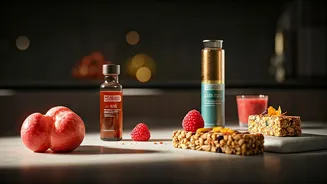
Previous generations often approached health with a fix-it mentality. They took supplements to solve a problem—low energy, poor digestion, weak joints. Health was a separate, often burdensome, part of life. For many in Gen Z, wellness is more holistic and integrated. It’s less about correcting deficits and more about maintaining a baseline of feeling good. It’s a “vibe.” This means wellness products are becoming seamless additions to their daily lifestyle, sitting alongside their morning coffee or afternoon snack. And if something is part of your daily routine, it has to be enjoyable. This shift explains the explosion of “functional” foods and beverages—products that offer health benefits (like probiotics, adaptogens, or vitamins) within a format that’s already familiar and pleasurable, like a soda, a seltzer, or a gummy. It reframes health from a chore you have to complete into a small moment of self-care you get to enjoy. Why force down a capsule when you could have a delicious drink that does the same thing?
How the Market is Scrambling to Adapt
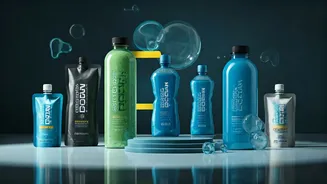
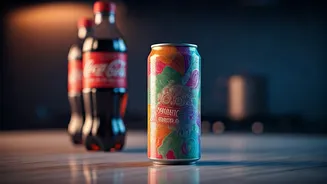
The market impact of this generational shift is undeniable. Legacy supplement brands are furiously reformulating, launching new flavor-packed gummy and powder lines to compete with digital-native upstarts. The beverage aisle has been completely transformed, with functional soda brands like Poppi and Olipop becoming billion-dollar players by putting gut health in a can that tastes like a craft soda. Hydration has moved beyond Gatorade, with brands like Liquid I.V. and Prime Hydration offering an ever-expanding universe of sophisticated flavor combinations that feel more like cocktail mixers than post-workout recovery. The key for these successful brands isn’t just flavor, but specificity and novelty. They’re using ingredients like blood orange, elderflower, and spicy mango to create a sense of discovery and premium quality. They are, in effect, treating the wellness category with the same culinary respect once reserved for craft beer or artisanal coffee. For any company in the CPG space, the message is clear: if your product is aimed at a younger demographic and it doesn't taste amazing, you’re already behind.