





The Vertical World of the Cat
To understand this trend, you have to think like a cat. For felines, territory isn't just about floor space; it's about elevation. In the wild, high perches offer a strategic advantage—a safe place to survey their surroundings, spot prey (or the mail
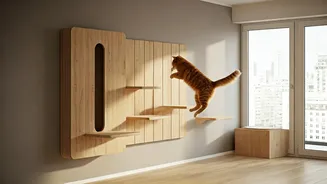
carrier), and escape from perceived threats (like the vacuum cleaner or an overly affectionate toddler). Cat behaviorists like Jackson Galaxy have long preached the gospel of "catification," the process of modifying a human home to meet a cat's instinctual needs. Without access to vertical space, indoor cats can experience stress, boredom, and anxiety, which often manifests as unwanted behaviors. These elaborate path systems aren't just indulgent; they are a direct and brilliant solution to a fundamental feline need, providing security and enrichment in a world that can feel unnervingly flat.
From Simple Shelves to Superhighways
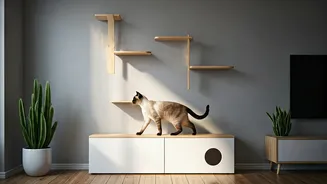
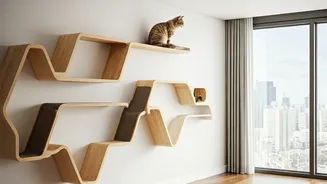
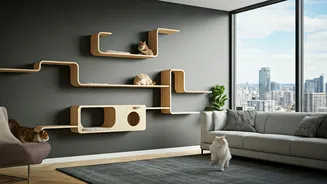
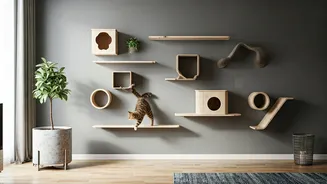
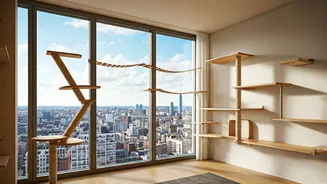
What begins as a single floating shelf above a sofa can quickly evolve into something far more ambitious. The most dedicated creators are building what can only be described as feline superhighways: interconnected systems of ramps, shelves, bridges, and tunnels that circumnavigate entire rooms, often just inches below the ceiling. These paths allow a cat to travel from the living room to the kitchen without ever touching the floor. Designers use a variety of materials, from carpet-covered wood for grip and scratching to sleek, minimalist acrylics that blend seamlessly with modern decor. Some constructions include cozy hammocks for napping, built-in scratching posts, and transparent pods that let a curious cat peer down at the world below. It's a bespoke form of architecture driven entirely by the whims and comforts of a four-legged client.
The Rise of the 'Catio'
For apartment dwellers, the dream of giving a cat safe access to the sights, sounds, and smells of the outdoors seems impossible. The solution? The "catio," or cat patio. These are fully enclosed structures, typically made with wood and wire mesh, that attach to a window or balcony. A simple version might be a small, secure box just big enough for a cat to lounge in the sun. But in the spirit of "epic" design, some high-rise catios are multi-level marvels, complete with ramps, sunning platforms, and even patches of cat-safe grass. They provide vital stimulation without the risks of urban life—traffic, predators, or getting lost. In a high-rise building, a well-designed catio becomes a cat’s personal skybox, a front-row seat to the bustling world outside.
Design Meets Devotion
Behind every elaborate cat path is a human who has spent countless hours planning, designing, and building. These projects are labors of love, blending skills in carpentry, interior design, and animal behavior. Online communities and forums are filled with proud owners sharing blueprints, progress photos, and tips. What's striking is how these structures are becoming integrated into home aesthetics. Rather than hiding a clunky cat tree in a corner, these owners make the cat's space a central, celebrated feature of their home. It's a visible declaration that the animal's well-being is a top priority, transforming pet ownership into a creative partnership. The paths are not an intrusion on the design; they *are* the design.
Thinking Like a Feline Architect
For those inspired to create their own vertical world, the key is to prioritize safety and cat logic. A good system needs multiple entry and exit points so a cat never feels trapped. Surfaces should be sturdy and provide good grip—untreated, slick wood is a recipe for a fall. Spacing is also crucial; the distance between platforms should be manageable for your cat's age and agility. Consider sightlines: place perches near windows or in spots that overlook household activity. Most importantly, start small. A few well-placed, secure shelves can make a world of difference. Observing how your cat uses them will provide all the data you need to plan your next expansion.