


Beyond the Brown Pellets
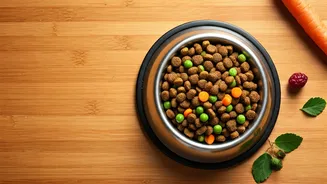
For decades, feeding a dog or cat was simple: find a brand they’d eat and stick with it. Now, a new wave of pet food companies is disrupting that model, arguing that a one-size-fits-all approach to nutrition is outdated. This trend toward personalization
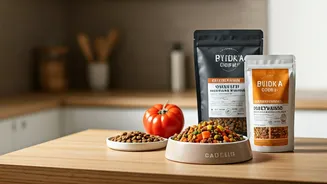
takes several forms. Some companies offer fresh, human-grade food cooked in small batches and delivered to your door in pre-portioned packs, like a meal kit service for your mutt. Others use an online quiz about your pet’s breed, age, weight, activity level, and health issues (like itchy skin or a sensitive stomach) to create a custom-blended kibble. Even raw food diets, once a niche corner of the market, are gaining traction with subscription models that promise pristine ingredients and optimal health. The common thread is a move away from the anonymous, mass-produced pellet and toward a diet that feels as thoughtfully considered as our own.
The 'Fur-Baby' Effect on Your Cart
So, why is this happening now? The short answer is that many Americans no longer see their pets as just animals; they see them as family. This “humanization” of pets means we increasingly project our own values and lifestyle choices onto them. As we’ve become more obsessed with wellness, clean eating, and personalized health, it was only a matter of time before those trends trickled down to the dog bowl. If you’re tracking your macros, avoiding gluten, and drinking oat milk, the idea of feeding your beloved companion a highly processed, shelf-stable brown nugget can start to feel a little off. Direct-to-consumer brands have capitalized on this sentiment perfectly, using slick social media marketing and influencer endorsements to bypass traditional pet stores and speak directly to a generation of pet owners who are already comfortable with subscription boxes and online shopping. They sell not just dog food, but a lifestyle of proactive, loving pet care.
A Menu of Modern Options
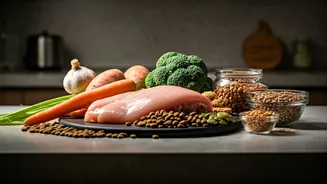
Navigating the new world of pet nutrition can feel overwhelming. The options generally fall into a few key categories. First are the fresh-food subscriptions, which are often the most expensive. These companies position themselves as the healthiest alternative, using whole ingredients like chicken, beef, carrots, and kale, gently cooked to preserve nutrients. Then there are the custom-kibble companies. These services offer the convenience of dry food but with a personalized twist, adjusting protein, fat, and carbohydrate levels based on your pet’s profile. They often use higher-quality ingredients than many mass-market brands and exclude common fillers like corn and soy. Finally, there's the raw food diet movement (often abbreviated as BARF, for Biologically Appropriate Raw Food). Proponents argue that this is the most natural diet for canines and felines, but it remains the most controversial, with many veterinarians raising concerns about bacterial contamination and nutritional imbalances.
What Does Your Vet Think?
Before you swap your pet’s diet, it’s crucial to bring a dose of skepticism to the marketing claims. While veterinarians are enthusiastic about high-quality nutrition, they also urge caution. The primary concern is a lack of rigorous, peer-reviewed scientific research backing the health claims of some newer companies. A slick website is no substitute for science. Vets recommend looking for brands that employ full-time, board-certified veterinary nutritionists and conduct feeding trials to test their formulas. It's also important to ensure the food meets the nutritional standards set by the Association of American Feed Control Officials (AAFCO). While a fresh or custom diet might be an excellent choice for some pets, it may be unnecessary or even inappropriate for others. A conversation with your veterinarian is the best first step. They can help you cut through the hype and assess whether a specialized diet is right for your pet’s specific health needs and your budget.